
Wine DTC packaging: how to protect bottles and improve the delivery experience
When someone orders wine directly from your winery, the relationship does not end at checkout. The parcel that arrives at their door is part of the experience — and the packaging has to do its job before the wine is poured.
A broken bottle creates replacement work and another freight journey. A bottle that shifts inside the carton can make the customer question how carefully the order was packed. And for a premium winery, layers of plastic wrap can feel out of step with the care behind the wine.
That is why wine DTC packaging deserves more than a last-minute choice of carton. The pack needs to protect the bottle through courier handling, suit the order size and feel like it belongs to your brand.
Start with the order you actually ship
Wine DTC orders vary. One customer may order a single bottle as a gift; another may choose two bottles, a mixed selection or a three-bottle release. Different bottle heights, weights and shoulder shapes can affect how they fit in the packaging.
Before choosing a shipping format, list your most common order types and check:
Bottle count and dimensions, including the cap
Filled weight and any differences between bottle styles
Whether bottles are shipped individually, as a mixed selection or in presentation boxes
How each bottle is protected and held within the outer carton
How much time your team spends preparing each format
Damage reports, replacement shipments and customer feedback
These details make it easier to compare packaging options fairly. They also help you avoid buying a format based on a standard bottle assumption that does not match your range.
Why bottle movement matters
A strong outer carton is important, but it is only one part of the pack. If a bottle can move inside the box, the carton and its internal protection are not working together as intended.
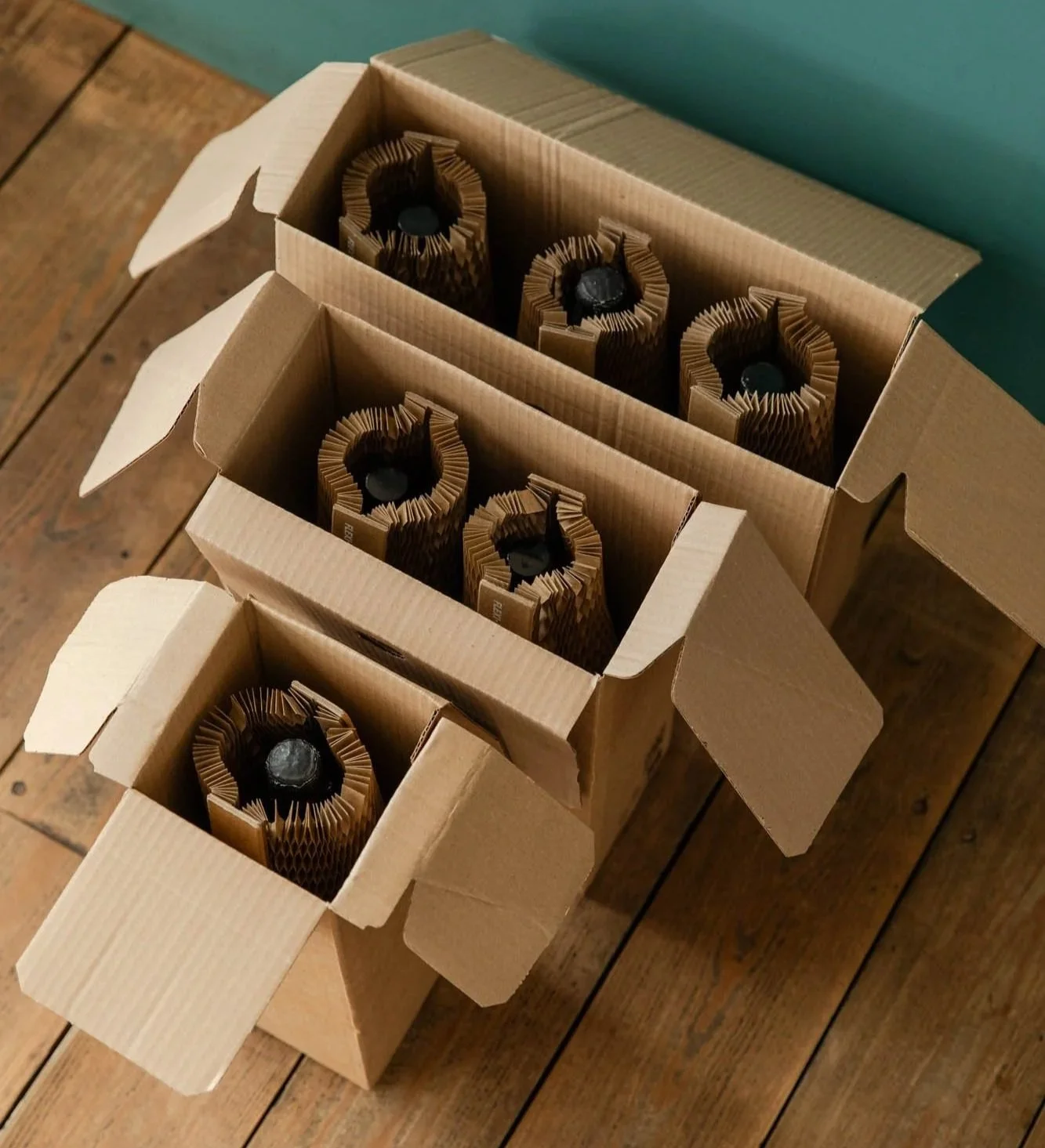
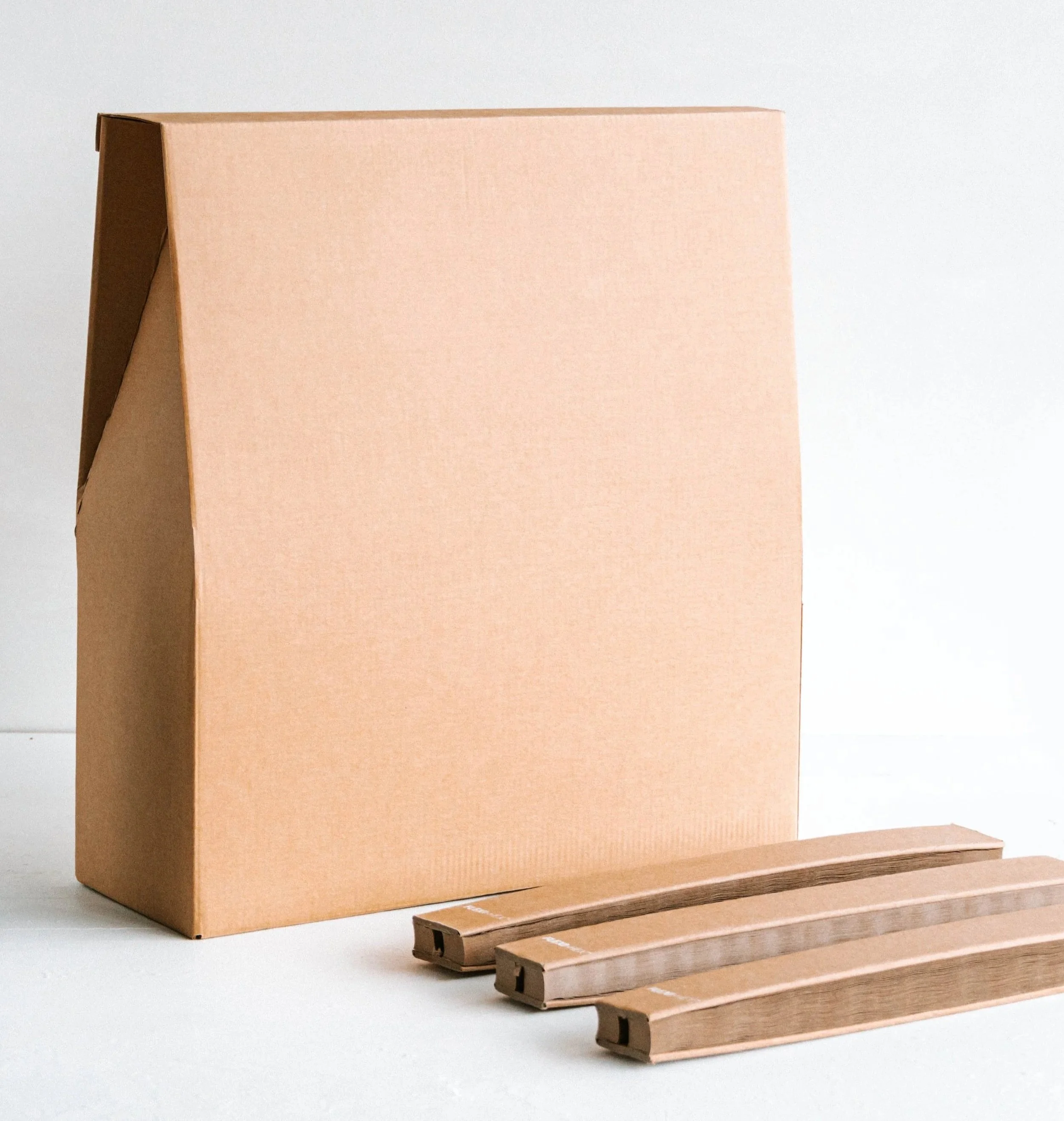
Flexi-Hex pairs an expandable honeycomb paper sleeve around the bottle with a compatible bottle box. The Pinch Top system includes a protective base insert and a self-sealing box; Woodhill describes the pinch at the top as helping limit bottle movement in transit. The range is available in single, double and triple formats for bottles up to 320 mm high.
As with any packaging change, confirm that your bottle fits and trial the complete setup with the actual bottle and normal packing method. A different bottle shape or presentation carton may need a different configuration.
Match the format to the order
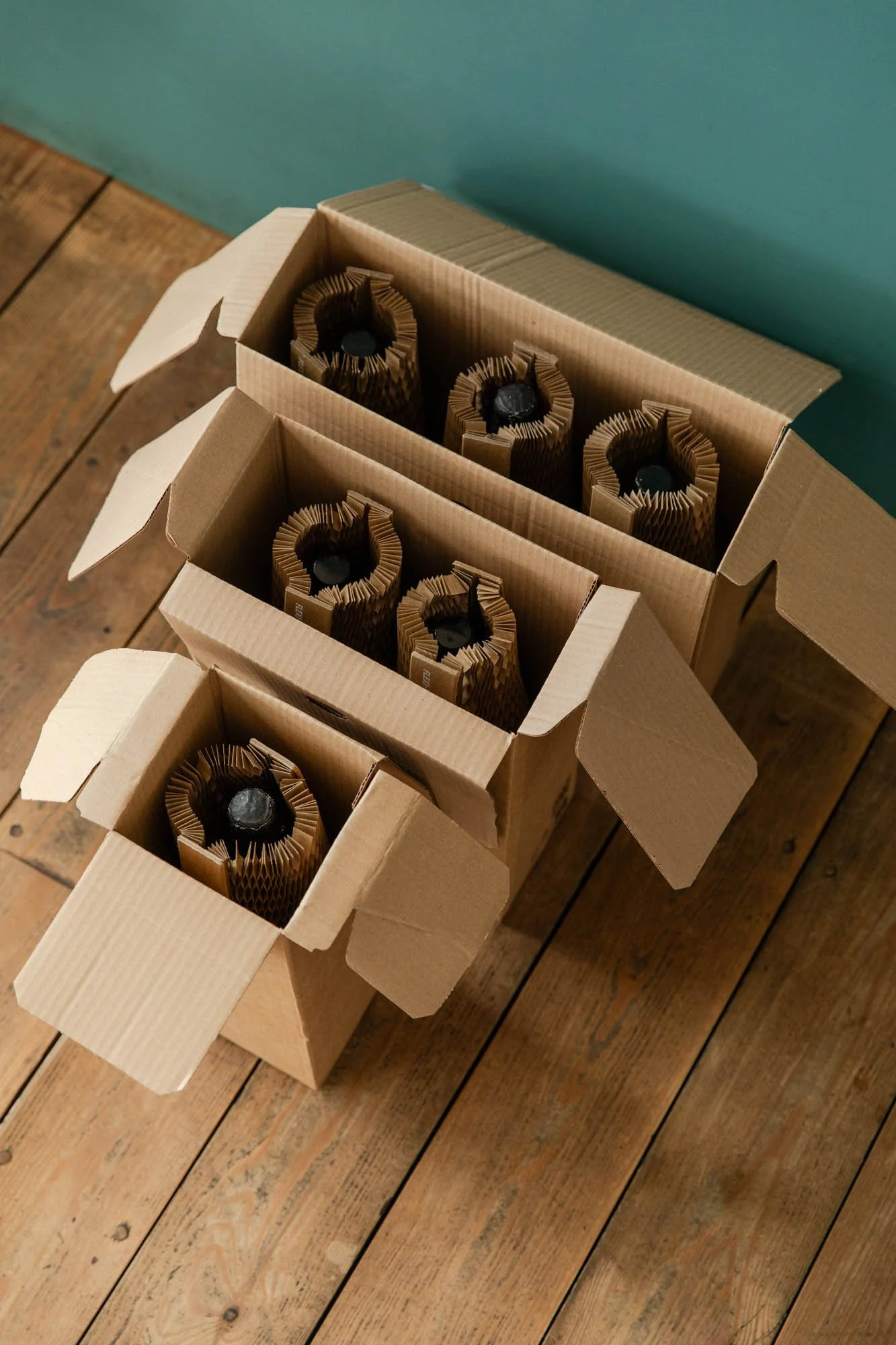
For a one-bottle order, the single Pinch Top format may be a useful option to assess. For two- or three-bottle orders, the matching format can create a consistent way to pack common DTC and gifting shipments. Woodhill’s wine-and-spirits sample pack includes two MINI sleeves, one single box and one double box, so wineries can trial one- and two-bottle orders with their own bottles.
If you frequently ship larger cases, consider how the six-bottle format fits your order mix. Woodhill lists a 6-pack Fold Top box with a separate base insert and a requirement for six Flexi-Hex MINI sleeves. Check bottle height and dimensions against the product specifications before choosing it.
The goal is not to make every shipment identical if your customers order different products. It is to identify a manageable set of tested formats that covers the orders you send most often.
Keep presentation aligned with the wine
Your customer has chosen to buy from your winery. Packaging should reinforce that decision, not distract from it.
Flexi-Hex sleeves are made from recycled paper and are plastic-free. The Pinch Top box is described by Woodhill as plastic-free, recyclable, biodegradable and compostable. Confirm the specifications and disposal guidance for all pack components before making claims about the full parcel.
Presentation can also come from simple details: a well-fitting carton, a tidy pack-out and a tasting note or release card placed where the customer sees it. It does not require adding unnecessary materials or making the packing process more complicated.
Consider the packing bench as well as the customer
A format may look good in a product photo but still be awkward to assemble at volume. During a trial, involve the people who pack orders and check:
How many steps it takes to pack each bottle
Whether sleeves and boxes are easy to identify and store
Whether the bottle fits consistently across the range
Whether the finished parcel closes securely
Whether the format works with your courier labels and dispatch process
Track packing feedback alongside customer comments and delivery outcomes. That gives you a better basis for deciding whether the format belongs in your regular DTC workflow.
Trial before you change every order
Choose a common one- or two-bottle order and test a complete Flexi-Hex sleeve-and-box configuration. Use the bottle you actually ship, pack it as your team normally would and send it through your usual delivery route.
Compare it with your current pack on fit, ease of assembly, storage, customer response and damage outcomes over an agreed period. A small controlled trial can show whether a different format works for your winery without requiring an immediate change across every product or shipment.
A better wine delivery starts with the right details
If you are reviewing wine DTC packaging, send Woodhill Distribution the bottle height, widest diameter, filled weight, a photo and your common order formats. We can help you assess a Flexi-Hex sleeve and box combination to trial.
Your wine has already made the journey from vineyard to bottle. The packaging should help it complete the last mile with the same care.
