Shipping wine direct to customers, club members or trade partners should feel like an extension of your cellar door experience – not a gamble with every courier label you print. Yet many New Zealand wineries are still relying on packaging and processes that almost guarantee avoidable breakage, extra freight cost and unhappy customers.
Below are five common mistakes we see NZ wine brands making when sending bottles, plus practical ways to fix them using proven, paper‑based protection.
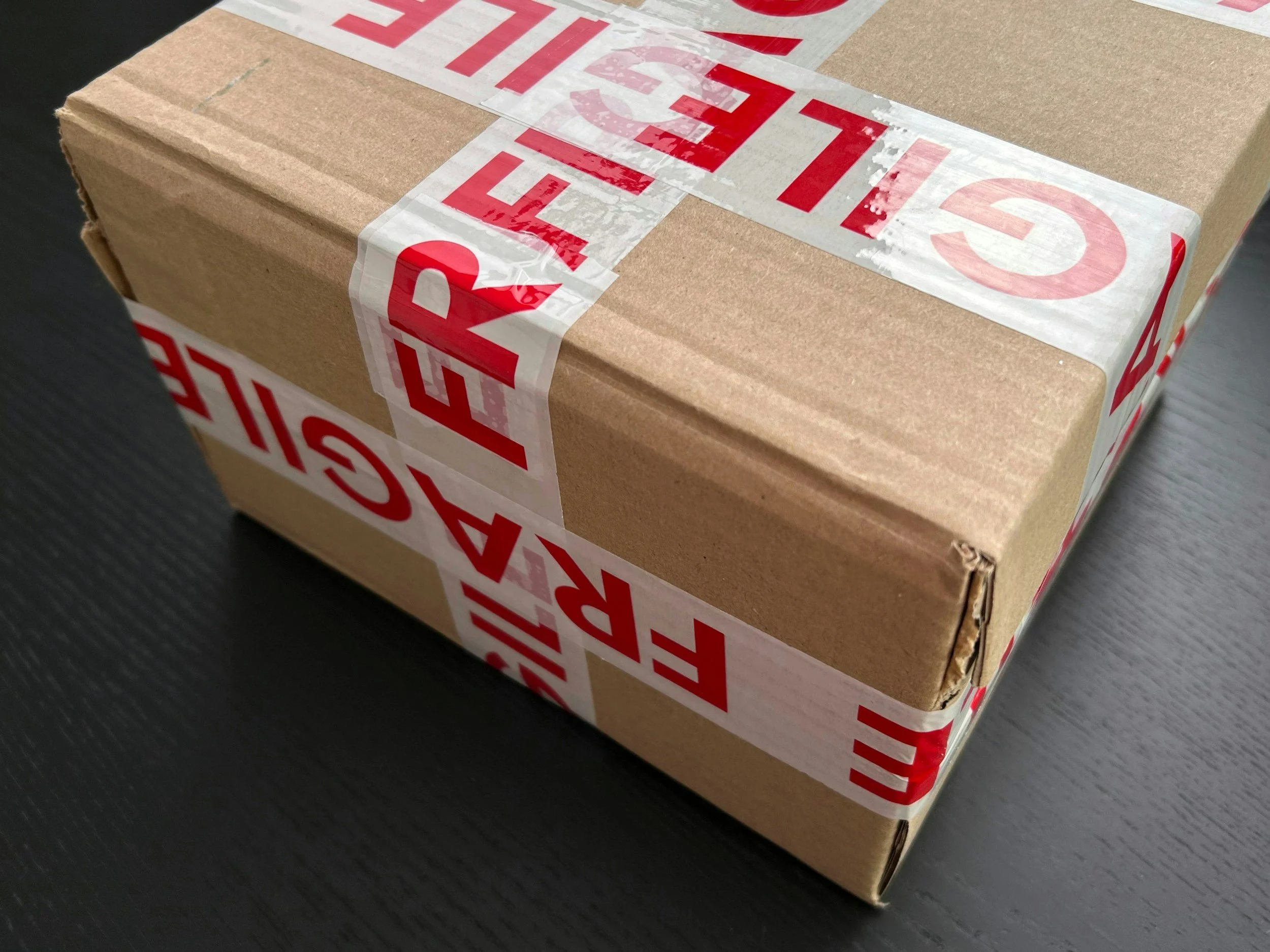
1. Treating any cardboard box as a “wine shipper”
A standard cardboard carton with a bit of bubble wrap might look fine on the pack bench, but inside a courier van it is up against conveyor drops, side impacts and constant vibration. Regular boxes crush easily, allow bottles to knock together, and offer almost no protection at the neck – the weakest part of the bottle.
Instead, look for packaging that is actually designed for fragile glass in transit. Flexi‑Hex sleeves expand into a strong honeycomb structure around each bottle, while Pinch Top boxes lock the neck in place and prevent movement inside the shipper. This combination creates a protective shell around the bottle and stabilises it during handling, dramatically reducing the risk of breakage without resorting to plastic foam or loosefill.
2. Overpacking with plastic – and still seeing breakages
When breakages happen, the instinct is often to add more: more bubble wrap, more tape, more polystyrene peanuts. The result is bulky cartons that cost more to freight, take longer to pack, and still do a poor job of controlling movement inside the box. On top of that, your carefully crafted sustainability story can be undone the moment a customer opens a box full of plastic.
Right‑sizing your packaging is one of the fastest ways to reduce both damage and cost‑to‑serve. Flexi‑Hex sleeves fit snugly around the bottle and pair with single, double and triple Pinch Top boxes that are compact, kerbside‑recyclable and designed specifically for courier networks. You get strong protection and a cleaner unboxing moment, while shipping less air and removing problem plastics from your supply chain.
3. Ignoring how wine actually travels through the network
Most damage doesn’t happen in the back of the rural delivery van – it happens earlier, as freight is sorted, stacked and moved at speed through a national network. Bottles experience vibration, impacts and changes in orientation long before they arrive at the local depot. If your packaging only works when cartons stay perfectly upright and gently handled, it is not fit for purpose.
Transit‑tested packaging gives you a realistic safety margin. Many Flexi‑Hex bottle solutions are ISTA 3A tested, meaning they have been through drop, vibration and compression tests that simulate real courier conditions. For NZ wineries sending direct‑to‑consumer, club or gifting shipments, that level of testing helps protect margin on every order – especially as more sales move online and expectations around damaged goods harden.
4. Treating packaging as an afterthought, not part of your brand
You put huge care into vineyard practice, winemaking and label design – but if the bottle arrives wrapped in tape, plastic and improvised void fill, that’s the story your customer remembers. For many DTC customers, the courier delivery is their first physical interaction with your brand; the unboxing either reinforces your positioning or undermines it.
Because Flexi‑Hex is design‑led packaging, the act of opening the box feels more like unwrapping a gift than unpacking freight. The honeycomb sleeve reveals the bottle gradually, and the clean cardboard outer can be easily branded, labelled or customised for club, seasonal or corporate releases. You’re not just preventing damage; you’re creating a consistent, premium experience from checkout to first pour.
5. Making it hard for your team to pack consistently
Even the best packaging fails if it is slow to assemble or easy to use incorrectly. Complex die‑cuts, multiple inserts and lots of tape create variation from one packer to another, which is exactly how “mystery” breakages creep into your courier data.
Flexi‑Hex was developed to be fast and intuitive on the pack bench. Sleeves slide over the bottle in seconds and expand to fit, then go straight into a self‑sealing Pinch Top box – no extra tape, dividers or void fill required in most use cases. That simplicity makes it easier to train casual or seasonal staff, standardise your packing process, and keep orders flowing even at peak release or gifting periods.
Where Flexi‑Hex fits in your winery
Here are a few places NZ wineries are using Flexi‑Hex today.
Direct‑to‑consumer and club shipments (1, 2 and 3 bottle formats).
Trade samples and media packs where presentation matters as much as protection.
Seasonal and corporate gifting, especially where your sustainability story is part of the brief.
If you’d like to pressure‑test the system on your own range before committing, you can start with a small sample pack of sleeves and Pinch Top boxes and run them through your usual courier lanes.
Get the complete guide to shipping wine
If you’re shipping more wine direct to customers, retailers or offshore this year, and want fewer breakages, fewer surprises and a clearer plan, “The Complete Guide to Shipping Wine” is a good place to start.
This free, practical handbook walks you through:
Domestic shipping rules within NZ, plus key export requirements in plain English.
Packaging best practice with Flexi‑Hex – from single bottles to pallets and containers.
Documentation, duties, taxes and insurance, so you know what to confirm with your freight partners.
Checklists and example documents your team can use on the floor.
You can download “The Complete Guide to Shipping Wine” HERE and share it with your operations, logistics or export team. It’s designed to sit alongside your existing carrier info and give you one clear, winery‑specific reference for packing, paperwork and freight conversations.