
Flexi‑Hex vs the main wine packaging options: what NZ brands should actually compare
If you are shipping wine around Aotearoa or overseas, the packaging decision is not just about what cushions the product. It affects breakage risk, storage space, packing speed, freight costs, customer perception and how easy the pack is to explain at the other end.
For most premium DTC and small-format trade shipments, Flexi‑Hex sits in a different category from standard protective materials because it combines product protection, operational efficiency and a premium unboxing experience in one paper-based system. Traditional options can still work in the right setting, but they tend to solve only part of the problem.
The main options NZ brands are choosing from
Most brands end up comparing seven broad packaging approaches for bottles:
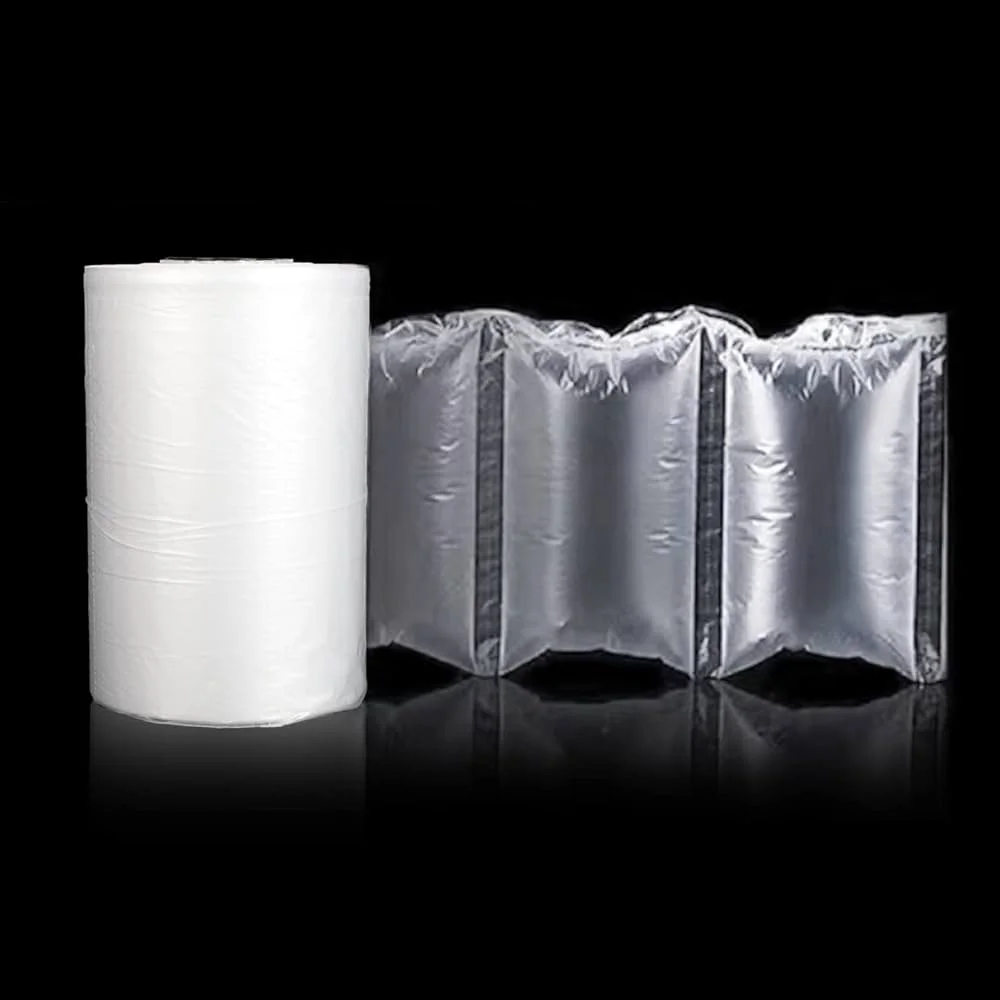
Bubble wrap and loose fill in a standard shipper
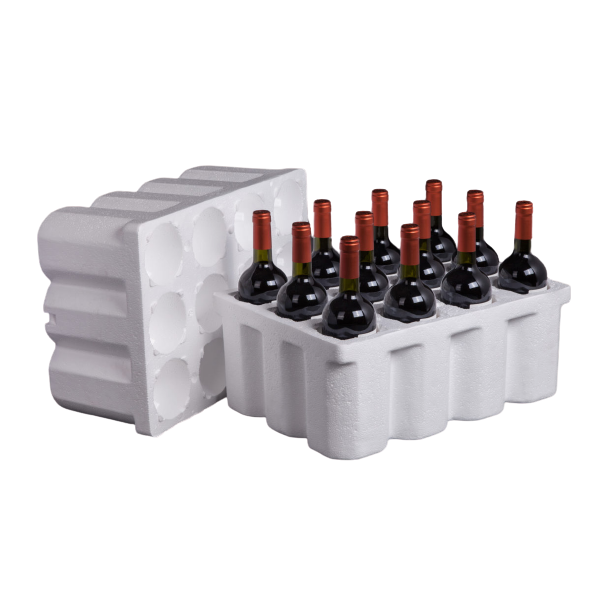
Foam or polystyrene moulds
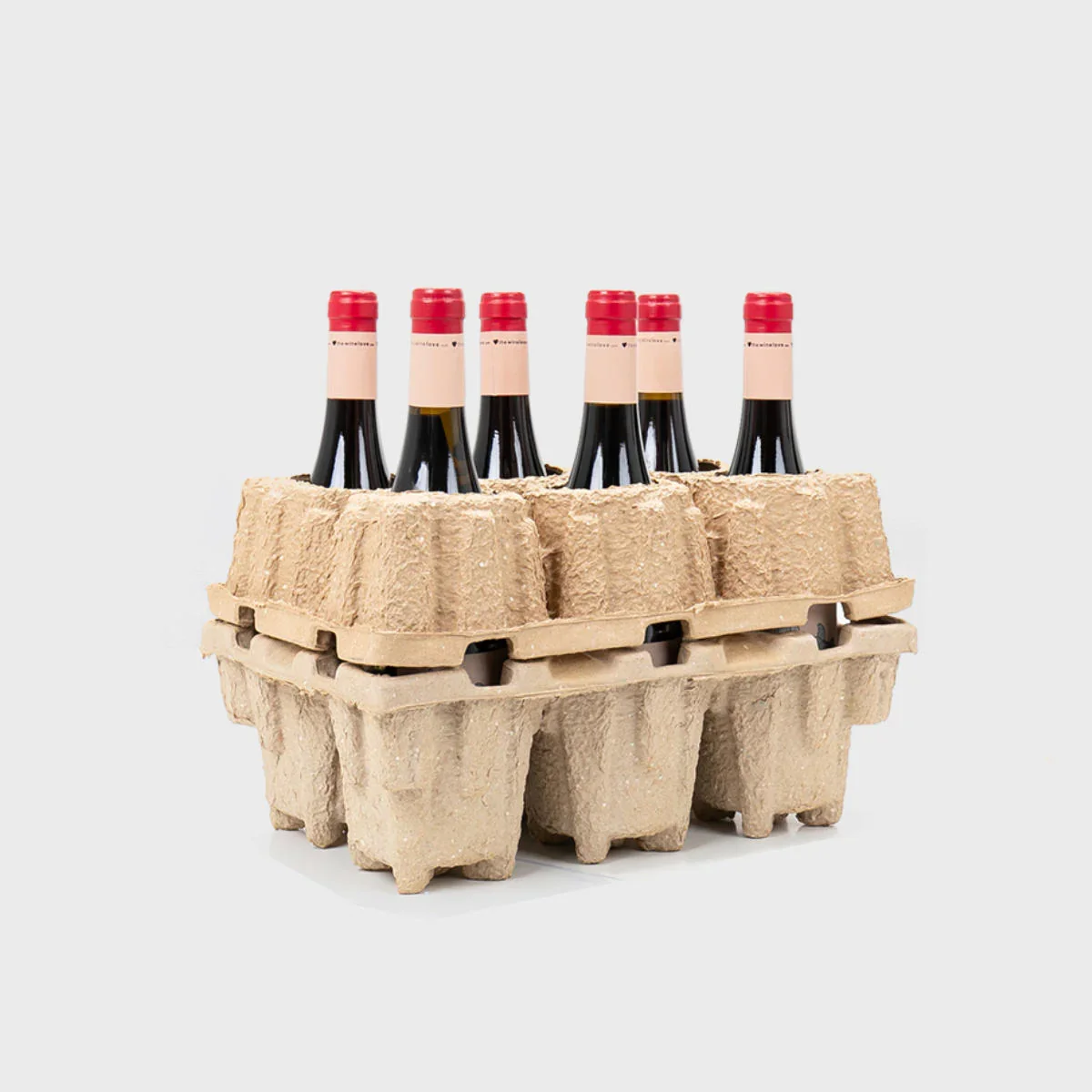
Pulp inserts and die-cut cardboard fitments
Standard wine cartons with cardboard dividers
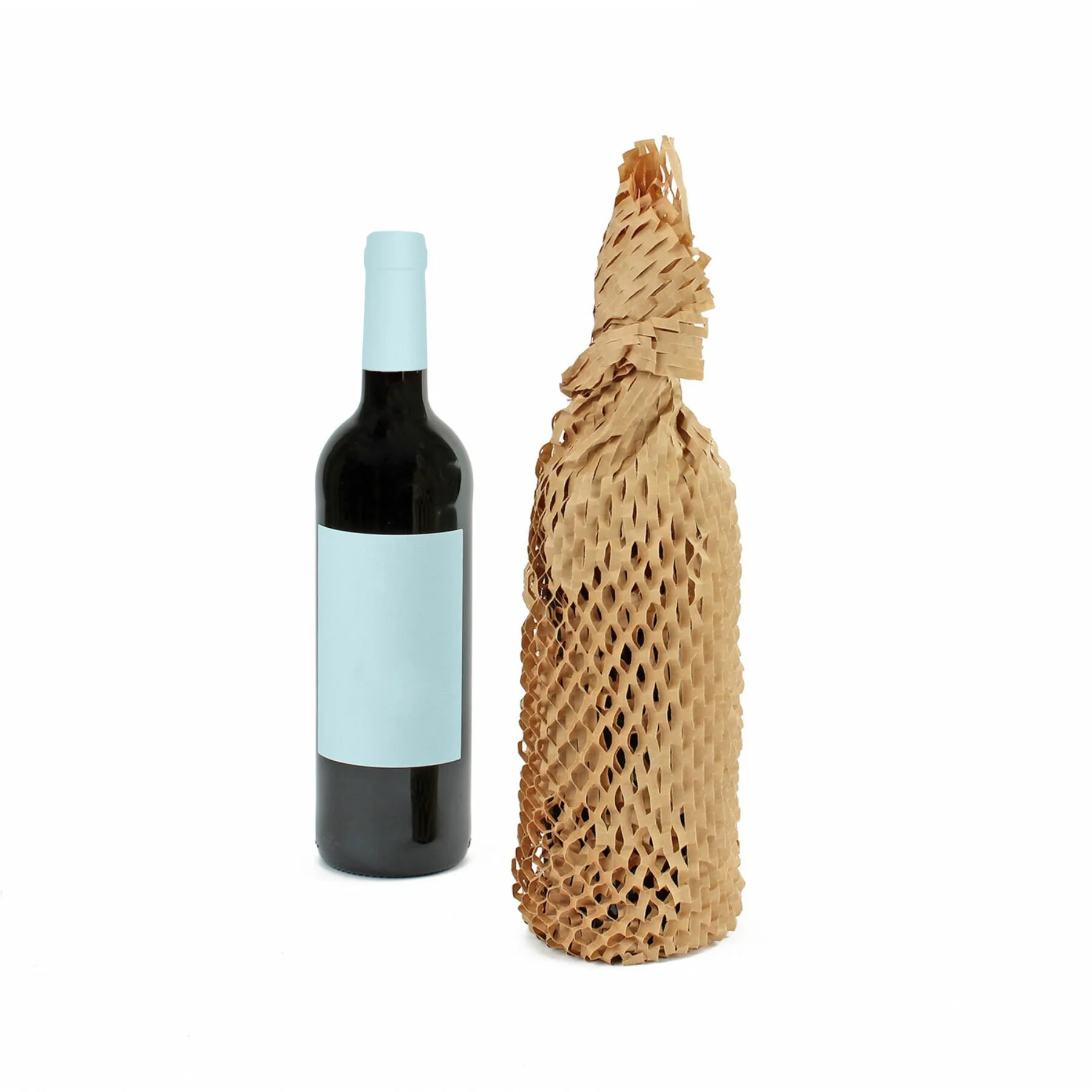
Generic honeycomb paper wrap
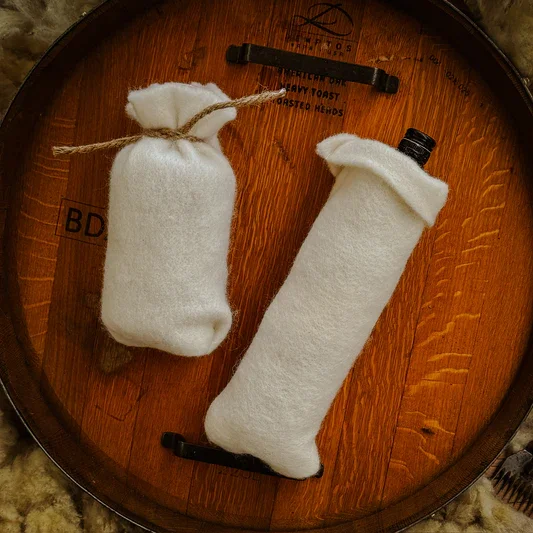
Wool wrap and wool sleeves
Flexi‑Hex sleeves paired with purpose-designed boxes
They all aim to get the product from point A to point B intact. The real difference is how well they handle rough courier networks, how much space they take up, how flexible they are across SKUs and what they say about the brand when the customer opens the box.




1. Bubble wrap and loose fill
Bubble wrap is still the fallback option for many smaller operations because it is familiar, easy to source and doesn’t require a packaging redesign. It gives basic cushioning, but the actual outcome depends heavily on how consistently the bottle is wrapped and how much movement is left in the carton.
The trade-off is that bubble wrap adds bulk, creates a messy unboxing and is harder to deal with through NZ recycling systems than fibre-based options. It is often cheap to buy by the roll but less efficient once storage, freight and damage replacements are part of the conversation.
2. Foam and polystyrene moulds
Foam and polystyrene inserts can provide strong impact protection when the product shape matches the insert properly. That is why they remain common in some wholesale and export contexts where product formats are stable and maximum cushioning is the priority.
The downsides are well known: they are bulky, plastic-based and visually out of step with premium brands trying to reduce plastic in the customer experience. Disposal is also awkward because most of these materials are not accepted in normal kerbside recycling systems.
3. Pulp inserts and die-cut cardboard
Moulded pulp trays and engineered cardboard fitments are a logical move for brands wanting a fibre-based alternative to plastics. They generally perform well with standard bottle sizes and are easier to align with recycling goals than foam options.
Their limitation is rigidity. Once the bottle shape changes, the neck is longer, or the pack format varies, you often need another insert SKU or another case design.They also take up more storage space than flat-packed protective systems.
4. Standard wine cartons and dividers
Standard six- and 12-bottle wine cartons with cardboard dividers are still the baseline format for many wineries. They are familiar, fully fibre-based and practical for palletised trade movements where cartons remain upright and handling is relatively controlled.
The key limitation is that dividers mainly stop bottles rubbing against each other. They do not create a protective shell around each bottle, and they do not secure the neck in the way a specialist courier shipper does. That makes them less suited to modern parcel networks, where drops, side impacts and conveyor handling are normal rather than exceptional.
They also assume standard bottle dimensions. Once the range includes heavier glass, magnums, unusual shoulders or mixed cases, fit becomes inconsistent and protection becomes less predictable.
5. Generic honeycomb paper wrap
Generic honeycomb paper wrap has become a popular alternative to bubble wrap because it is paper-based, visually cleaner and easier to position as a lower-plastic option. It is lighter and more compact than many plastic protective materials and can look more considered in unboxing.
In practice, it is still usually a manual wrap system rather than a fully engineered bottle-shipping format. That means performance depends on how tightly the item is wrapped and what kind of outer box it goes into. It is an improvement on bubble wrap, but not always a complete packaging system by itself.
6. Wool wrap and wool sleeves
Wool-based wraps and sleeves are appealing because they combine cushioning with thermal performance, which matters for some wine shipments. They also carry a strong NZ provenance story, especially for brands wanting a natural material with local agricultural relevance.
Wool is most compelling when temperature buffering matters or when the brand story justifies the extra material. The trade-off is that wool formats are usually bulkier than flat paper systems, can cost more per shipment and are not a straightforward kerbside recycling story for the end customer.
7. Flexi‑Hex sleeves and boxes
Flexi‑Hex is a patented honeycomb paper sleeve system designed specifically to protect bottles and other fragile products in transit. The sleeve expands into a rigid honeycomb structure around the item, and compatible boxes are designed to stabilise the neck and reduce internal movement during handling.
For NZ wine brands, the appeal is not just the material. Flexi‑Hex is paper-based, plastic-free, kerbside-recyclable and home-compostable, but it is also compact in storage, adaptable across a wide range of bottle shapes and intentionally premium in presentation. That combination is why it tends to outperform standard protective materials in DTC, gifting and sample shipments where both breakage risk and brand perception matter.
How the options compare:

Where standard cartons still make sense
Standard wine cartons with dividers are not wrong. They are often the sensible answer for palletised wholesale movements, internal warehouse transfers and straightforward regional trade dispatches where cartons are handled as cases, not as individual parcels.
The issue is using them outside that context. Once a carton enters a parcel network, the assumptions change: boxes may be dropped, turned on their side, stacked unpredictably or handled one at a time. That is where standard dividers start looking like a compromise rather than a true shipping system.
Flexi‑Hex vs wool wrap for DTC and trade/export
For wineries choosing between Flexi‑Hex and wool, the simplest distinction is this: Flexi‑Hex is usually the stronger everyday workhorse for DTC and small-format trade shipping, while wool becomes more relevant when temperature buffering or provenance storytelling is the main brief.
In DTC and club shipments, Flexi‑Hex has a practical edge because it is compact to store, efficient to pack, easy for the customer to recycle and purpose-designed for bottle protection in courier channels. Wool has clear strengths, especially around insulation and natural-material storytelling, but usually asks the business to accept more bulk and a less straightforward disposal pathway for the customer.
In trade and export, the equation depends on the lane. Flexi‑Hex remains strong where physical protection, freight efficiency and a clean paper-based system matter most, while wool starts to make more sense when temperature risk is high enough to justify the extra material and volume.

When Flexi‑Hex is the smart choice
Flexi‑Hex is typically the best fit when the shipment is going through a courier network, the product is premium enough that presentation matters and the business wants one system that helps reduce breakage, simplify packing and improve the customer’s impression at the same time.
It is especially well suited when:
breakages are eating into margin and creating replacement costs
storage space is tight and bulky protective materials are getting in the way
the brand wants a plastic-free, kerbside-recyclable packaging story that is easy for NZ customers to understand
trade samples, gifts or club shipments need to feel premium when opened
the range includes multiple bottle shapes and the team wants fewer packaging SKUs to manage

The practical takeaway
The real comparison is not “which packaging material exists”. It is “which system best suits the way the product is actually shipped”. Standard cartons and dividers still have a place in winery logistics, wool has a genuine role in temperature-sensitive or provenance-led packs, and pulp or generic paper wraps may suit simpler operations.
But for NZ brands shipping premium fragile products one parcel at a time, Flexi‑Hex is usually the option that balances protection, operational efficiency, sustainability credentials and customer experience most effectively.
Your bottles already tell a strong story in the glass – your packaging should back that up, not undermine it with plastic and avoidable breakages. If you’re ready to move beyond bubble wrap and “good enough” cartons, Woodhill Distribution can help you choose a system that protects product, fits NZ’s stewardship rules and actually enhances unboxing. Get in touch to talk through Flexi‑Hex and other options for your next vintage or release.
