Why Flexi-Hex Helps NZ Businesses Stay Ahead of the Waste Minimisation Act
New Zealand businesses are under growing pressure to reduce waste, move away from problematic plastics, and show they take product stewardship seriously. Flexi-Hex paper sleeves, distributed in New Zealand by Woodhill Distribution Ltd, offer a practical way to protect fragile products while aligning with the goals of the Waste Minimisation Act.
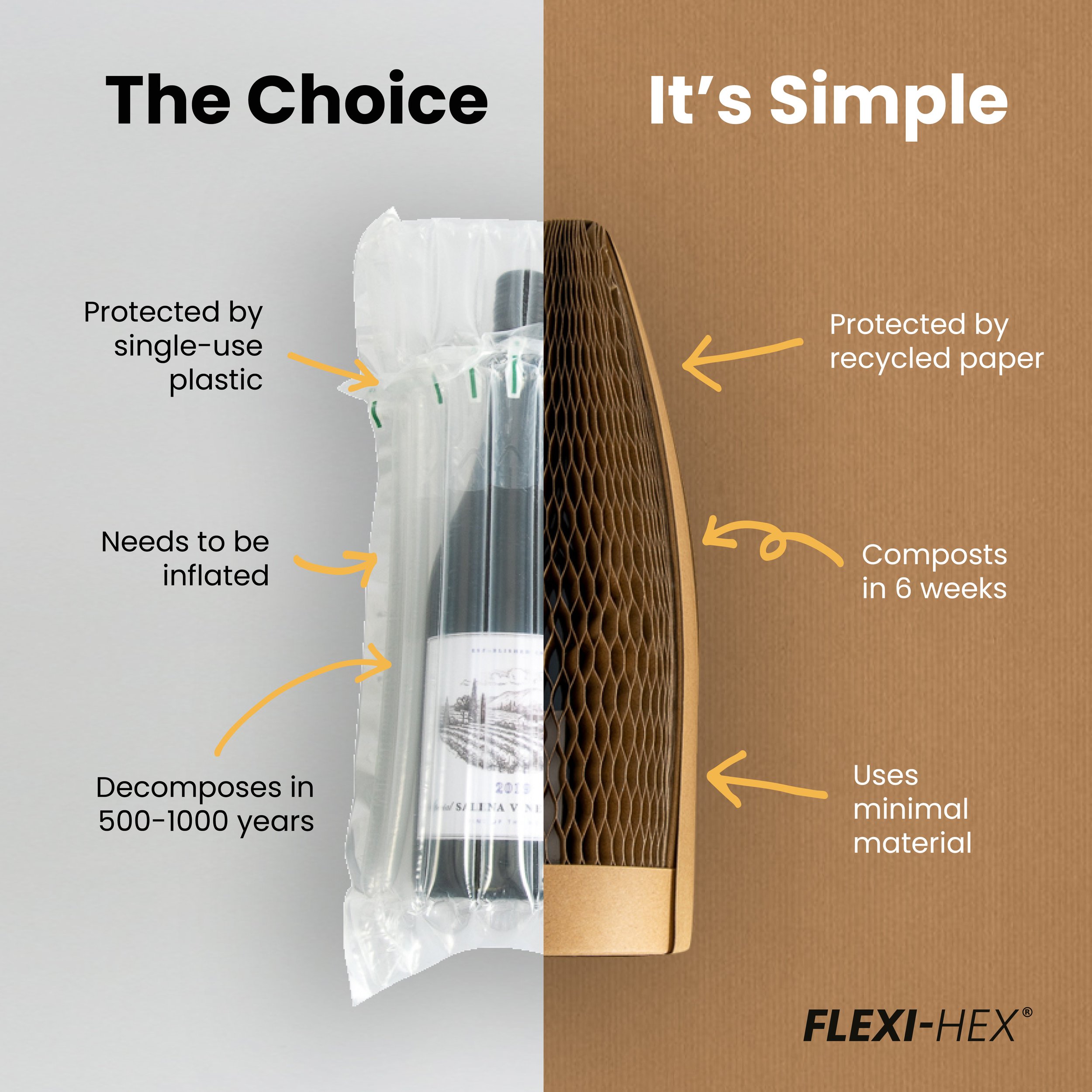
Made from over 85% recycled paper and 100% plastic-free, Flexi-Hex sleeves are curb side recyclable, biodegradable, and home compostable, helping businesses move away from polystyrene and other non-recyclable materials. By switching to paper-based honeycomb sleeves, brands can reduce their reliance on single-use plastics and demonstrate that they are actively minimising landfill waste and environmental harm.
Supporting Product Stewardship and Circular Design
Under the Waste Minimisation Act, businesses dealing with “priority products” such as packaging are expected to take responsibility for the full lifecycle of the materials they place on the market. Flexi-Hex is designed with this in mind: the packaging can be easily recycled or composted at end-of-life, making it straightforward for customers and businesses to do the right thing.
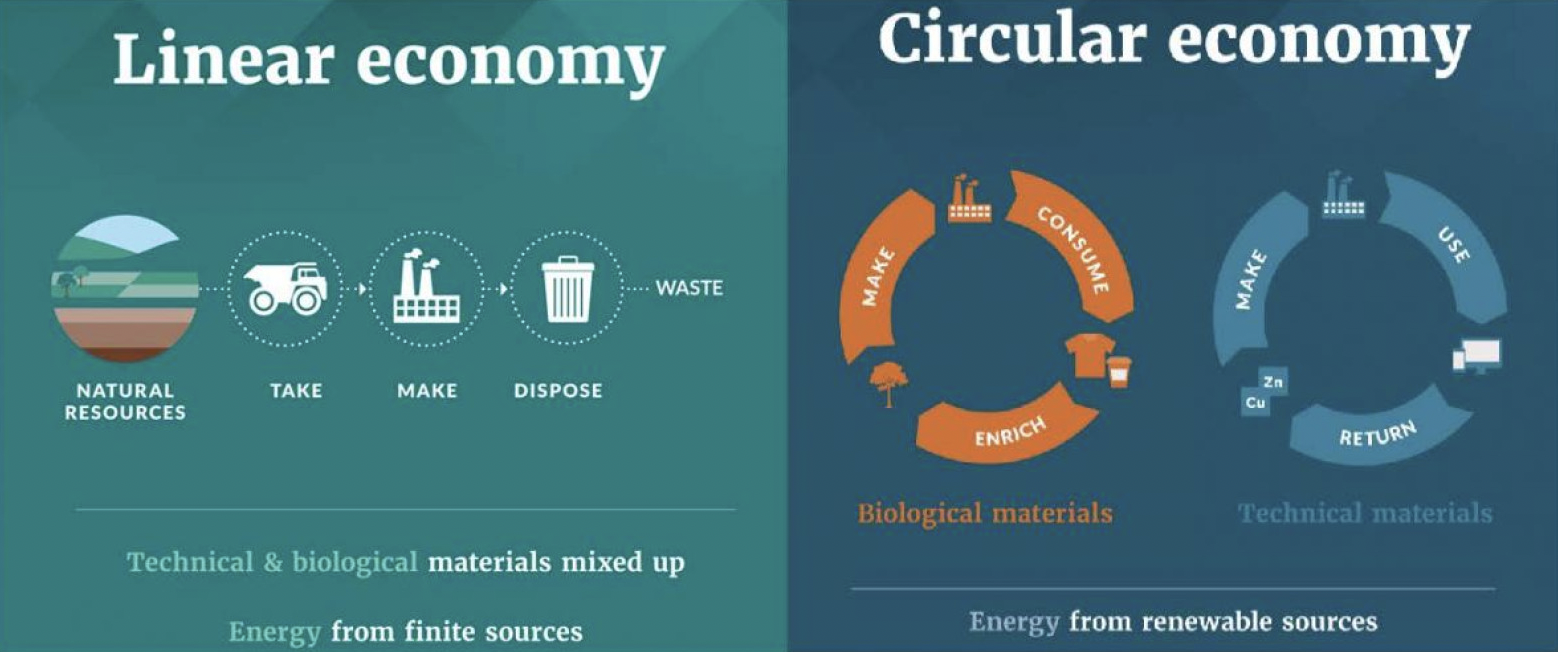
Because Flexi-Hex fits within existing kerbside recycling and composting systems, it supports New Zealand’s move towards a circular economy rather than relying on complex take-back schemes. This means brands can talk confidently about product stewardship and waste reduction without adding friction to their customers’ experience.
Cost Savings: Less Breakage, Less Waste, Less Storage
Flexi-Hex is not just about compliance; it also offers clear commercial benefits for New Zealand businesses. The patented honeycomb structure provides robust protection for fragile products such as wine, spirits, olive oil, and beauty bottles, contributing to a reduction in damaged item complaints by more than 50%. Fewer breakages translate into fewer replacements, less customer service time, and less wasted product and packaging.
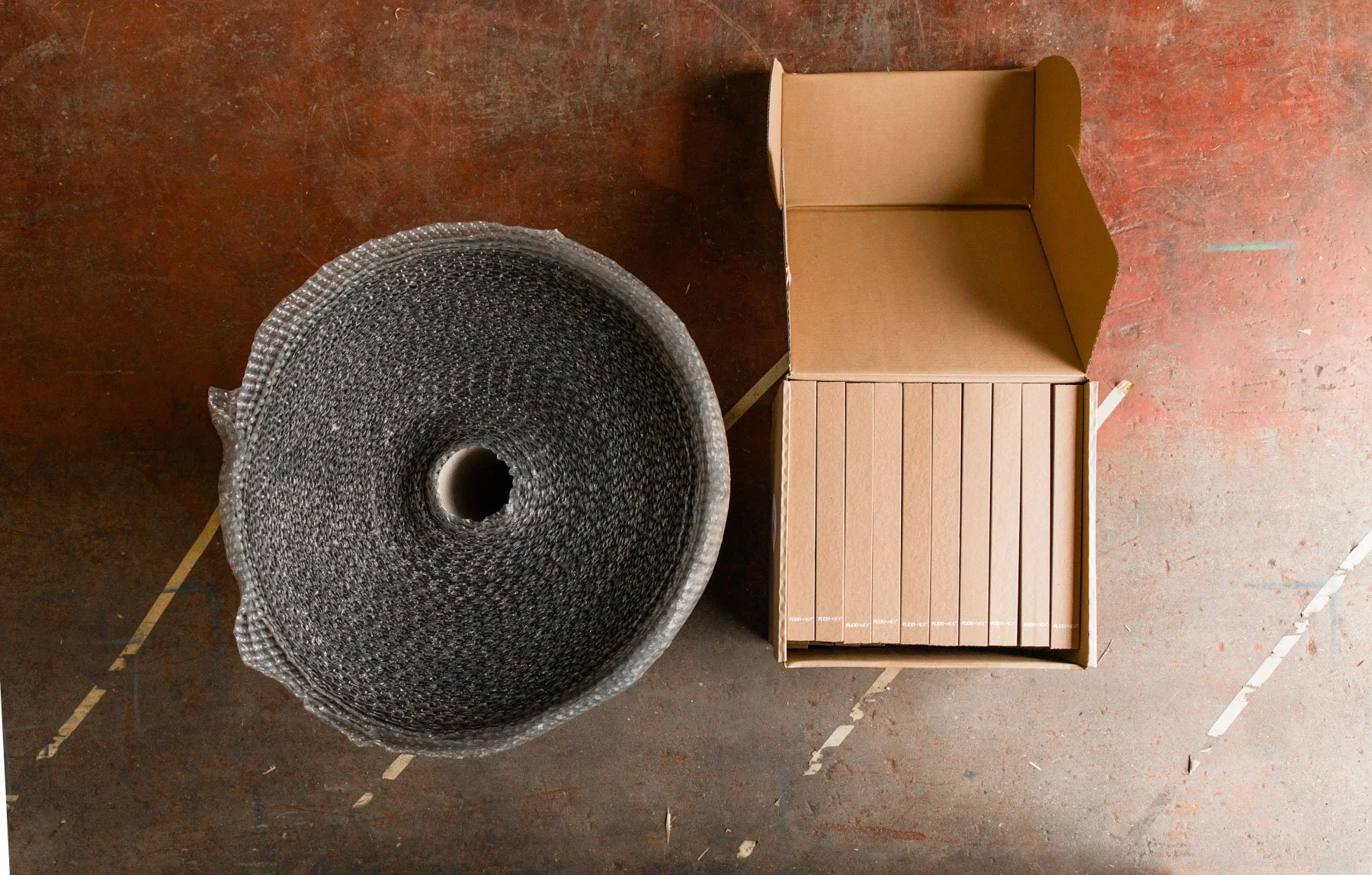
The sleeves are compact and space-efficient, with one pallet of Flexi-Hex able to replace up to five pallets of bubble wrap, cutting storage costs and optimising transport. As landfill levies increase, using recyclable and compostable packaging can also help reduce waste disposal costs over time, further strengthening the business case for switching.
Meeting Legal Obligations and Building Brand Value
The Waste Minimisation Act requires businesses to minimise waste, pay levies on landfill disposal, and, where relevant, participate in product stewardship schemes for priority products. By adopting fully recyclable, plastic-free packaging, companies can reduce their exposure to future regulatory risk while demonstrating that they are taking these obligations seriously.
At the same time, customers increasingly reward brands that prioritise sustainability and responsible packaging. Flexi-Hex’s premium look and feel, combined with its strong environmental credentials, helps businesses turn compliance into a brand advantage - connecting a better unboxing experience with a clear commitment to the environment.
How Woodhill Distribution Can Help
Woodhill Distribution Ltd supplies Flexi-Hex sleeves to New Zealand businesses looking to improve protection, reduce plastic, and meet their waste and stewardship obligations. With local stock and experience working with wine, spirits, FMCG, and boutique brands, Woodhill can help you choose the right sleeve sizes and volumes for your operation and identify where the biggest efficiency and waste savings can be made.
If your business is ready to move away from polystyrene and plastic void fill, Flexi-Hex offers a proven, sustainable alternative that supports both regulatory compliance and brand positioning. Get in touch with Woodhill Distribution to discuss samples, pricing, and how Flexi-Hex can help you reduce waste while protecting what matters most.