
Beauty and skincare packaging: protect the glass without compromising the brand
Your customer has chosen a serum, face oil or moisturiser because they expect something considered. The delivery should support that expectation.
But skincare fulfilment can create an awkward trade-off. Glass bottles and jars need protection through the courier network. Bubble wrap and plastic air cushions may feel like the safest option at the packing bench, yet they add bulk, plastic and visual clutter to a parcel that is meant to feel premium.
The better question is not simply, “What can we wrap this in?” It is: what does this product need to arrive safely, look right on arrival and remain practical for our team to pack?
For many New Zealand beauty brands, the answer starts with a paper honeycomb sleeve, a right-sized carton and a simple product trial.
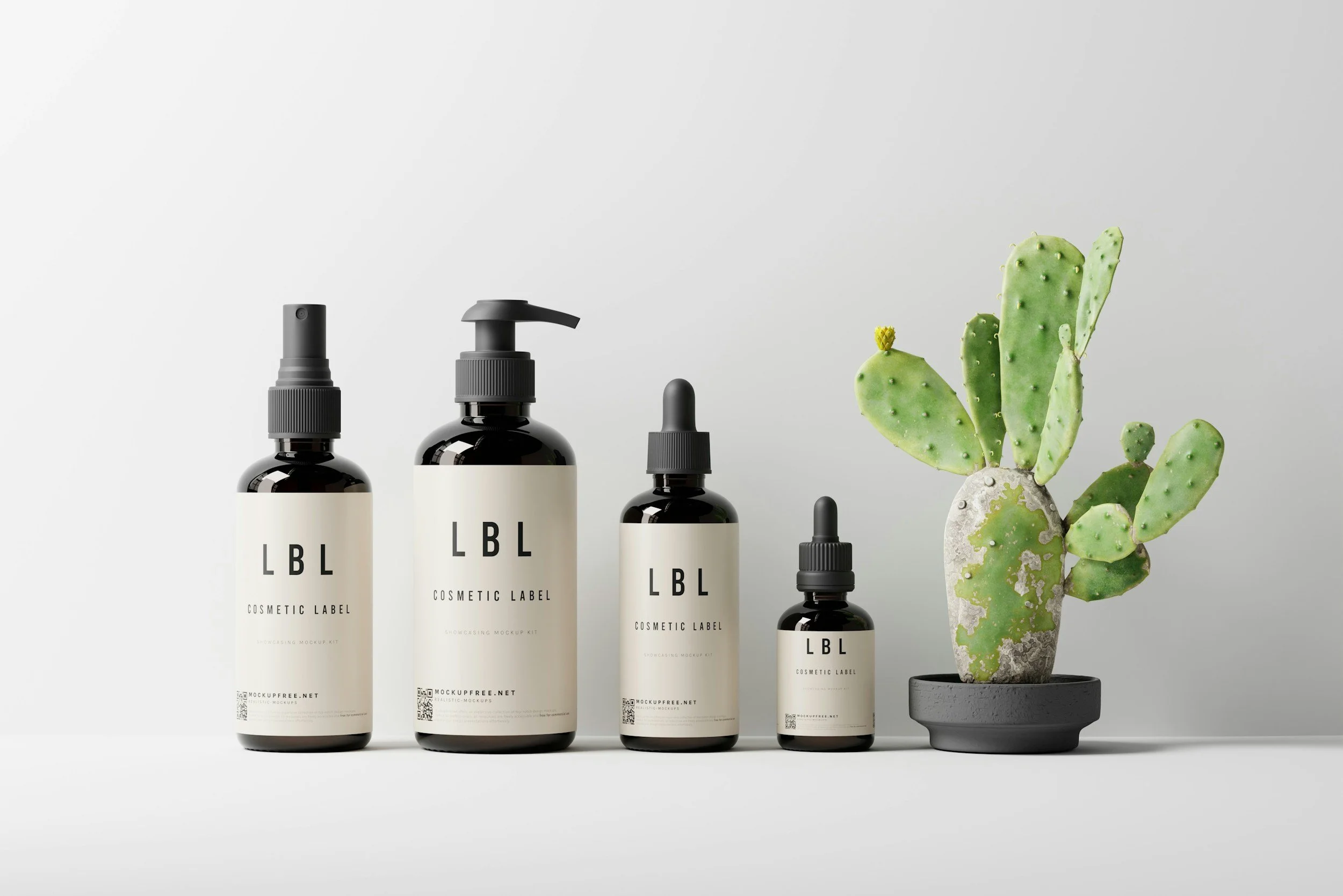
Glass deserves a proper packing system
Serum bottles, glass jars, droppers and pump products all have different pressure points. A short, wide cream jar needs a different fit from a tall glass bottle with a pipette or pump.
Before changing your packaging, collect the basics for each product or pack format:
Product height, widest diameter and filled weight
Cap, dropper or pump height
Whether it ships individually, in a set or with a secondary presentation box
Your current outer-carton dimensions
The products most likely to attract damage complaints or require additional hand-wrapping
This gives you a useful starting point for choosing the sleeve size and confirming whether the outer carton is right-sized. If there is too much empty space inside a parcel, the product can still move in transit. Flexi-Hex recommends using a snug-fitting box matched to the sleeve length and filling any remaining gaps with paper void fill or tissue to help secure the product.
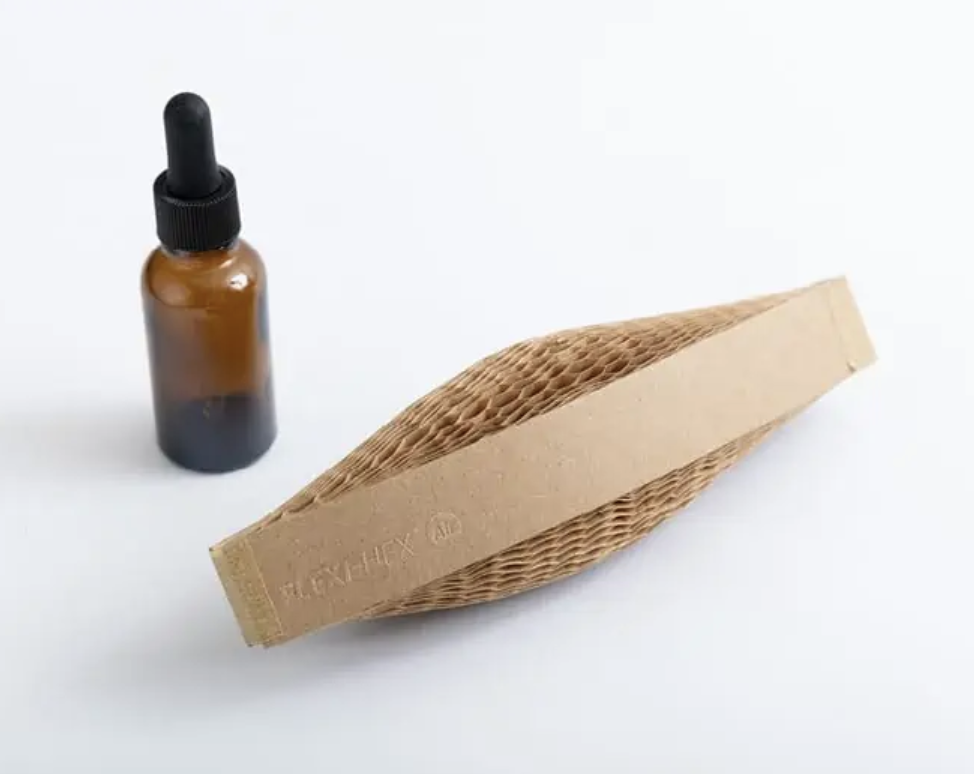
Why paper honeycomb sleeves suit beauty products
Flexi-Hex Air is a tissue-paper honeycomb sleeve designed for smaller and delicate items, including cosmetics, glassware, ceramics and electronics. It expands around the product to create a protective paper layer, then stores flat before use.
For a skincare operation, that matters in four practical ways:
Product protection: The honeycomb structure adds a protective buffer around fragile products before they go into the outer carton.
Cleaner presentation: A paper sleeve looks intentional in a premium parcel, rather than like a leftover layer of protective plastic.
Specific material story: Air sleeves are made from 100% recycled paper and are plastic-free, recyclable, biodegradable and compostable. Confirm the materials used in every other component before making the same claim about the whole delivery.
Compact storage: Sleeves are supplied flat, which can be useful when packing space is limited.
The sleeve is not a substitute for the outer carton. It is one part of a complete pack. Test the sleeve, carton, gaps and product fit together.
Choose the packaging around the product, not the other way round
Beauty ranges often grow one SKU at a time. A brand may begin with a 30 ml serum, add a 50 ml pump bottle, then bring in a jar, candle or gift set. If every product gets a different improvised wrap, fulfilment becomes slow and inconsistent.
A more useful approach is to group products by their packing needs. You may find that a small selection of sleeve sizes and right-sized cartons covers the majority of your orders.
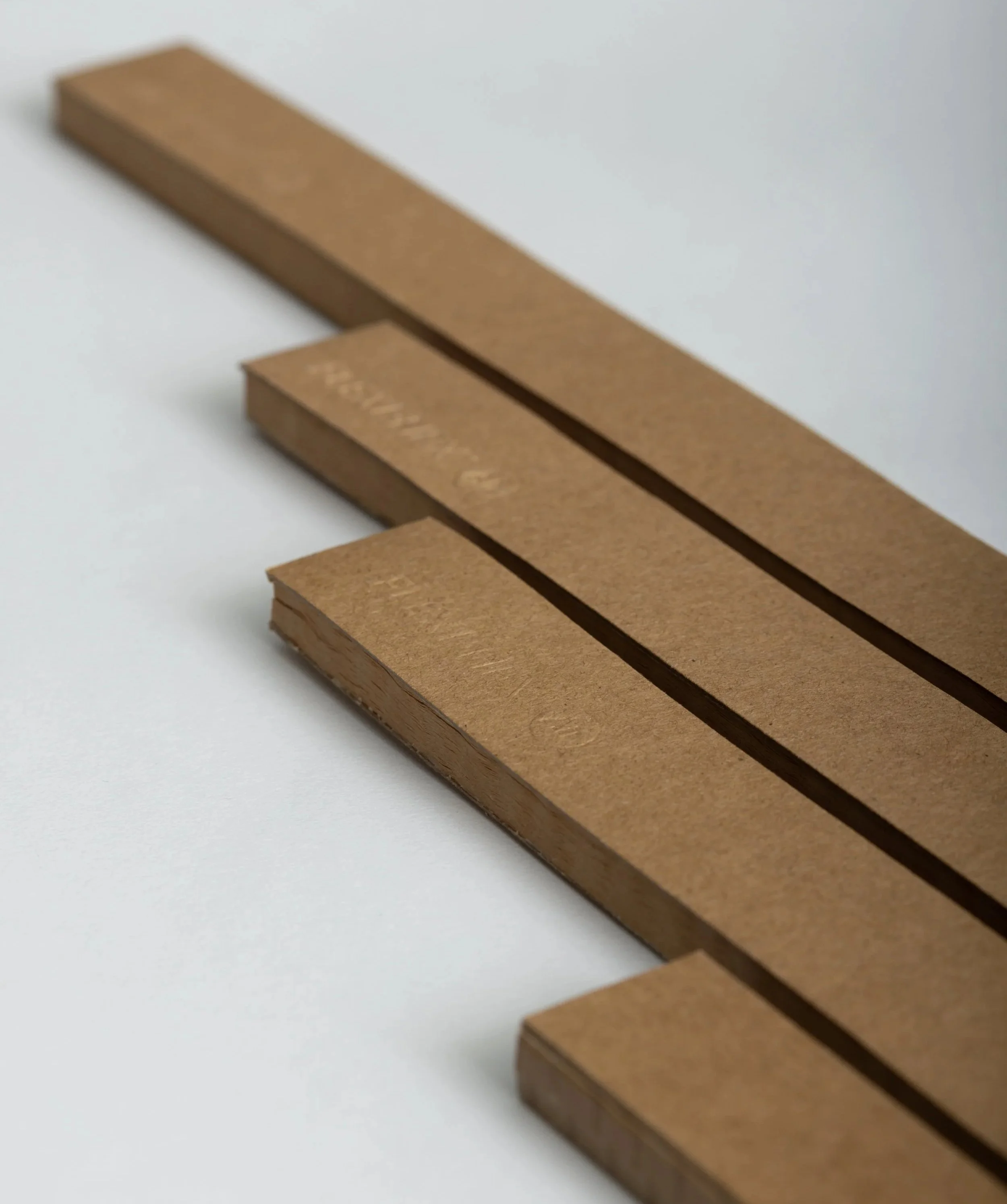
Flexi-Hex Air sleeves are available in four lengths — 10 cm, 20 cm, 25 cm and 35 cm — for a range of fragile items. Rather than selecting by category name alone, use your product dimensions and trial the fit with the actual product.
For heavier bottles, larger glass items or products outside the Air sleeve range, ask for a recommendation before ordering. The product, shipping method and outer carton all affect what will work.
The unboxing is part of the product experience
When someone opens a beauty delivery, they are already forming an opinion about the product inside.
A neat paper sleeve can reinforce the sense that the brand has made deliberate choices. It provides protection but also gives the customer a clear cue about the material used. Pair it with a simple thank-you card, product information or refill reminder and the parcel becomes more than a courier requirement — it becomes part of the brand experience.
That does not mean every parcel needs extra components. Good packaging should make the product feel considered, not make the packing process more complicated.
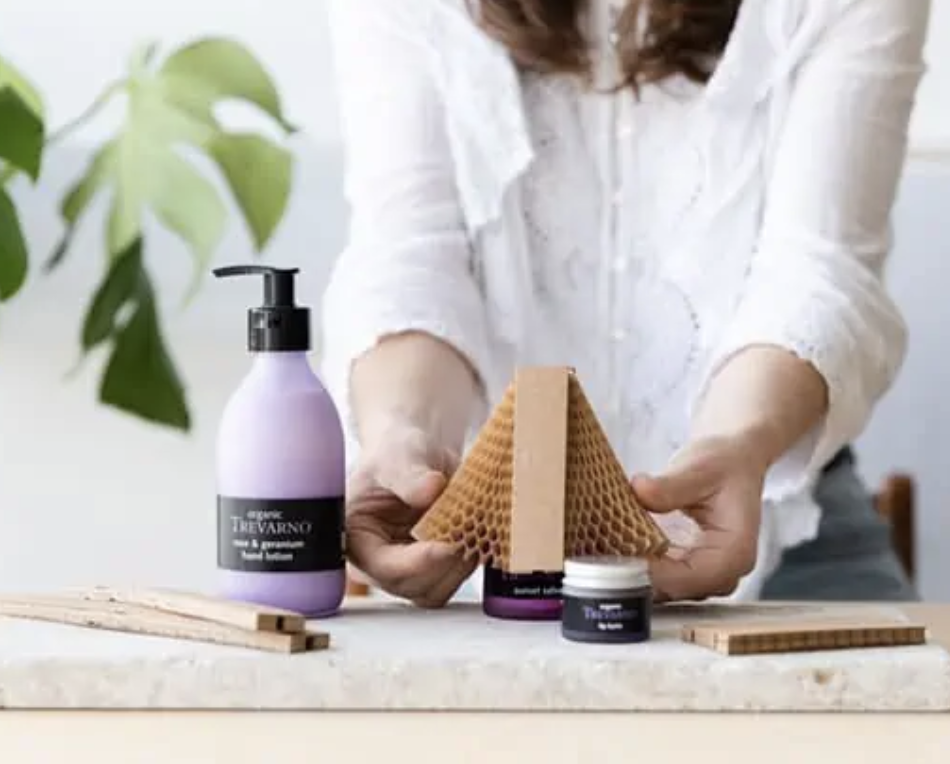
Trial first, then scale
The best packaging decision is a tested one. Start with one fragile SKU or a single product family and measure what changes.
Record the current method: packaging materials, packing steps, space used and any damage or customer-service issues.
Trial Flexi-Hex Air sleeves with the actual product and a right-sized carton.
Check product fit, movement inside the carton and how consistently the team can pack it.
Track delivery feedback, damage claims and packing feedback over an agreed period.
Expand only when the new format is working in the real world.
This is a more credible way to reduce plastic in your packaging than changing materials because they sound more sustainable. It protects your product, your customer experience and your operation.
Need help matching a sleeve to your product?
Send Woodhill Distribution the height, widest diameter and filled weight of the product, along with a photo and your current carton size. We can help you identify a Flexi-Hex Air sleeve and outer-pack format to trial.
Your glass skincare products have been designed with care. The packaging that carries them to your customer should show the same care.
