
Moving from supplier to partner: the packaging support ops managers need

When packaging is working, it is easy to treat it as a simple purchasing task.
You need sleeves. You need cartons. You need enough stock to get through the next run. You compare unit prices, place the order and move on to the next operational priority.
But when packaging is not working, it touches nearly everything.
A few damaged deliveries can quickly become customer complaints. A bottle replacement becomes a second pick, pack and freight cycle. Extra void fill slows the packing bench. An oversized carton adds cost and leaves more room for movement. A customer opens a premium order and finds a tangle of bubble wrap, plastic air pillows and tape — not quite the brand experience you intended.
That is why operations managers need more than a packaging supplier.
They need a packaging partner: someone who helps them look at the full journey, spot weak points early and make practical improvements before damage trends, packing delays or customer complaints become normalised.
A supplier delivers packaging. A partner helps improve performance.
There is nothing wrong with a supplier relationship that is purely transactional — if the packaging system is already proven, stable and suited to the product.
But fragile-product businesses rarely stand still.
Bottle formats change. Gift packs launch. Courier channels shift. Order volumes rise during vintage, Christmas, corporate gifting or a new product release. A warehouse team changes. A customer starts reporting damage from a particular delivery route. Suddenly, the packaging you have always used is no longer the packaging system you need.
The difference comes down to the questions being asked.
A supplier may ask:
How many cartons do you need?
What size sleeves are you ordering?
When do you need them delivered?
A packaging partner also asks:
Which products are being damaged, and where in the journey is it happening?
Are certain bottle shapes, weights or pack configurations more vulnerable?
Is the outer carton right-sized for the product and protective material?
How much movement is there once the order is packed?
Is your team using the same packing method every time?
How much space are bulky rolls, foam or void fill taking up in your warehouse?
What is a replacement actually costing once product, labour, freight and customer service are included?
Does the parcel look like it belongs to the premium product inside?
Those are operational questions, not marketing questions. They are also the questions that usually reveal where the most useful packaging change can be made.
Damage trends rarely begin as a single obvious problem
Most packaging failures do not announce themselves neatly.
You may see one broken wine bottle in a week, then another after a busy dispatch period. A glass skincare bottle may arrive scuffed or cracked in a particular order format. A team member may add more bubble wrap “just to be safe”, creating inconsistency and slowing packing. A new carton may look fine on paper but leave too much empty space around a heavy bottle.
Individually, those moments can seem manageable.
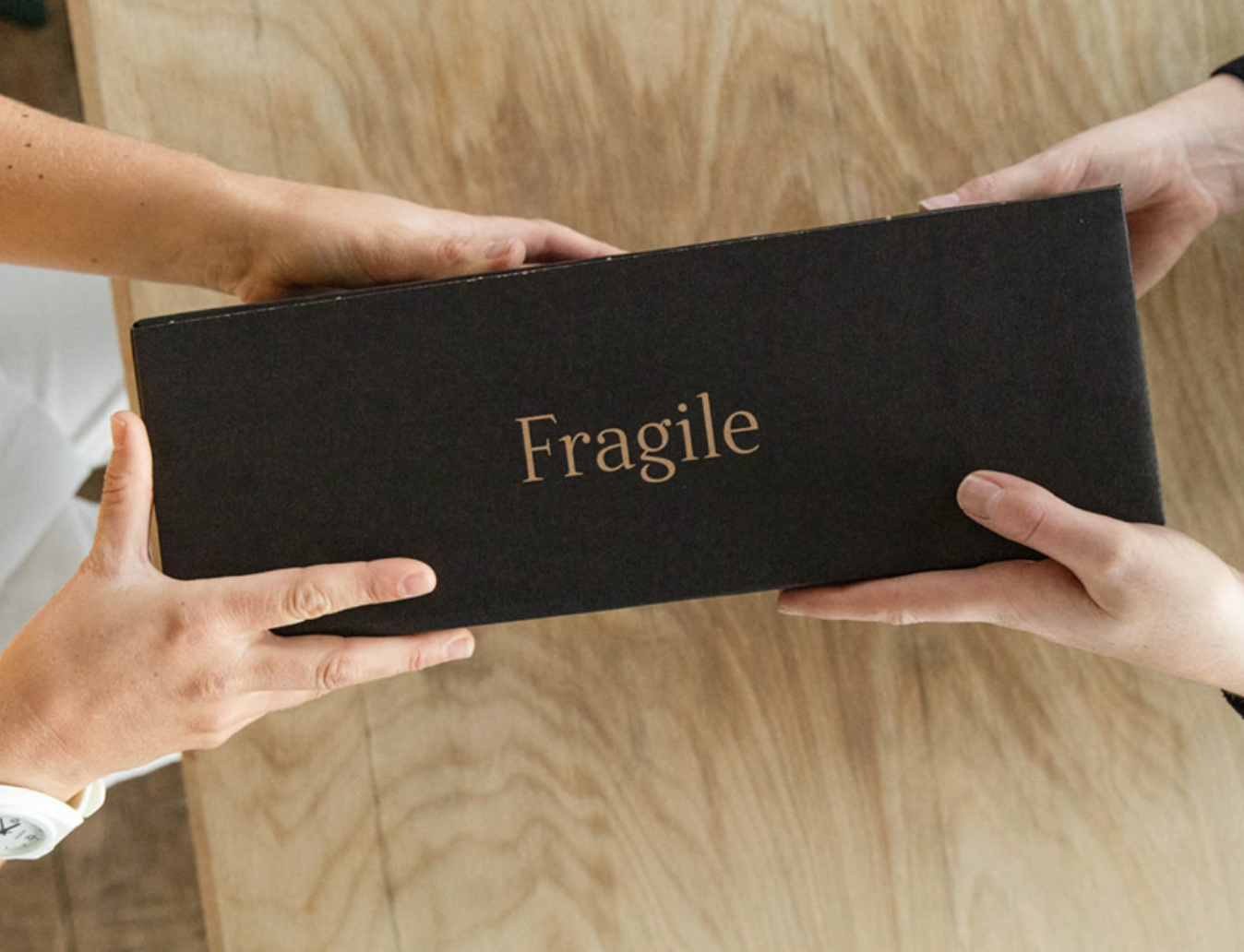
Collectively, they can point to a pattern:
A product is moving inside the carton.
Protection is not matched closely enough to the product shape.
The pack method varies from person to person.
A new format has been introduced without revisiting the packaging setup.
The operation is compensating for an unclear system with more material and more labour.
Damage is being treated as an unavoidable cost rather than a signal to investigate.
That is where proactive packaging support makes a difference.
The goal is not to over-engineer every parcel. It is to create a repeatable, fit-for-purpose system that protects the product through normal courier handling, works at the packing bench and presents well when it reaches the customer.
For fragile goods, that often starts with reducing movement. Flexi-Hex uses expandable honeycomb paper sleeves that fit closely around products, then works alongside a suitable outer carton to help hold that protection in place. The result is a more controlled packing format than simply adding layers of loose material and hoping the carton stays secure in transit.
What proactive packaging support looks like
A good packaging partner does not need to arrive with a complicated report or turn every packaging review into a six-month project.
The most useful support is often straightforward, practical and ongoing.
1. Reviewing the complete pack, not one component
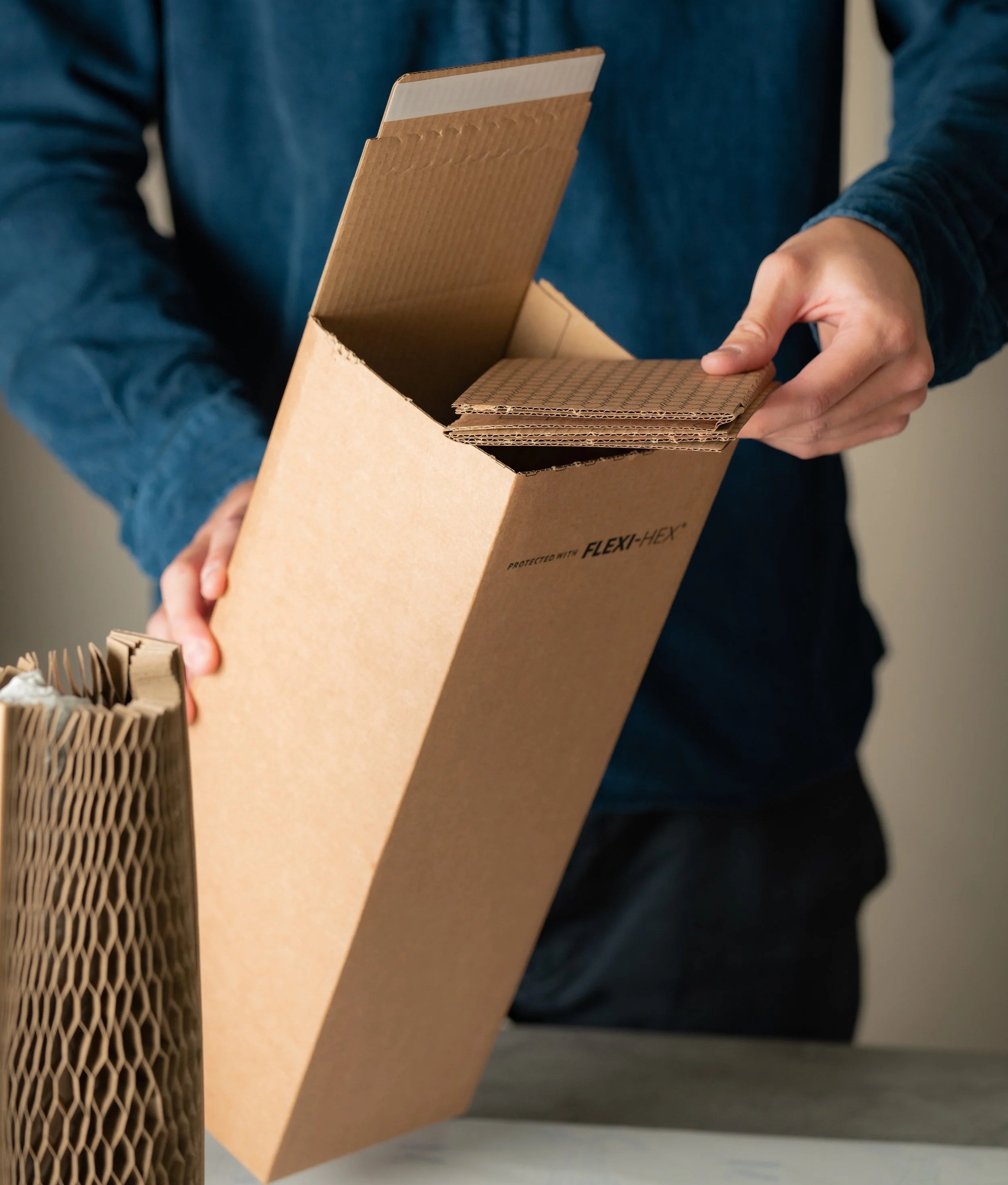
A carton on its own does not tell you whether a shipment is protected.
The full pack includes the product, protective material, carton, internal movement, closure method and the way the team assembles it. If one piece is wrong, the whole system can underperform.
For example, a cardboard box may sound like the sustainable option, but it can still leave a customer with plastic bubble wrap, air pillows, foam inserts or excessive tape. A complete review lets you look at both protection and the experience the customer receives.
For wine, spirits and other glass products, a close-fitting Flexi-Hex sleeve paired with a purpose-designed box can help reduce movement while keeping the pack plastic-free and easy for customers to recycle at home. Woodhill Distribution’s bottle formats include one-, two-, three- and six-bottle options designed around sleeved bottles and protective internal components.
2. Matching protection to the actual product
“Bottle packaging” is not one category.
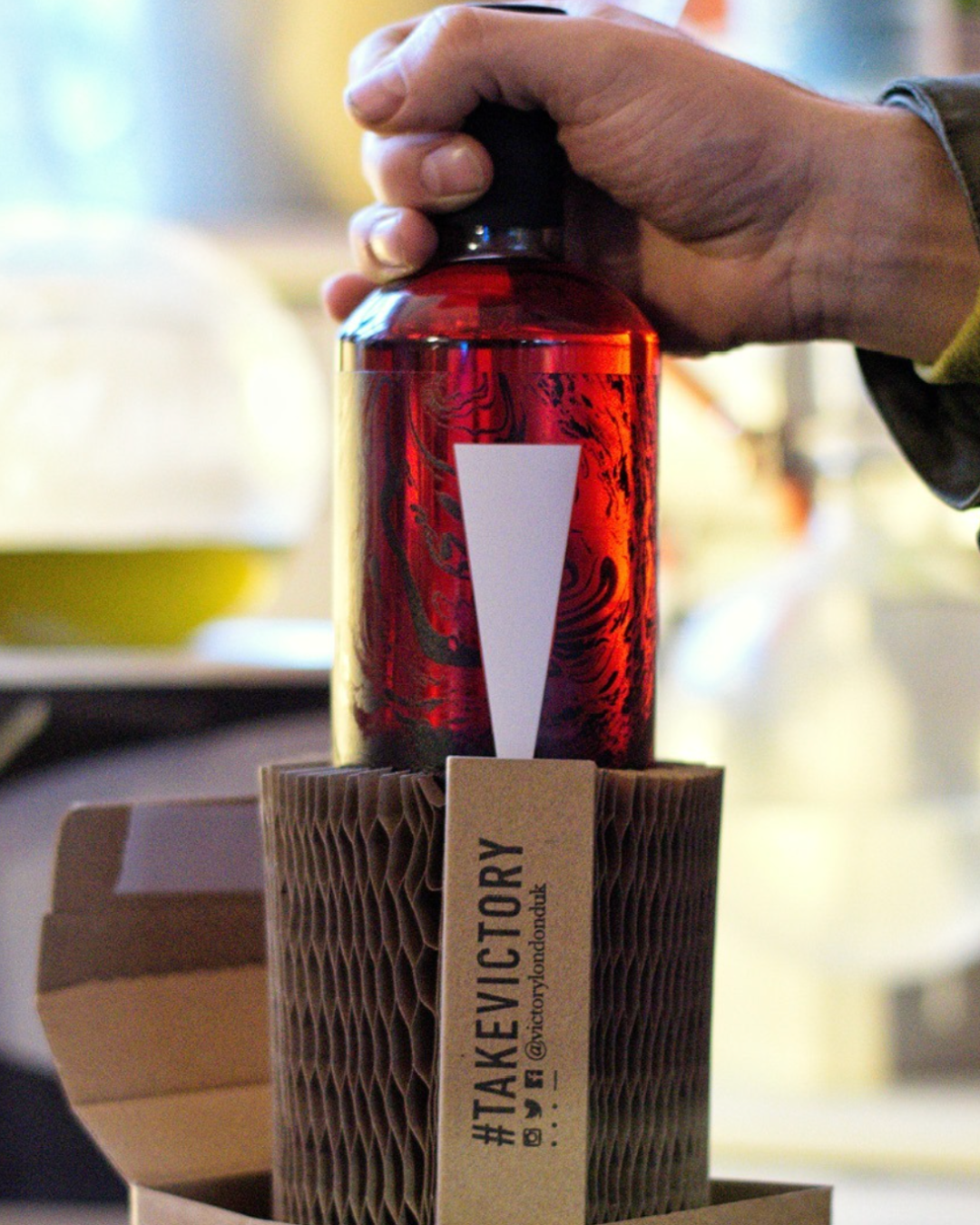
A standard 750 ml wine bottle, a broad-shouldered gin bottle, a heavy whisky release, a pre-boxed gift bottle and a six-pack of mixed wines all behave differently in transit. The same is true for ceramic vessels, skincare bottles, glassware, electronics and premium food products.A packaging partner should want the measurements that matter: height, widest diameter, weight, shoulder shape, outer presentation box and how the item is currently being shipped.
That does not mean every product needs a completely different packaging SKU. In fact, flexible systems can often reduce unnecessary complexity. Flexi-Hex sleeves expand around a range of shapes and sizes, while the right outer carton helps create a more stable shipping configuration.
The point is to find the right balance between protection, operational simplicity and a pack that looks intentional.
3. Keeping an eye on damage signals
You do not need perfect data to start improving packaging. But you do need a simple way to notice patterns.
If you are tracking damaged orders, start with a small set of useful information:
Date and order number
Product and pack format
Courier or route, where known
Type of damage
Photo of the parcel and product, where possible
Whether the packaging appeared crushed, punctured, wet or intact
Whether the item appeared to move inside the carton
Replacement cost, including outbound freight
Over time, this gives you something more useful than “we have had a few breakages lately.”
It helps you identify whether damage is linked to a particular SKU, carton size, packing method, courier route or seasonal dispatch peak. It also gives your packaging partner enough context to suggest a targeted adjustment rather than defaulting to more layers, more plastic or a larger box.
This is especially important during periods when the system is under pressure: harvest releases, cellar-door campaigns, corporate gifting, Christmas dispatches, limited-edition spirits drops or a sudden lift in DTC orders.

The right question is not “What does the packaging cost?”
It is “What does a damaged order cost us?”
Unit price matters. Every operations manager has a budget to protect.
But the unit cost of packaging is only one part of cost-to-serve. A damaged order can involve:
Lost product and packaging
Pick-and-pack time for the replacement
A second courier charge
Customer-service time
Inventory disruption
A possible refund or goodwill gesture
The risk that the customer does not order again
Then there is the less visible cost: your team spending time fixing a repeatable problem instead of improving the operation.
That is why a well-matched protective packaging system should be assessed as a total operational decision, not simply a cost-per-unit comparison.
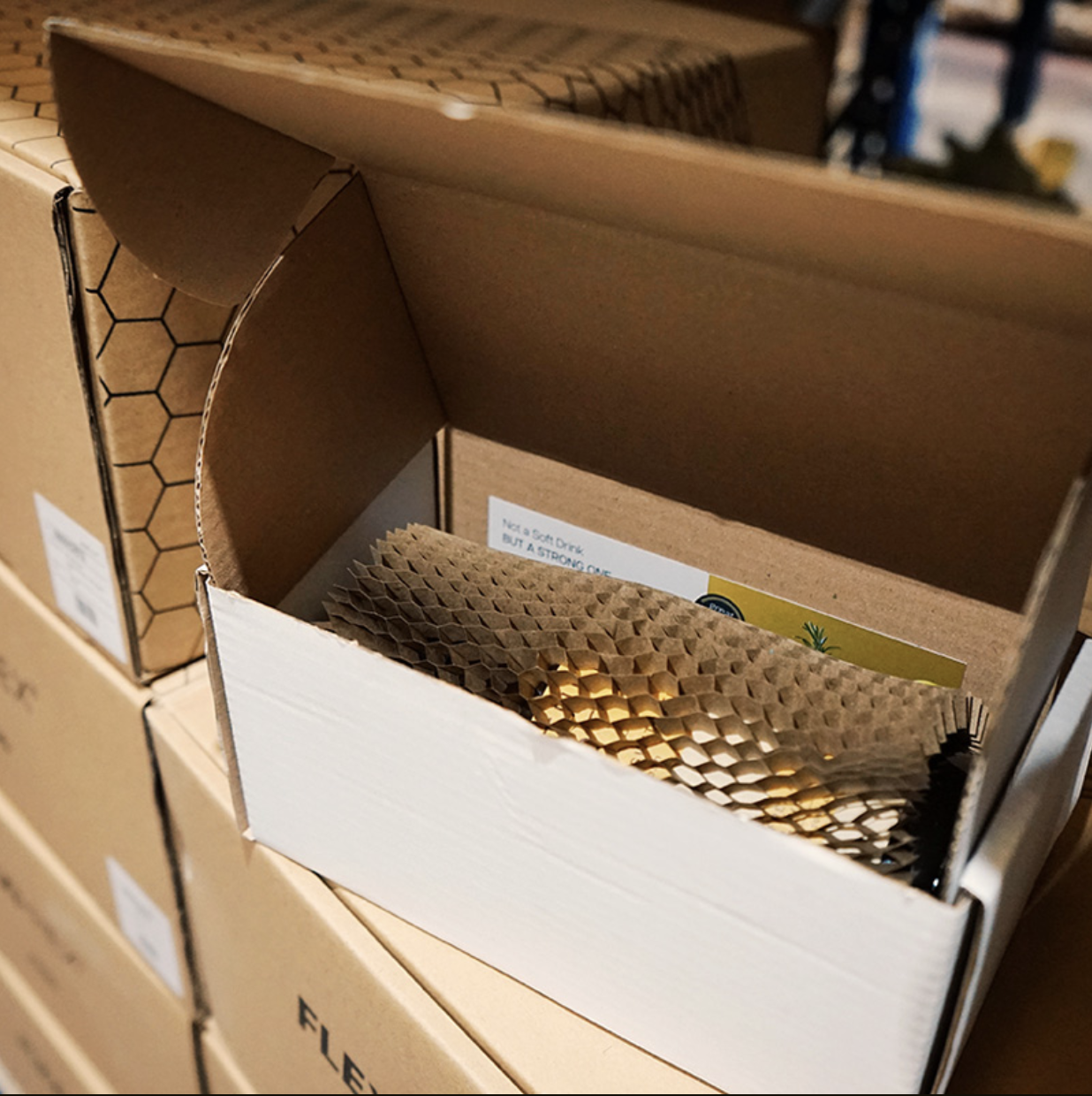
Flexi-Hex is designed to be compact before use, expanding around the product when it is packed. That can reduce the warehouse footprint associated with bulky bubble-wrap rolls or large volumes of pre-formed protective material. Its paper honeycomb construction also gives brands a plastic-free protective option made from recycled paper, with kerbside recycling and home-composting credentials that are clearer for NZ customers than vague “sustainable packaging” claims.
Better packaging support makes the packing bench easier
The best packaging system is not the one that looks good in a product photo. It is the one your team can use consistently at speed.
When packing processes rely on judgement calls — “add a bit more wrap”, “use whatever box is nearby”, “tape it again just in case” — results vary. That increases material use, slows fulfilment and makes it harder to understand why damage occurs.
A stronger system is usually simple enough to train, document and repeat:
Use the correct sleeve or protective format for the product.
Place the protected item into the correct outer carton.
Check that the product cannot move excessively.
Close the carton using the intended closure method.
Dispatch a parcel that is secure, consistent and recognisably on-brand.
For premium brands, this consistency matters twice. It supports protection in transit and it protects the customer experience.
Flexi-Hex packaging is designed to open around the product quickly and to fit into repeatable workflows. Woodhill Distribution’s bottle systems combine sleeves with self-sealing box formats and internal protection designed to minimise movement, while surfboard formats are designed to arrive flat and pack quickly without machinery.
Premium brands should not have to choose between protection and presentation
Operations teams are often forced into a false choice.
Use the most protective format possible, even if it looks bulky and plastic-heavy. Or use packaging that looks better but feels too risky for a fragile product travelling through a courier network.
For premium wine, spirits, beauty and e-commerce brands, that trade-off is not good enough.
The protective packaging should do its job before the customer sees it. But once they do open the parcel, it should reinforce the quality of the product — not make the brand look careless, generic or at odds with its own values.
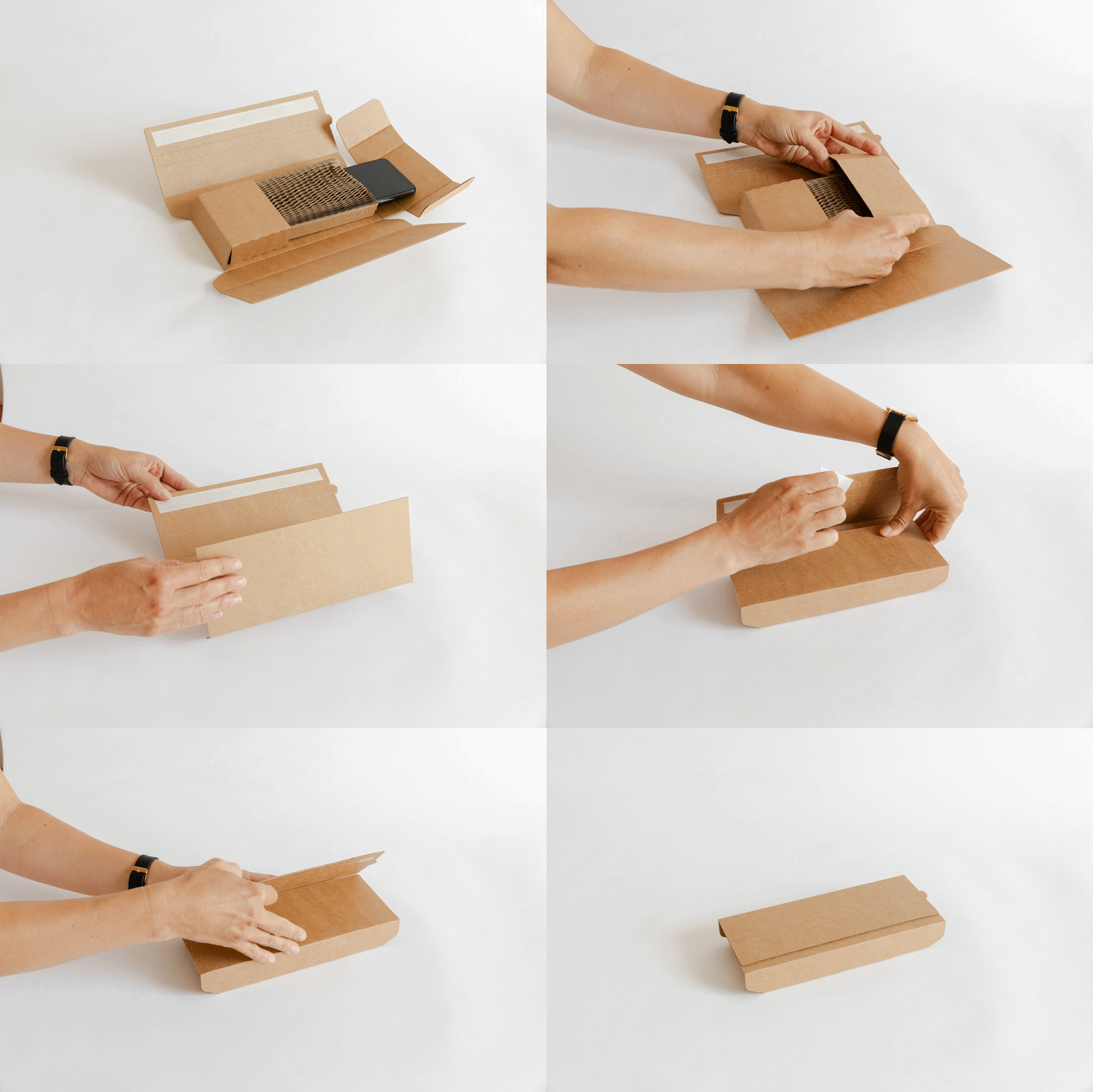
That is one reason paper honeycomb packaging has become a useful option for high-consideration products. It is tactile, purposeful and visually distinct, while still being designed to cushion fragile goods in transit. Flexi-Hex uses paper-based honeycomb technology to secure products, with product ranges spanning bottles, beauty, electronics, food and boardsports.
The sustainability story is also more straightforward. Rather than asking customers to separate mixed materials or dispose of plastic protective packaging, you can give them a paper-based pack that is plastic-free, made from recycled paper and kerbside recyclable in New Zealand.
That is not just a better disposal story. It is a cleaner final moment in the delivery experience.
What to expect from a genuine packaging partner
A good packaging partner should make your job easier, not add another supplier relationship to manage.
Look for support that includes:
A conversation about your products, not only the packaging SKU
Fit recommendations based on bottle dimensions, shapes and order formats
A practical review of the full pack, including carton size and internal movement
Guidance on consistent packing methods
Support when you launch a new product, gift pack or shipment format
An interest in damage patterns and operational feedback
Clear material information you can use in your own sustainability communications
Local availability and advice that reflects New Zealand freight and recycling realities
That is the difference between being supplied packaging and being supported with a packaging system.
Woodhill Distribution supplies Flexi-Hex across Aotearoa and works with businesses shipping wine, spirits, beauty, homewares, boardsports products and fragile e-commerce orders. The focus is on helping brands choose a sleeve and carton configuration that suits the product, courier journey, packing operation and presentation standard.
Start before the next issue escalates

You do not need to wait for a major damage spike to review your packaging.
A proactive review is worth doing when:
You are introducing a new bottle, vessel or product format
You are launching gift packs or subscription orders
Your team is adding extra packing material to “make it safer”
Your damage rate feels inconsistent or difficult to explain
You are running out of storage space for packaging materials
You want to reduce plastic without compromising fragile-product protection
You are preparing for a high-volume sales period
Your current parcel does not reflect the quality of the product inside
Start with the products that matter most: your most fragile, highest-value, most frequently shipped or most complained-about lines.
Then ask a simple question: is our current packaging system helping the operation run well, or are we constantly working around it?
If it is the second one, you do not need another generic packaging supplier.
You need a partner who can help you see the pattern, test the right pack and improve the system before the next damaged delivery becomes another cost your business simply absorbs.
Ready to review your fragile-product packaging?
Send Woodhill Distribution the dimensions, weight and a photo of your product, along with your typical order format. We can help you assess a Flexi-Hex sleeve and carton configuration that supports protection, efficient packing, compact storage and a more considered unboxing experience.
