
Too Many Boxes, Not Enough Strategy: Rationalising Wine Packaging SKUs
If your wine packaging setup has grown by accident, you’re not alone. Many wineries end up with one solution for cellar door, another for e‑commerce, and a third for export — then wonder why packing is slow, storage is messy, and the team keeps asking which box to use.
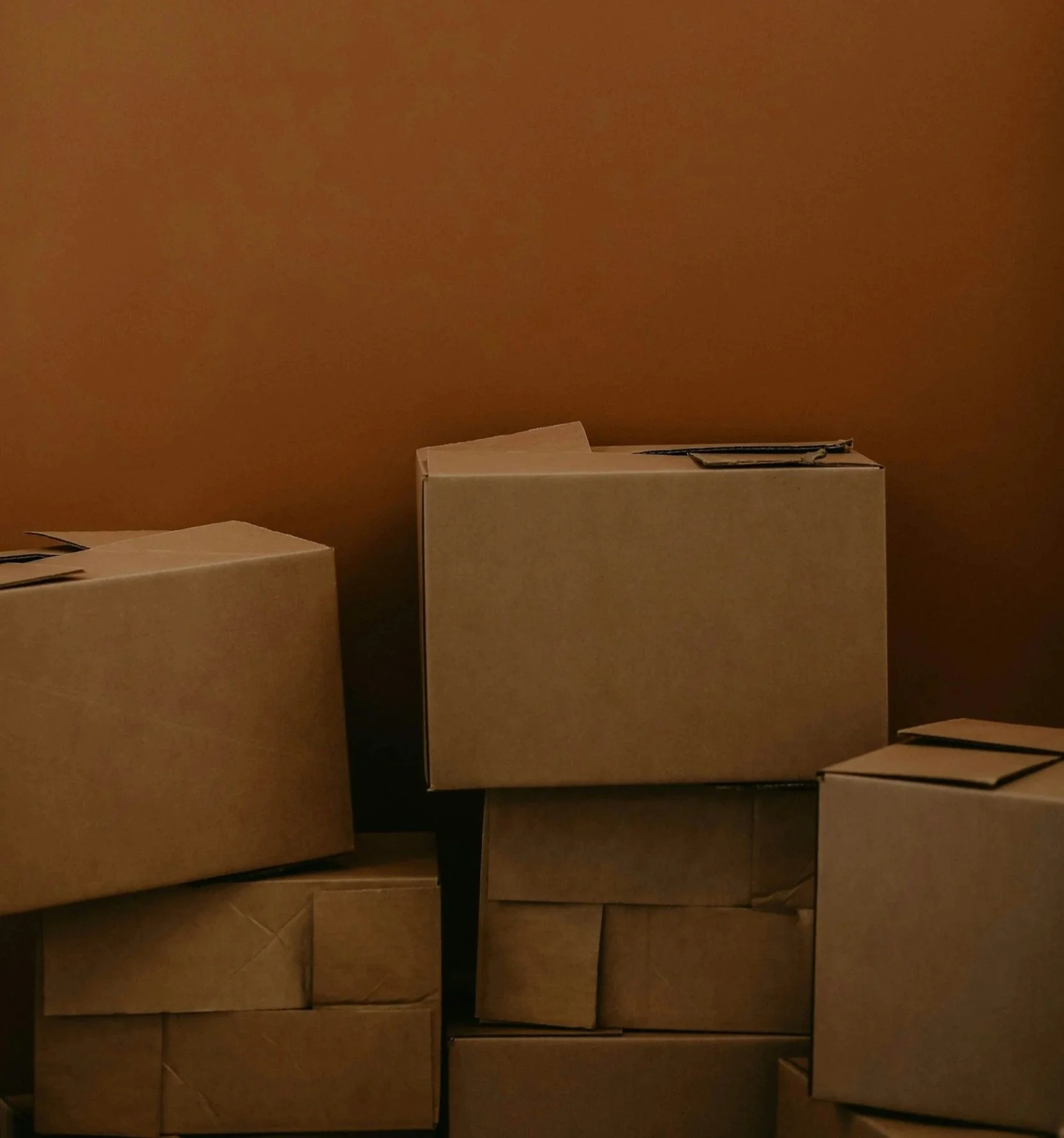
The real problem: packaging sprawl
Packaging SKU creep usually starts with good intentions. You add one carton for a special release, another for club shipments, a different insert for export, and before long your team is managing a patchwork of boxes, sleeves, dividers, and tape-heavy workarounds.
That creates friction everywhere. It slows training, increases the chance of mistakes, takes up more storage space, and makes it harder to maintain a consistent brand experience across channels.
For wineries, the cost isn’t just operational. It also shows up in breakages, extra handling, wasted labour, and packaging that looks disconnected from the quality of what’s inside.
Why one system beats three
A cohesive packaging system gives you a simpler way to pack, store, and explain your product. Instead of teaching staff three different processes, you give them one reliable workflow that can flex across channels.
That matters when you’re dealing with seasonal pressure, casual staff, or a busy cellar door team trying to keep orders moving. It also matters when your customers expect the same level of care whether they buy a single bottle online, pick up a gift pack in person, or receive a mixed case through a club shipment.
The best systems do more than reduce admin. They help protect bottles properly, improve presentation, and make the whole operation feel more considered.
What rationalisation looks like in practice
Rationalising packaging SKUs doesn’t mean forcing every order into the same box. It means reducing unnecessary variation and choosing formats that cover more use cases with less complexity.
A smarter setup usually includes:
Fewer core cartons that work across multiple channels.
Protective sleeves or inserts that adapt to different bottle shapes.
Packaging that is quick to assemble without special training.
Materials that store flat and don’t eat up valuable space.
A consistent look and feel from cellar door to courier bag to export carton.
For wine brands, this often means moving away from a mix of generic boxes and one-off solutions toward a more deliberate system built around the bottles you actually ship most often.
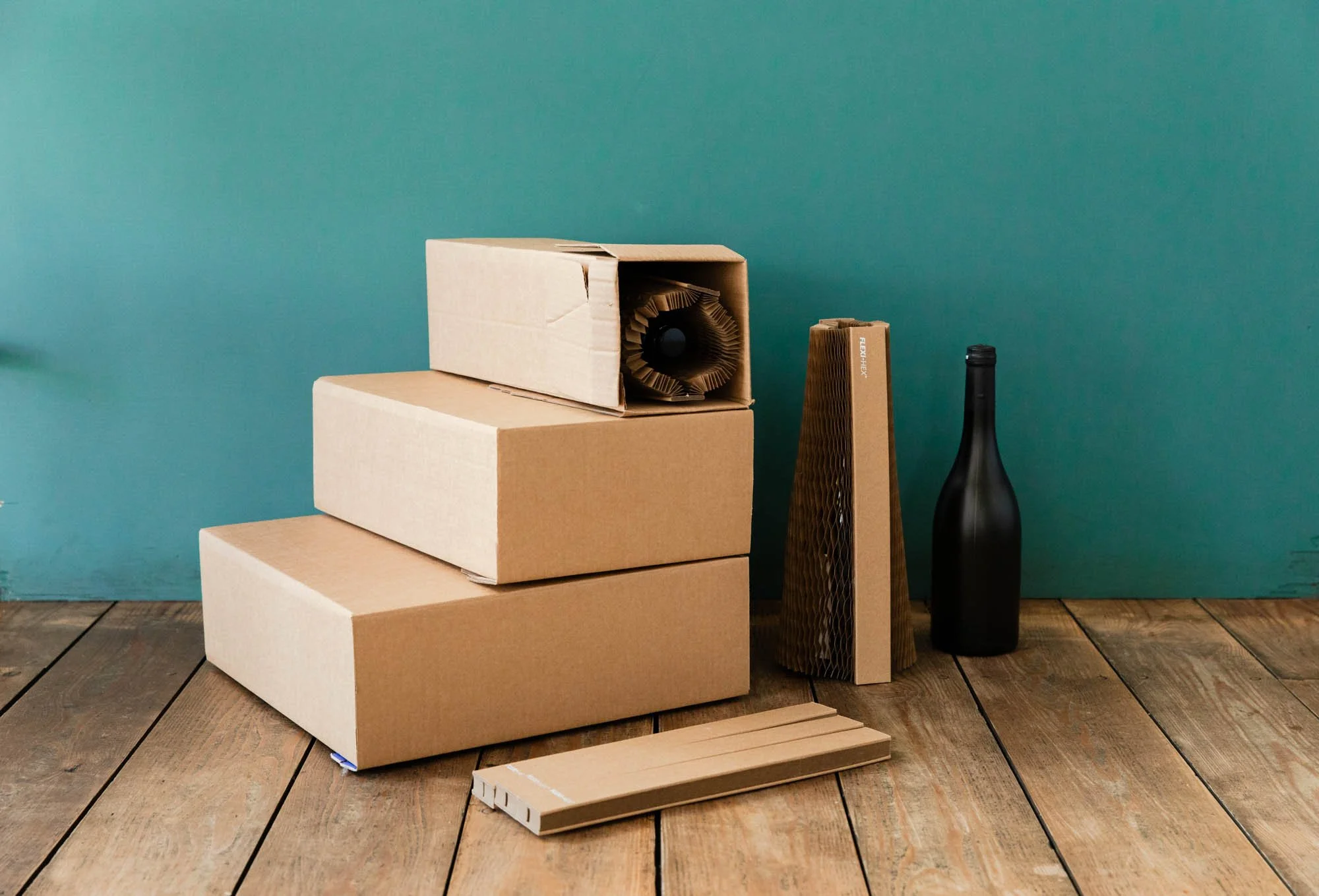
Why Flexi-Hex fits this brief
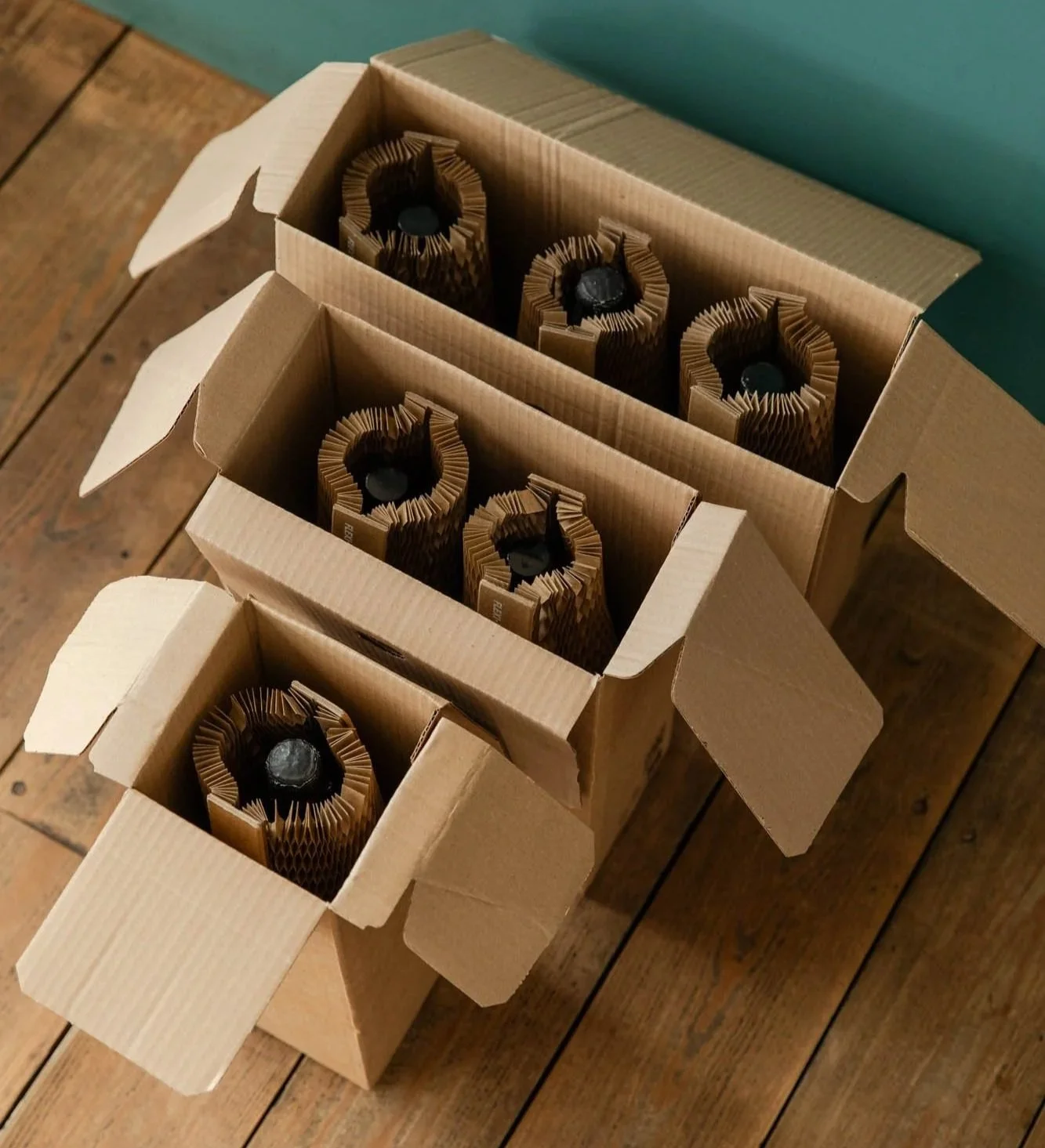
Flexi-Hex is well suited to wineries that want to simplify without downgrading. The honeycomb paper sleeves adapt to the bottle, helping reduce movement in transit, while the box formats can be chosen to suit different order types without rebuilding your whole pack bench.
Because the system is paper-based, plastic-free, and made for practical use, it supports both the operational and brand side of the business. You get a cleaner process for staff and a better unboxing experience for customers.
Just as importantly, Flexi-Hex can help reduce the need for multiple packaging suppliers and overly specific SKUs that only solve one small part of the problem. That makes it easier to standardise, train, and scale.
Questions to ask before adding another box
Before you introduce a new packaging SKU, ask:
Does this solve a real packaging problem, or just a one-off edge case?
Can an existing format cover this use case with a small adjustment?
Will this make training easier or harder?
Does it improve protection, presentation, or efficiency?
Is it adding value across channels, or just adding clutter?
If the answer to most of those is no, the SKU probably doesn’t belong in your system.
A better way to think about packaging
The goal is not to have the most packaging options. The goal is to have the fewest possible packaging decisions.
A well-rationalised system gives your winery a cleaner operation, a more consistent brand experience, and less time wasted on packing workarounds. It also makes it easier to grow without letting complexity pile up in the background.
For wineries shipping across cellar door, e‑commerce, and export, that kind of simplicity is worth a lot.
If your packaging setup has become too fragmented, we can help you simplify it. Talk to Woodhill Distribution about building a Flexi-Hex system that works across your core wine channels without the SKU overload.
