
How better bottle protection cuts your cost-to-serve
A broken bottle is never just a broken bottle.
For a winery, distillery or premium drinks brand, one damaged delivery can mean written-off product, replacement freight, packing time, a customer-service conversation and a disappointed customer. If the order was a gift, a wine-club shipment or a first purchase, the impact on your brand can be bigger still.
That is why wine bottle packaging is a cost-to-serve decision, not simply a line item on a procurement spreadsheet.
You want packaging that actually keeps bottles intact, so damage claims drop and your team can focus on making and shipping wine instead of apologising for breakages. Strong, right-sized protection is one of the simplest ways to claw back margin in last-mile delivery.
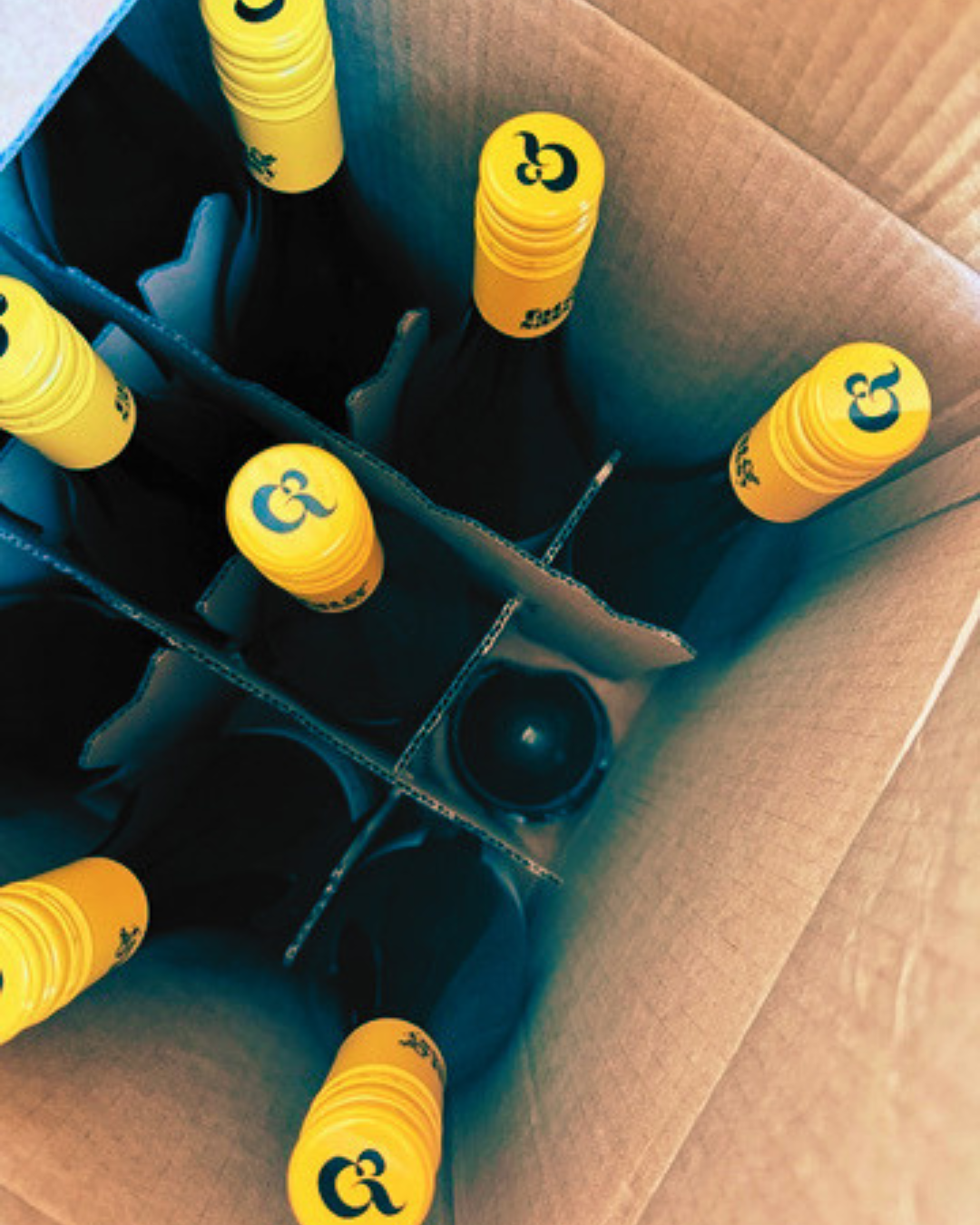
What does a broken bottle really cost?
The obvious cost is the wine itself. But the real cost of a damaged order usually includes much more:
The bottle, label, carton and packaging materials
The original pick, pack and dispatch labour
Credit, refund or replacement administration
A second picking and packing cycle
Replacement freight to the customer
Time spent responding to emails or calls
The risk of losing repeat business or wine-club confidence
For a small winery team, that operational drag matters. The person dealing with a damage claim may also be the person managing cellar-door orders, coordinating freight or preparing the next club dispatch.
And when damage happens regularly, it becomes normalised: more spare stock held back for replacements, more “fragile” labels, more bubble wrap, more awkward void fill and more time spent hoping a carton makes it through the network intact.
That is not an efficient fulfilment model. It is a margin leak.
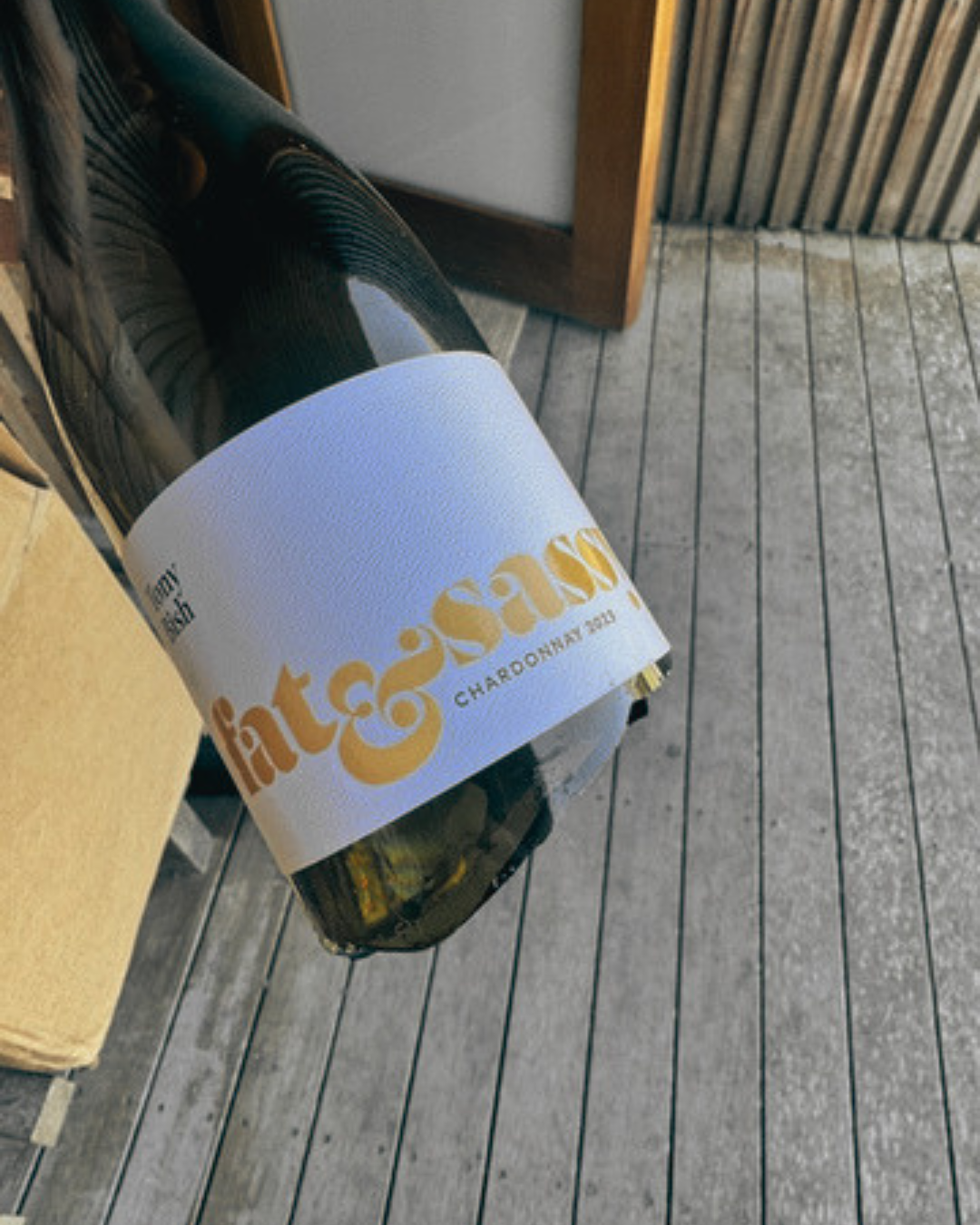
Why last-mile delivery exposes weak packaging
Standard wine cartons are often designed for storage or pallet movement, rather than the reality of parcel freight. Once a shipment enters a courier network, it can be stacked, tipped, vibrated, compressed and handled several times before reaching the customer.
“Fragile” stickers may help communicate intent, but they are not a protection system.
The real question is: what happens inside the box when it is knocked, dropped or placed on its side?
If bottles can move, rattle against each other or strike the carton walls, the risk of chipped necks, cracked glass and damaged labels increases. Oversized cartons can make the problem worse by leaving empty space around the bottle. Filling that space with loose materials may add packing time and still fail to keep the bottle properly secured.
Better bottle protection starts by controlling movement, not just adding more material.
Right-sized protection: less movement, less waste
A right-sized packaging system is designed around the bottle and the shipping format you actually use.
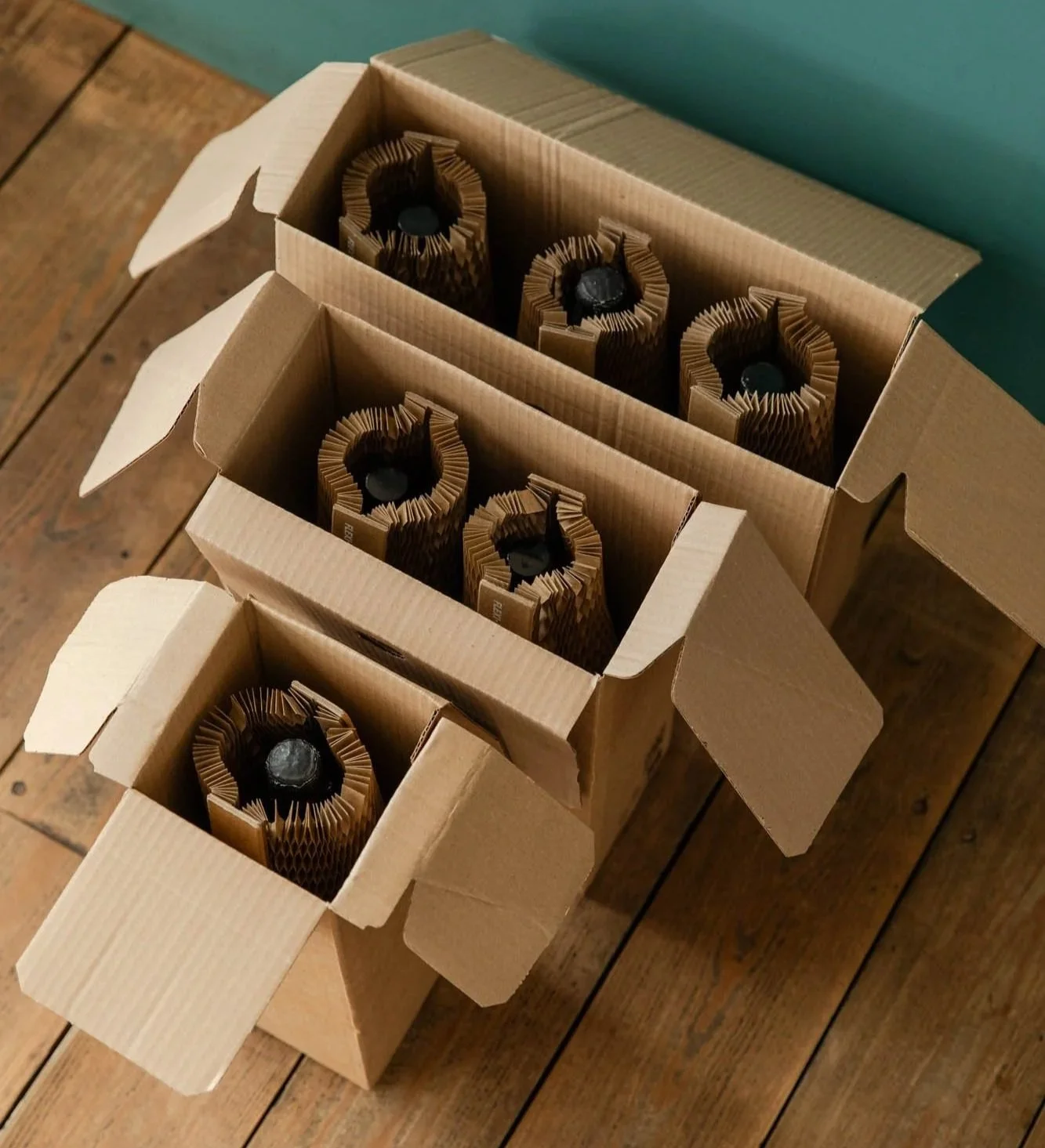
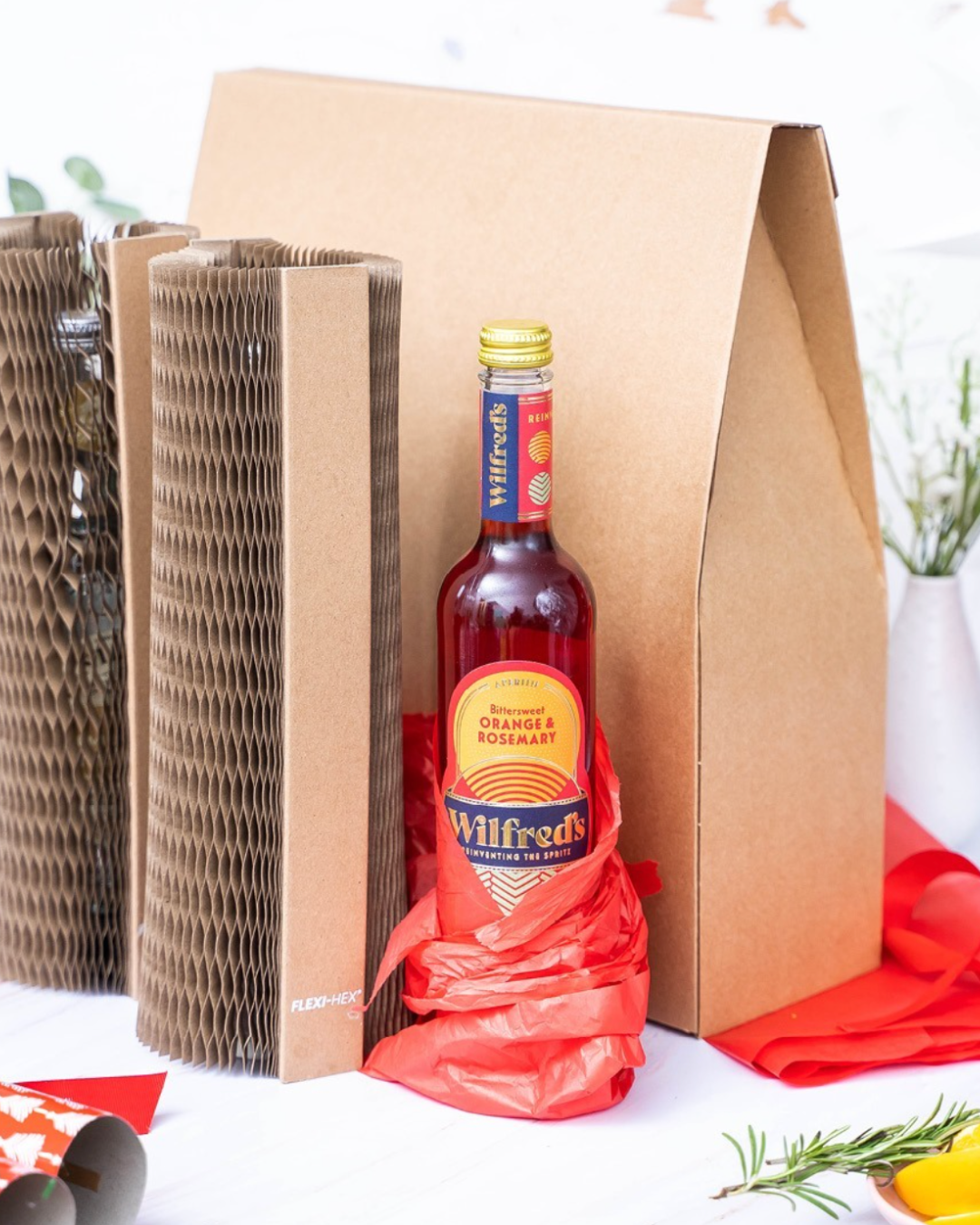
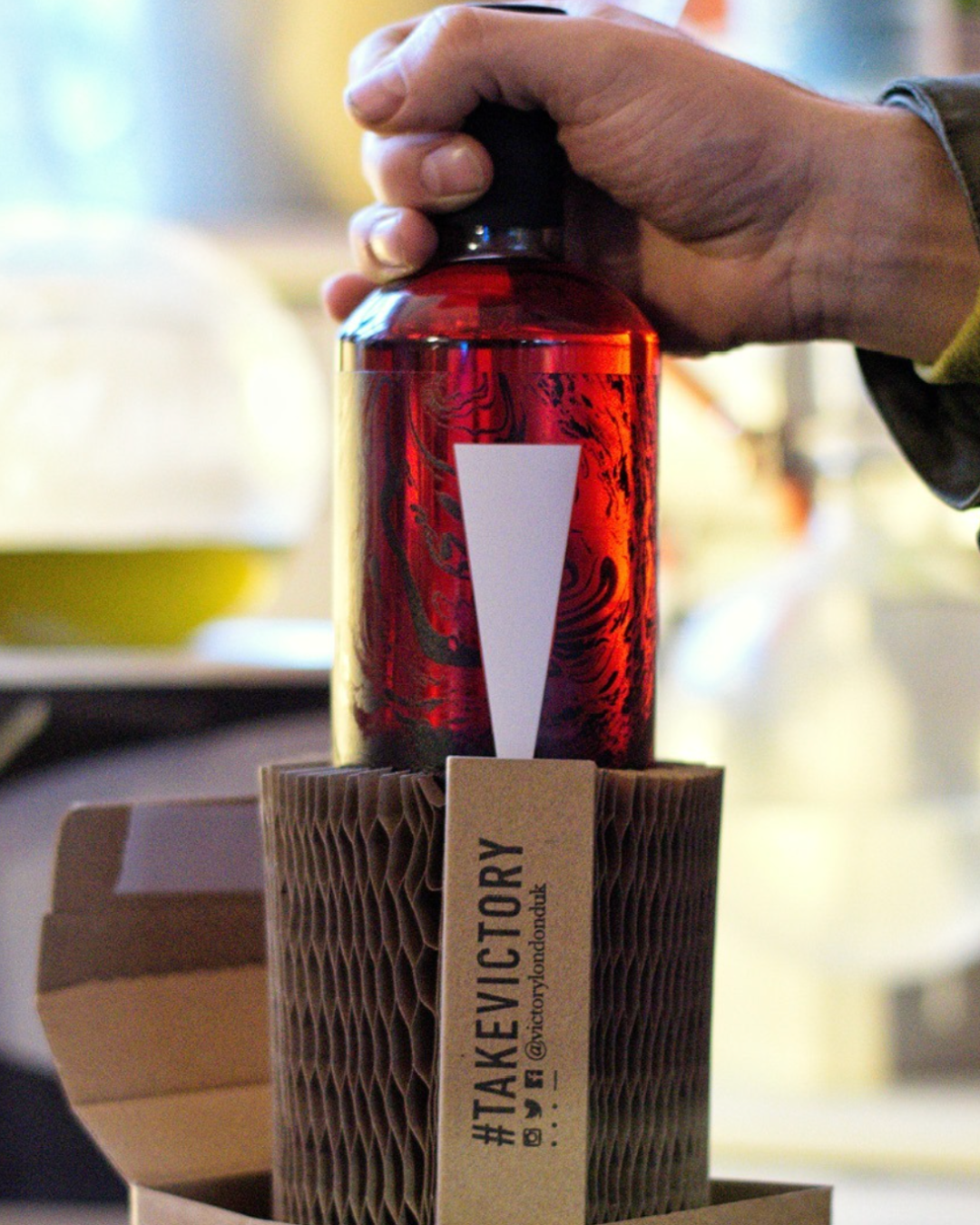
With Flexi-Hex, a honeycomb paper sleeve expands around the bottle to create a close protective fit. Paired with a purpose-designed outer carton, the sleeve helps keep the bottle secure within the box rather than allowing it to float among loose void fill.
That approach can help wineries and drinks brands:
Reduce bottle-to-bottle contact in multi-bottle orders
Minimise empty space inside the carton
Create a more consistent packing process for the team
Use fewer separate protection materials
Present bottles more neatly when the customer opens the box
Flexi-Hex bottle packaging is available across single, two, three and six-bottle formats, allowing businesses to match protection to common DTC, wine-club, gifting, trade-sample and larger dispatch requirements.
The point is not to over-package every bottle. It is to use enough of the right protection, in the right carton, for the route and order type.
Better packaging reduces more than breakage claims
Damage reduction is usually where the financial case begins. But it is rarely where it ends.
Fewer resends and fewer duplicate freight costs
When a bottle breaks, you often pay for last-mile delivery twice. You have already paid to send the first order, then you pay again to put the replacement in the customer’s hands.
Strong bottle protection helps reduce the number of avoidable replacement cycles. That means fewer emergency dispatches, fewer courier bookings and less stock disappearing into the cost of putting things right.
Faster, cleaner packing
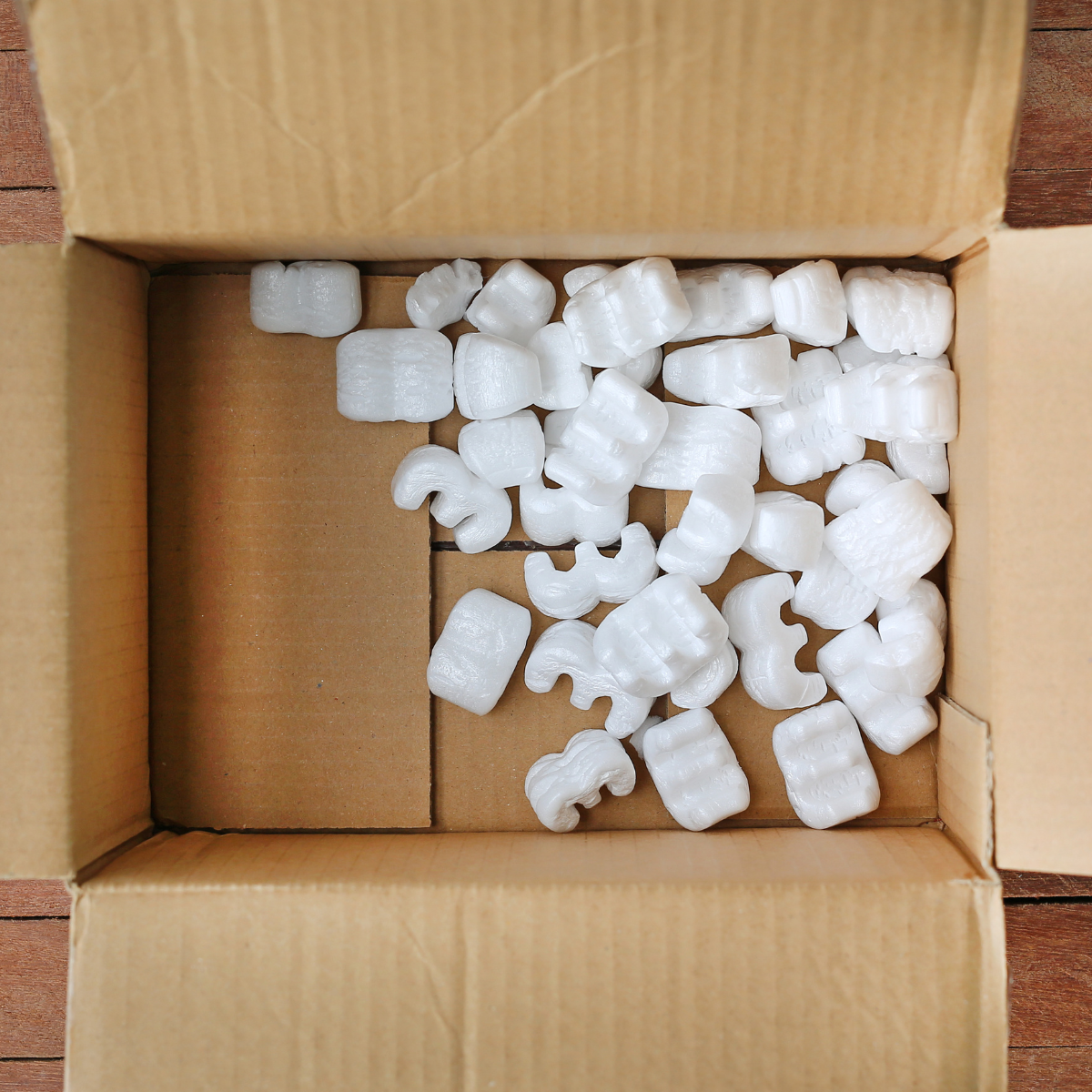
Bubble wrap and loose-fill materials can work, but they create variation. One packer may use too little, another may use far too much. Rolls, bags and offcuts take up space and make it harder to create a repeatable packing station.
A sleeve-and-box system gives your team a clearer process: sleeve the bottle, place it in the correctly sized carton, close and dispatch. Flexi-Hex box formats include designs that secure the bottle inside the carton, while several formats use self-sealing closures to reduce the need for additional tape.
For busy cellar-door teams and lean e-commerce operations, fewer materials and fewer decisions at the bench can make dispatch days easier to manage.
Lower exposure to volumetric freight
Freight providers often charge according to a parcel’s dimensions as well as its weight. Oversized cartons, excessive void fill and bulky protective materials can increase the space each shipment takes up — and potentially the cost of moving it.
Right-sized wine shipping boxes help reduce unnecessary empty volume. The result may be a more efficient parcel profile, particularly for regular DTC and wine-club orders.
Every freight contract is different, so it is worth comparing your current carton dimensions, order mix and freight charges before making a financial claim. But the principle is simple: do not pay to ship air if you do not have to.
Protection should still look like your brand
Premium wine deserves better than a box full of plastic.
A customer opening a cellar-door order, gift bottle or club shipment should feel the same care that went into the wine itself. Bubble wrap, air pillows and loose-fill can make an order feel generic and over-packed, even when the bottle arrives safely.
Flexi-Hex uses paper honeycomb sleeves that create a more considered presentation around the bottle. The material is made from recycled paper, plastic-free and kerbside recyclable, giving customers a simple end-of-life pathway in New Zealand.
That matters because packaging is often the first physical interaction a DTC customer has with your brand after purchase. It should protect the bottle without undermining the story printed on the label.
How to assess your current cost-to-serve
Before changing packaging, start with a practical review of your current dispatch process. You do not need a complex model. You need a realistic picture of where damage and packing friction are costing you.
Track these measures over a defined period:
Number of damaged wine orders by shipment type
Cost of product written off or replaced
Freight cost for replacement orders
Staff time spent managing damage claims
Current carton sizes and packing materials used
Time required to pack a typical one, two, three and six-bottle order
Customer feedback on packaging and unboxing
Then ask: which shipment types create the most cost, frustration or risk?
It might be premium single-bottle gifts. It might be two-bottle club packs moving through regional courier routes. It might be trade samples where a damaged bottle creates a particularly poor first impression.
Start there. Trial a better-protected, right-sized format on the shipments where failure costs you most.
How to trial new wine bottle packaging without disruption
You do not need to redesign every shipping format overnight.
A sensible approach is to test Flexi-Hex on a small group of real shipments — for example, wine-club orders, staff gifts, media packs or a single DTC dispatch format. Record packing time, customer feedback and any damage outcomes, then compare those results with your existing method.
Woodhill Distribution can help match Flexi-Hex sleeves and box formats to your bottle shape, common order quantities and courier channel. For businesses looking for a more formal benchmark, selected Flexi-Hex bottle packaging systems have been independently tested to ISTA 3A, a recognised simulation protocol for parcel-delivery hazards such as drops, vibration and compression. That testing supports a more confident packaging decision, but real-world results will still depend on the complete pack configuration, product and freight conditions.
Protect the bottle. Protect the margin.
Wine businesses put serious care into what goes inside the bottle. Your packaging should carry that same standard all the way to the customer’s door.
Better bottle protection can help reduce avoidable claims, replacement freight, packing complexity and the brand damage caused by a poor delivery experience. It also gives you a practical way to move away from plastic-heavy protection without compromising on presentation.
If breakages, bulky cartons or messy packing materials are costing your team time and margin, it is worth reviewing the system — not just buying more of the same materials.
Talk to Woodhill Distribution about trialling Flexi-Hex bottle packaging for your wine shipments. We can help you identify the formats that suit your bottles, dispatch volumes and delivery channels.
