
Turning Your Packaging into Shareable Unboxing Content
Turning your packaging into shareable unboxing content isn’t about adding gimmicks or stuffing more material into the box. It’s about designing a pack that protects what’s inside, looks premium on camera, and disappears gracefully once the video is over.
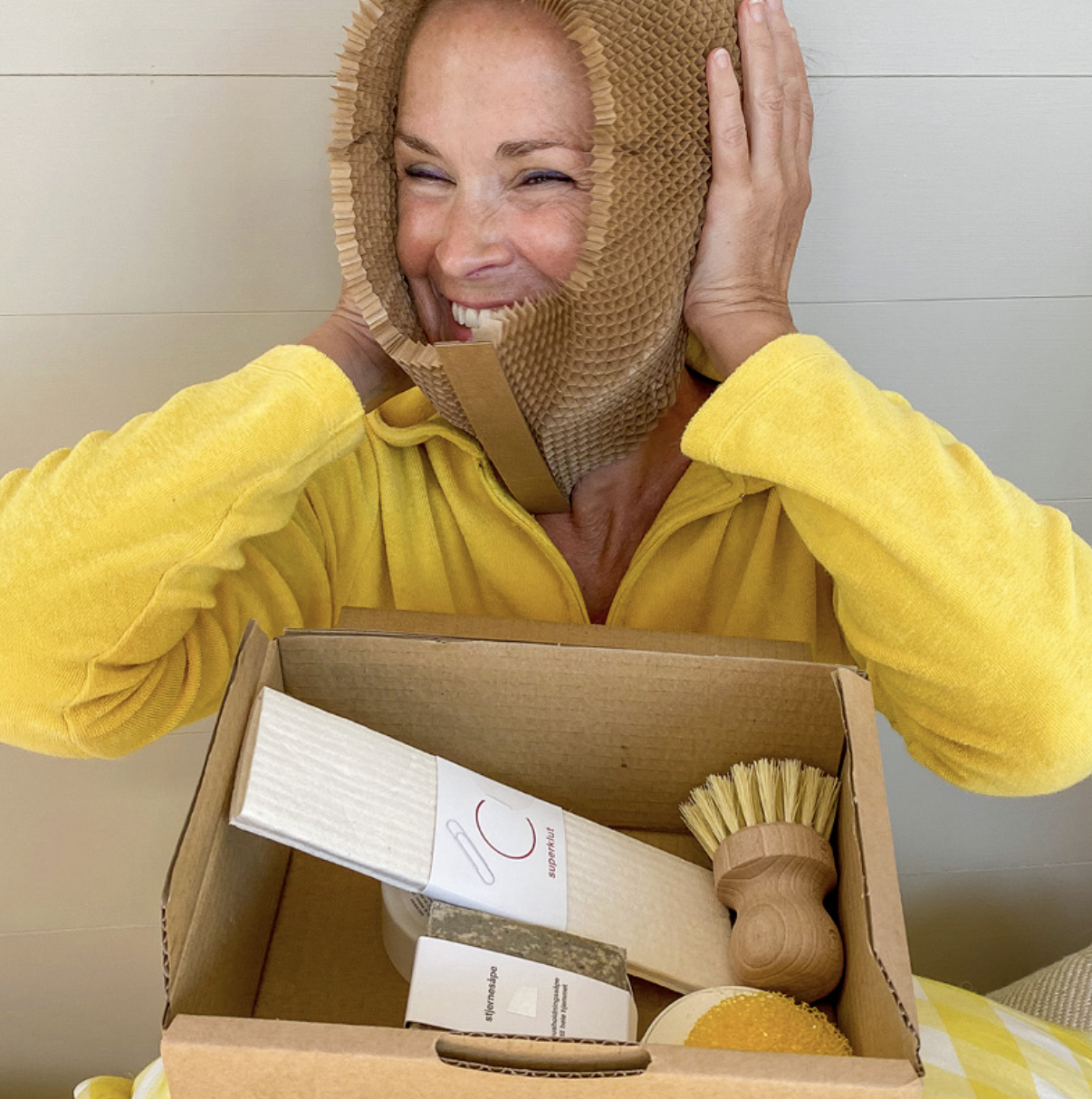
Why unboxing moments matter for NZ brands
If you’re a winery, distillery, beauty brand, or premium e‑commerce retailer, every doorstep delivery is already a mini event. When customers film that moment for Instagram, TikTok, or YouTube, your packaging becomes the stage – and that stage can either amplify your story or quietly undermine it.
Unboxing videos work because they show the full journey: the outer carton arriving, the tear strip opening, the first glimpse of honeycomb paper or a printed inner flap, and finally the product itself. For NZ brands, where budgets are tight and freight is expensive, these organic clips are some of the cheapest marketing you can get – they turn logistics and packaging into content you didn’t have to pay an agency to produce.
What “shareable” packaging really looks like
The most shareable unboxing moments are usually the least wasteful. Customers don’t want to wade through layers of bubble wrap and foam to find your bottle or jar; they want a clean, intentional reveal that feels aligned with your sustainability story.
Shareable packaging tends to have a few consistent traits:
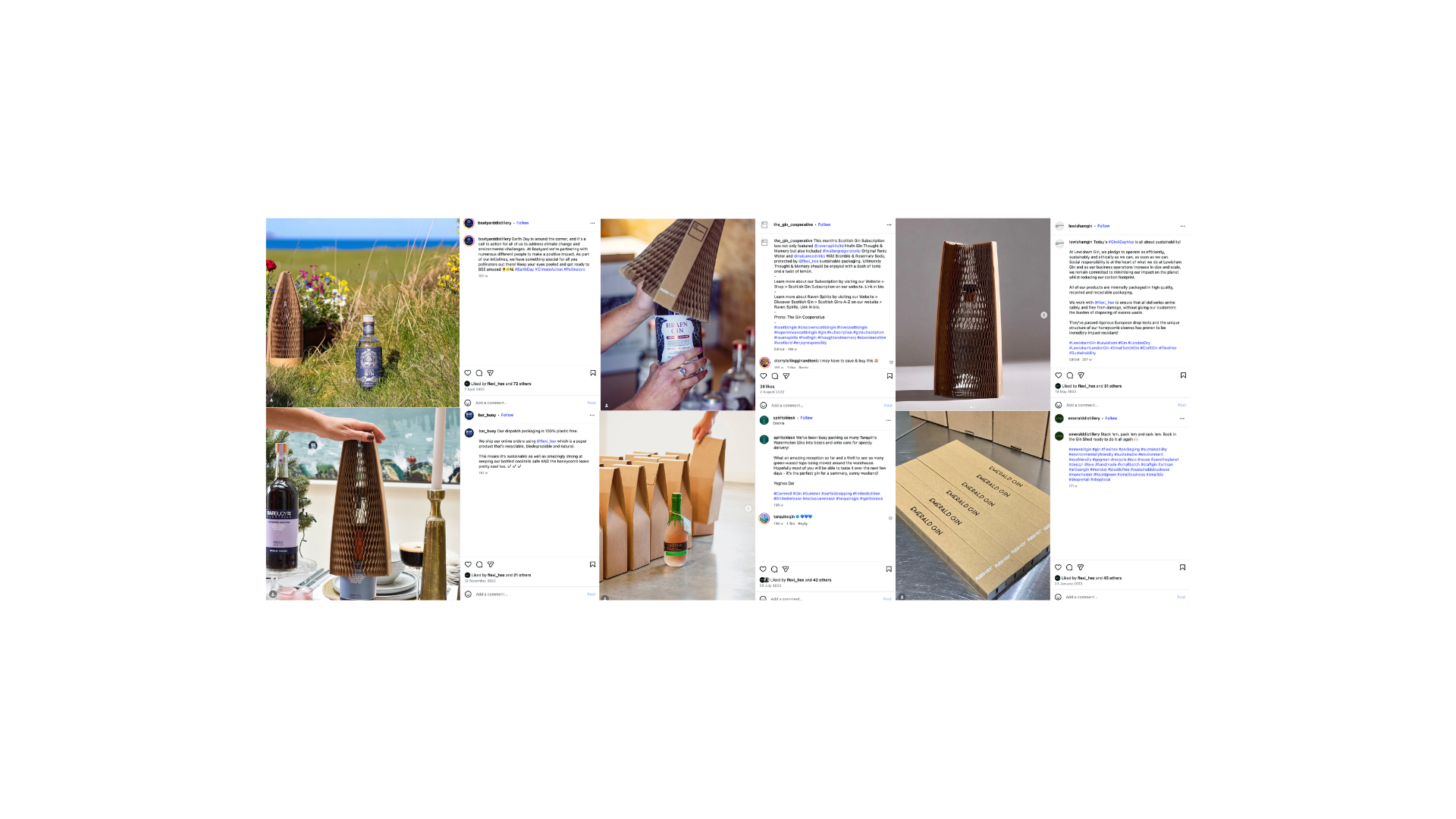
Distinctive but simple materials: Honeycomb paper sleeves like Flexi‑Hex create a recognisable pattern that looks good on camera while cradling glass and protecting it in transit.
Clear sustainability cues: Kerbside‑recyclable, plastic‑free materials send a visible signal that you’ve thought about waste, without forcing the customer to read a manifesto on the lid.
Tidy, engineered unboxing: Tear strips, printed inner flaps, and a short note or tasting card tucked in a predictable place make the act of opening the box feel deliberate rather than improvised.
Right‑sized cartons: Packaging that fits your bottles, jars, or products snugly reduces in‑box movement, looks better when opened, and avoids the “small product swimming in a big box” moment that customers are unlikely to share.
In beauty and specialty food, we already see founders collaborating with influencers to showcase Flexi‑Hex sleeves in real unboxing reels, before‑and‑after packaging upgrades, and “how it works” clips. The distinctive honeycomb texture and plastic‑free credentials make the packaging itself worth talking about, not just the product.
How to design packaging that earns unboxing content
If you’re imagining your customers filming unboxing videos that celebrate both your product and your packaging, you can reverse‑engineer that outcome into design decisions.
Start at the doorstep: Ask what the first frame of a video looks like – is it a plain brown carton, or a branded outer with a simple message, logo, or icon that hints at what’s inside?
Plan the sequence: Engineer a clear order of operations – open strip, fold back flap, reveal honeycomb sleeves, lift out bottle or jar – so every customer’s video follows roughly the same arc.
Make sustainability visible but not preachy: A short line about recycled paper or plastic‑free protection inside the lid, plus the material itself, is usually enough; viewers can see the credentials and connect the dots.
Minimise loose, messy materials: Ditch foam peanuts, excess tissue, and oversized void fill in favour of structural protection that looks neat even after transit.
Align packaging aesthetics with your brand: If your labels and website feel premium, the pack should too – consistent colour, typography, and tone make the whole experience more share‑worthy.
For wineries and distilleries, this might mean pairing Flexi‑Hex bottle sleeves with right‑sized single‑bottle or 2‑pack shippers and a printed inner flap carrying tasting notes or origin details. For beauty founders, it usually looks like honeycomb sleeves around glass jars, a minimal printed mailer, and a simple card explaining how to recycle or compost the packaging.
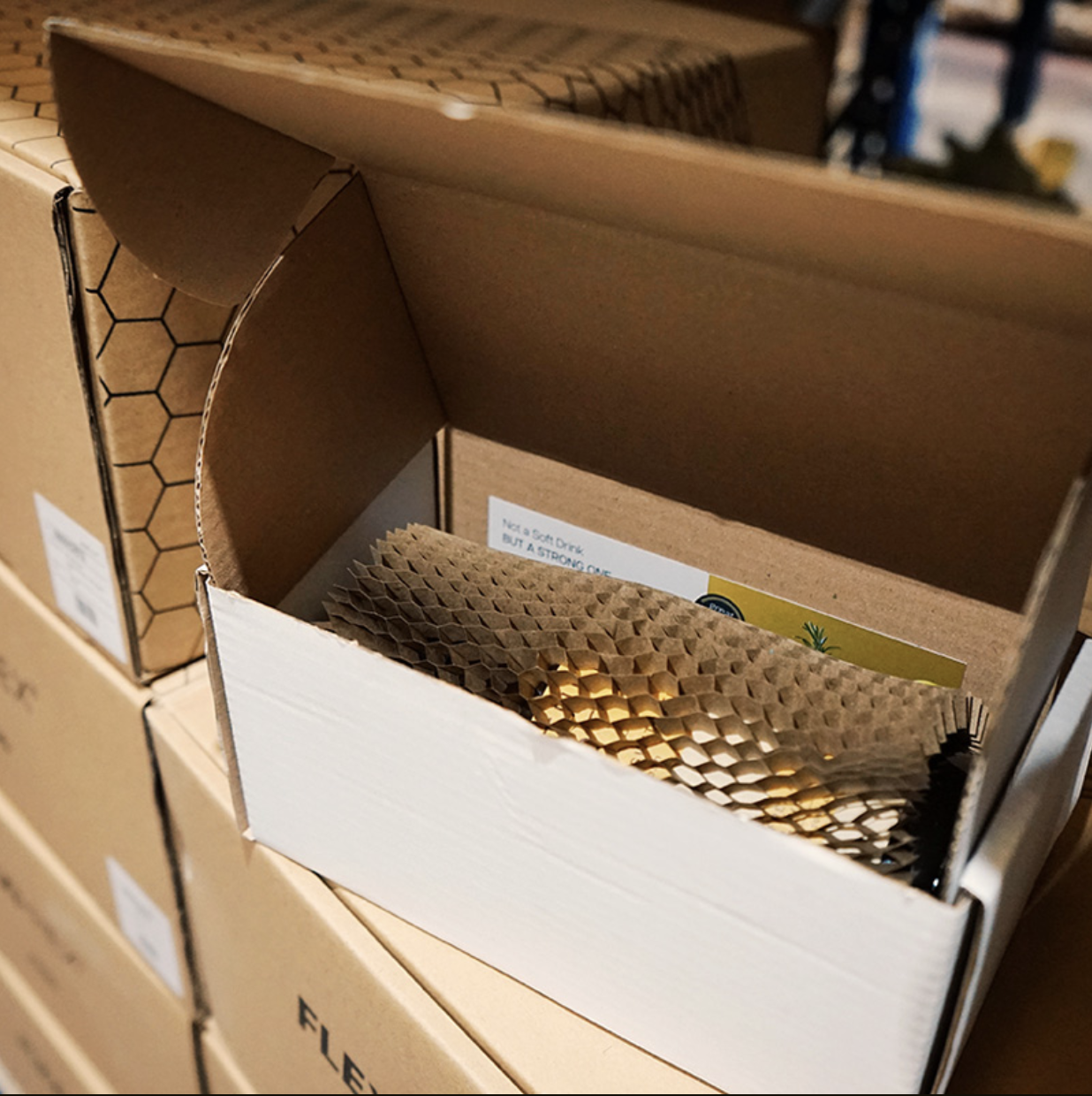
Turning every shipment into potential content
You don’t have to chase influencers to turn packaging into unboxing content; you can quietly nudge your existing customers to share.
A few practical levers help:
Add a low‑friction prompt: A short line near the inner flap – “Share your unboxing and tag us” – gives permission without feeling pushy.
Make the moment photogenic: Clean layouts, intentional colour, and a distinctive protective element like Flexi‑Hex make the box camera‑ready even before the product appears.
Keep the waste pile small: When the packaging next to the product is mostly recyclable paper and a compact amount of material, the “after” shot looks considered rather than excessive.
Ensure protection matches presentation: Broken bottles or cracked jars kill unboxing content; tested systems like ISTA 3A‑certified Flexi‑Hex packs keep the moment about excitement, not damage or mess.
The brands that win on unboxing aren’t just lucky – they treat packaging as part of their marketing stack, not just a cost line in operations. In Aotearoa, where customer expectations around sustainability are high and freight realities are tough, packaging that can be both premium and low‑waste is a competitive advantage, not a nice‑to‑have.
Where Flexi‑Hex fits into shareable unboxing
Flexi‑Hex honeycomb paper sleeves and boxes are designed to deliver both protection and a distinctive visual moment. They’re made from recycled paper, plastic‑free, kerbside recyclable in NZ, and tested for courier and export shipments, so you’re not trading away performance to get aesthetics.
Across wine, spirits, beauty, electronics, and premium e‑commerce, brands using Flexi‑Hex report:
Reduced breakages and damage claims on glass and fragile items.
Cleaner, more premium unboxing experiences that customers notice and share.
Simpler packing processes, with sleeves and boxes that store flat and adapt to multiple products.
If you’re serious about turning your packaging into shareable unboxing content, the brief is straightforward: protect the product properly, make sustainability visible and honest, and design an opening sequence people actually want to film. That’s exactly the space Flexi‑Hex was built to operate in.
