
When Packaging Design Makes Your Bottling Line Work Harder
When packaging design fights your bottling line, you pay for it in slower fulfilment, higher labour costs, and more operational headaches than you need.
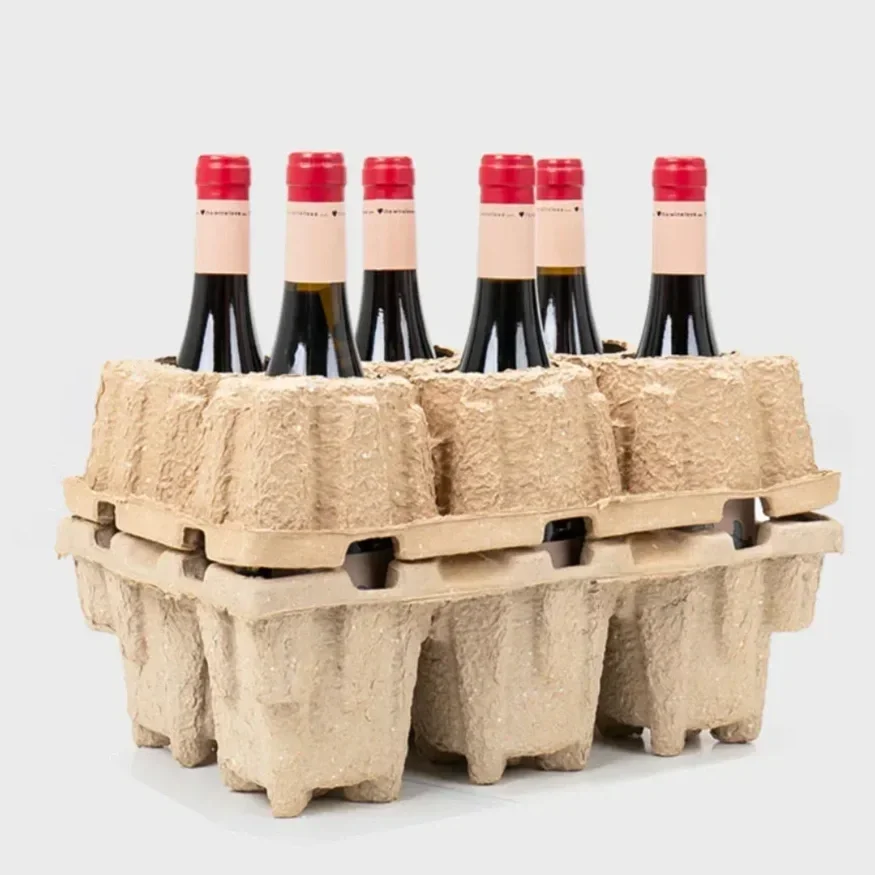
Why “clever” packaging can become a bottling problem
If you’re running a winery or distillery bottling line, you feel it the moment packaging starts asking your team to work harder than the machinery. Over‑engineered inserts, too many SKUs, and fragile designs that only work with careful hand‑packing all show up as lost minutes on the line.
Most beverage lines track performance using measures like Overall Equipment Effectiveness (OEE), which combines availability, performance, and quality into a single efficiency score. In case studies of high‑volume bottling lines, performance losses – including reduced speed and minor stoppages – often account for around a quarter of available time, even when downtime and defects are low. When your packaging is fiddly or inconsistent, it quietly feeds that performance loss through micro‑stops, manual adjustments, and extra handling each time you change formats or pack for a different channel.
The hidden costs of packaging that slows fulfilment
Most bottling teams feel the pain of slow packaging long before they see it in a spreadsheet.
Labour drag: If every bottle needs hand‑packed inserts, extra tape, or bubble wrap, you burn labour minutes that could be on production, quality checks, or cellar work instead. Those minutes stack up into real cost‑to‑serve per order, especially for DTC and e‑commerce channels.
Throughput loss: Packaging steps that require manual adjustment break the rhythm of the line, creating micro‑stops that chip away at your bottles‑per‑minute even when the actual bottling equipment is capable of far higher output.
Changeover complexity: Running multiple packaging SKUs for the same bottle – one shipper for trade, another for DTC, inserts for gifting – adds changeovers, re‑labelling, and retraining, all of which reduce effective line time.essay.
Damage risk: When protection relies on “perfect” packing, any shortcut or rushed shift increases the chance of cracked glass, scuffed labels, and leakers in transit, which trigger replacements, refunds, and another last‑mile cycle.
In NZ, where freight rates have risen and volumes are often smaller, every avoidable touchpoint matters more because you don’t have large‑scale economies to smooth out inefficiencies. Packaging that needs more time than a sensible bottling line can spare becomes a direct margin leak, not just an annoyance for your team.
What efficient packaging design looks like on the line
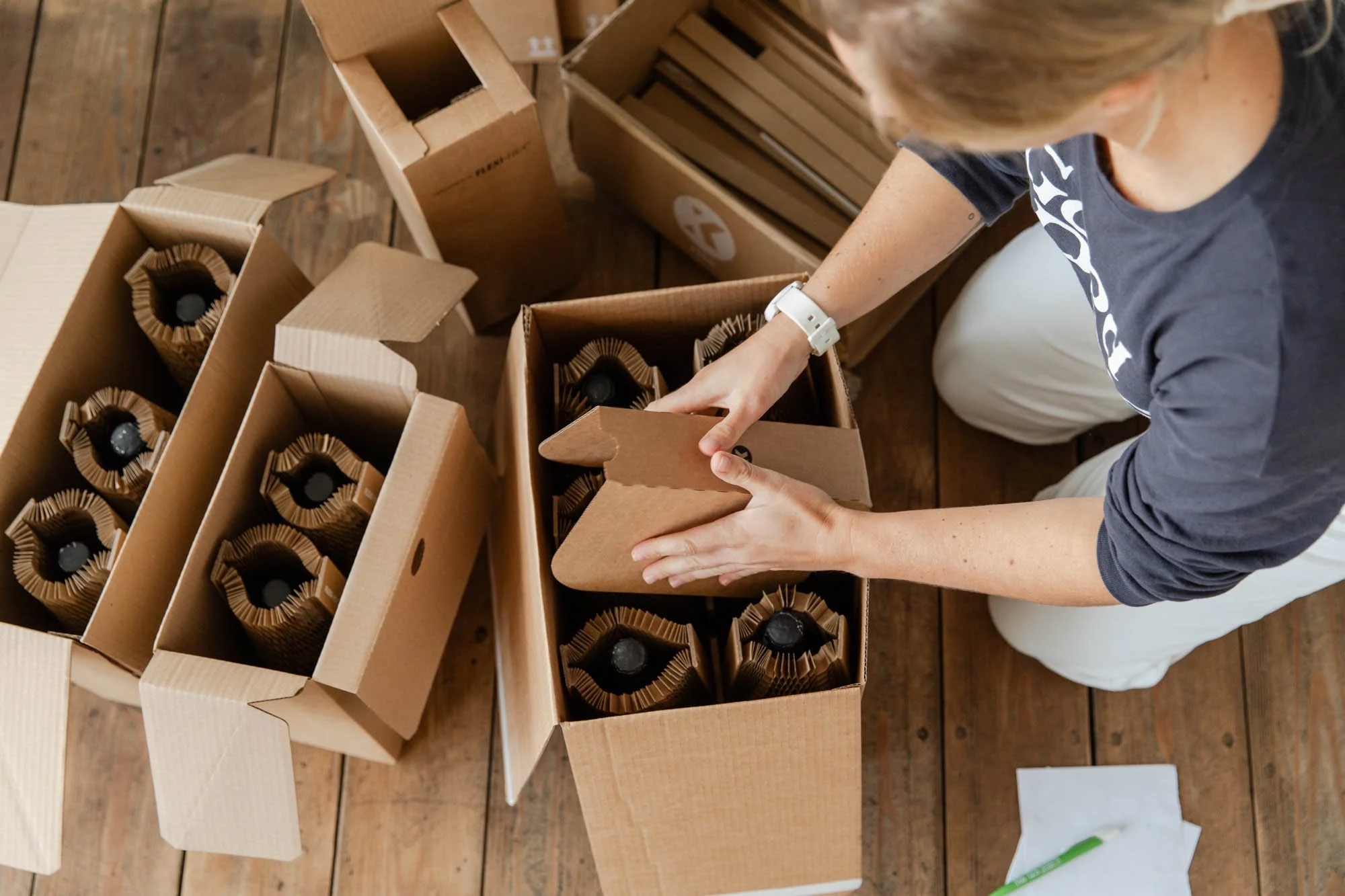
Efficient packaging isn’t just “simpler” – it’s designed to work with how a bottling or packing line actually runs.
Fewer SKUs, more coverage: Systems like Flexi‑Hex sleeves are designed to adapt to a range of bottle shapes and sizes, meaning one protective format can serve multiple products. That reduces SKU management, changeovers, and the risk of the wrong insert being used in a rush.
Fast, repeatable motions: Paper‑based honeycomb sleeves and purpose‑designed boxes can be packed in a small number of consistent steps – slide on sleeve, drop into box, close – instead of wrapping, taping, and improvising void fill. This keeps movements repeatable and easy to train, which is exactly what you want from a line‑side process.
Built‑in protection, not “afterthought” padding: When the protective element is part of the primary pack design, operators aren’t forced to make judgement calls under pressure about “just enough” bubble wrap or extra cardboard. That reduces micro‑decisions, speeds packing, and produces more consistent outcomes at the other end.
Right‑sized for freight: Packing designs that keep bottles locked in place while minimising empty space help reduce volumetric freight charges and avoid the “loose bottle in a big box” scenario that magnifies drop movements.
In practice, teams on busy winery and distillery lines report that when they move from improvised bubble wrap and mixed inserts to purpose‑designed paper sleeves and shippers, their packing speed improves while damage rates fall – a rare combination in operations.
How to tell if your packaging is making the line work harder
You don’t need a full engineering audit to see whether packaging is slowing your line; a short, honest review often reveals the key issues.
Count the touches: How many individual motions does an operator make per bottle to get it ready for shipment – sleeve, insert, wrap, tape, label? Anything beyond a handful of standardised steps is a candidate for simplification.
Track micro‑stops: Look for small pauses in the packing or labelling area: searching for the right box size, swapping inserts, fixing misaligned components, or re‑packing bottles that don’t sit securely. These don’t always show up in downtime reports but they erode performance all the same.
Map your packaging SKUs: List every box, insert, and protective material you use for each bottle and channel; if the list is long, your line is doing an extra layer of complexity that isn’t helping throughput.
Ask your operators: Operators usually know which pack formats they dread because they slow them down or require careful handling; their feedback is often the quickest route to your biggest packaging bottlenecks.
Once you’ve identified the friction points, you can start trimming them out by switching to packaging designed for line speed, not just shelf appeal.

Designing packaging that serves your bottling line
If you want packaging that protects your wine or spirits, looks the part, and doesn’t punish your bottling line, focus on a few practical design principles.
Make protection part of the structure: Use protective components – like honeycomb paper sleeves – that integrate with your boxes so operators aren’t building cushioning from scratch with loose materials.
Standardise where you can: Choose formats that work across your main bottle shapes so the line can run the same motions for cellar door shipments, trade samples, and DTC orders, with minimal adjustments.
Prioritise speed in trials: When testing new packaging, don’t just drop‑test for protection; time how long it takes a typical operator to pack a full case and compare it with your current set‑up.
Keep sustainability credentials clear and simple: Kerbside‑recyclable, plastic‑free materials that fit NZ recycling systems help you meet customer expectations without adding steps like sorting or extra labelling.
Design for unboxing, not just shipping: Premium paper‑based solutions can deliver clean, branded presentation that aligns with your label and story, without sacrificing line speed or protection in transit.
Done well, packaging becomes an ally to your bottling line – reducing stoppages, streamlining training, and making fulfilment easier to scale when demand spikes around vintage, Christmas, or a successful release.
If you suspect your packaging is making your bottling line work harder than it needs to, it’s worth testing a simpler, line‑friendly system. Woodhill Distribution is the official NZ distributor for Flexi‑Hex honeycomb paper sleeves and bottle boxes, with 1, 2, 3 and 6‑bottle formats held in local stock.
Send a short note or book a quick 15‑minute call and we’ll look at your current pack, run through where it’s slowing you down, and suggest Flexi‑Hex options that protect your bottles without punishing your team.
