
Stop shipping like a commodity: turning cosmetic packaging into a loyalty driver
For beauty founders, the gap between what customers expect and what most brands actually ship in is still huge. Your customers are buying more than a serum, cleanser, or face oil — they are buying the promise that it will arrive safely, look considered, and reflect the values you talk about in your branding every day.
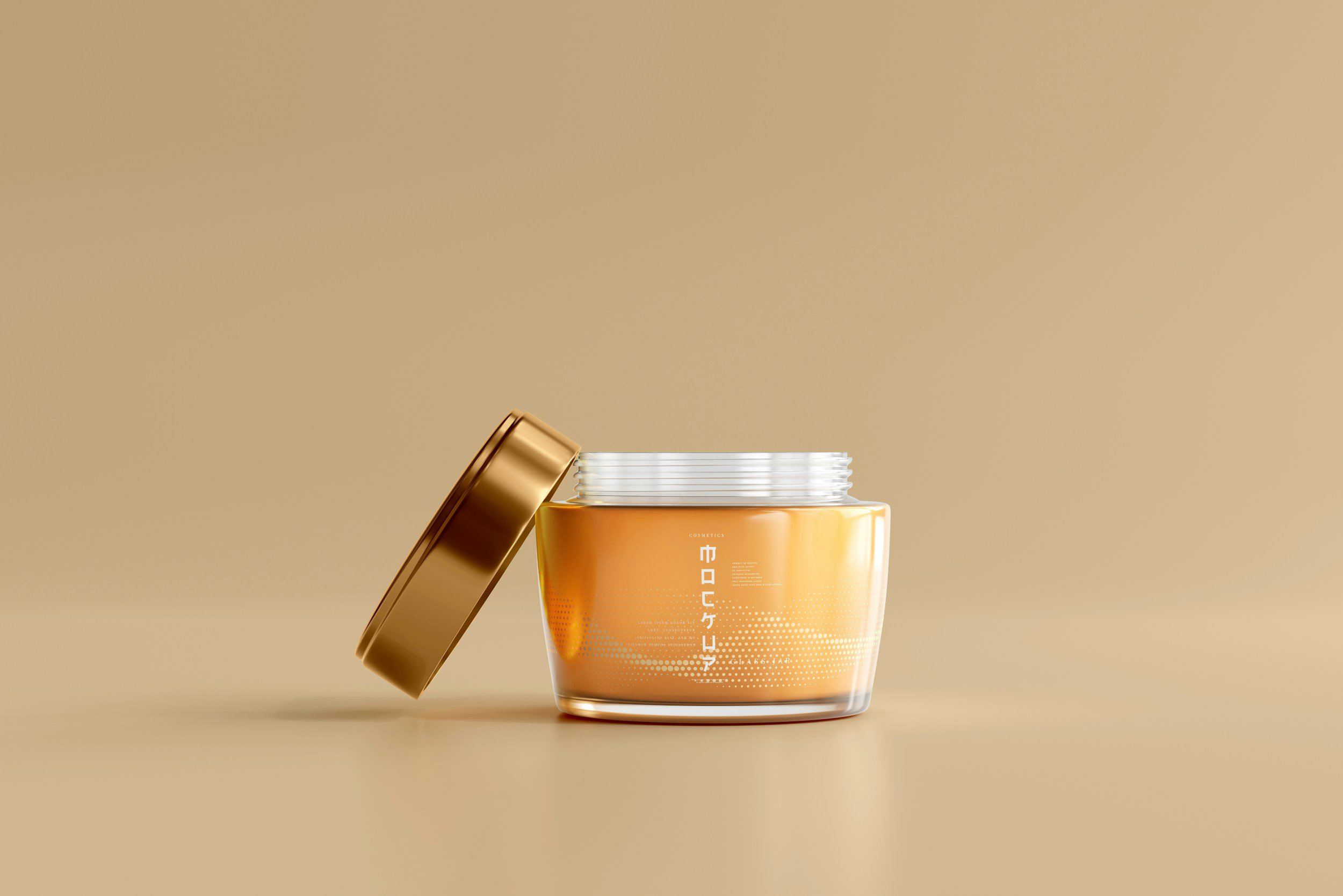
When a customer clicks “buy” on a natural skincare routine or glass‑bottled facial oil, they now expect three things as a baseline: protection that works for fragile glass, packaging that is easy to recycle at home, and an unboxing that feels aligned with the premium price they just paid. In the beauty category especially, they are looking for a fully plastic‑free journey from checkout to bathroom shelf, not just a “clean” ingredients list or a kraft label.
What customers expect vs what most brands ship in
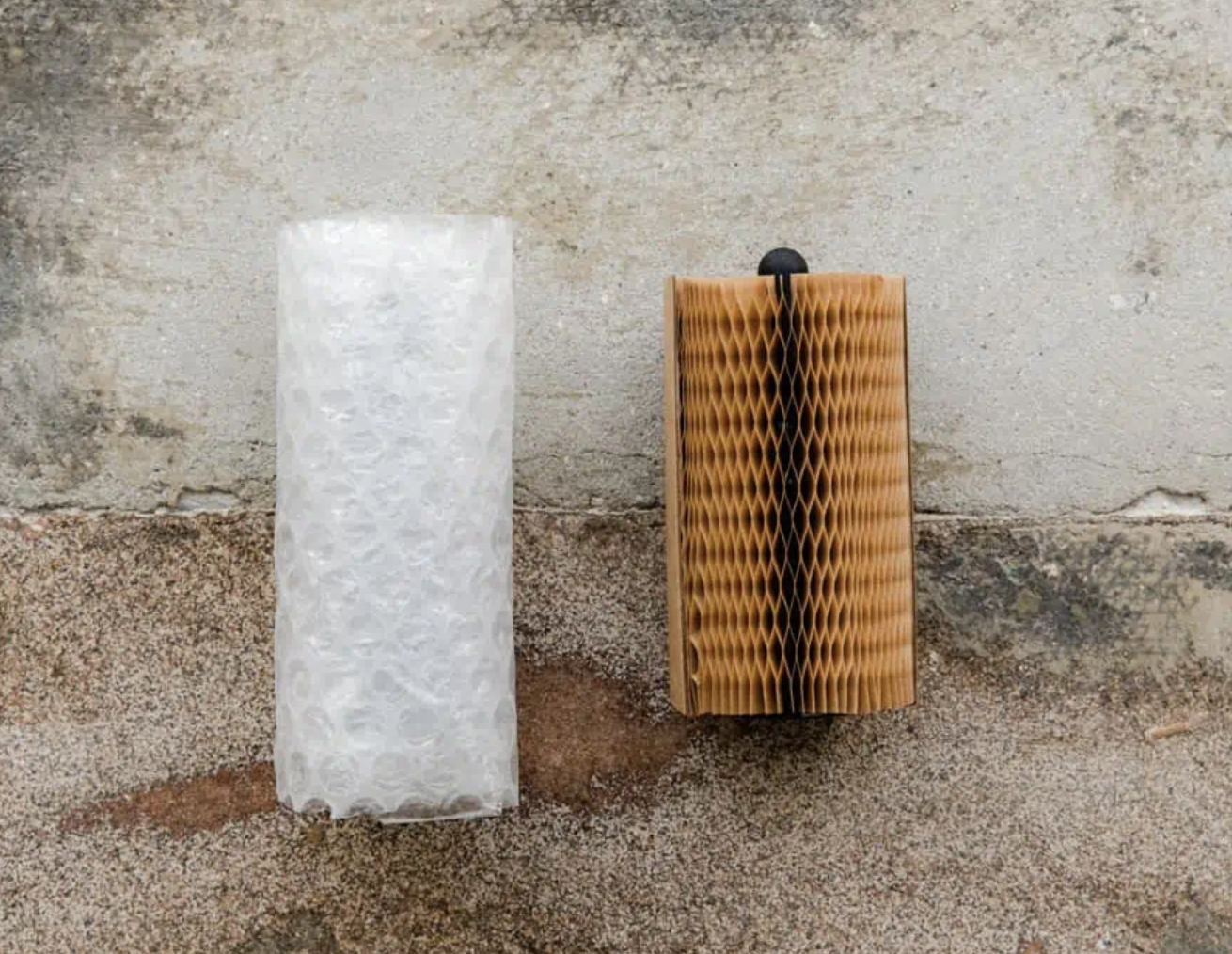
There is a clear mismatch between expectation and reality. Many beauty and skincare brands still rely on plastic sleeves, bubble wrap, and random boxes that were never designed to protect glass jars and bottles. Internally this can feel thrifty or pragmatic; to the customer it reads as messy, plasticky, and slightly off‑brand — especially when your marketing talks about being low‑waste and planet‑conscious.
The result is a fragile, inconsistent system. Bubble wrap and improvised cushioning are time‑consuming to use, hard to standardise across the packing bench, and often still lead to breakages in transit. Every cracked jar or leaking serum is more than a write‑off – it means a replacement order, another courier trip, extra customer service time, and a dent in the trust you have worked hard to build.
Why consistent cosmetic packaging presentation matters
Your customer does not experience your shipping in isolation. The same person who buys your glass‑jar moisturiser is also buying wine, wellness products, and other beauty brands online, then comparing those unboxings side by side in their minds. When your parcel turns up in a random box with mixed fillers, it is competing against brands that have turned cosmetic packaging into a small daily ritual.
Consistent, design‑led presentation — from product packaging through to outer shipper — reinforces that your brand is intentional, reliable, and worth recommending. For beauty founders, that consistency helps justify your price point and supports the story you are already telling on Instagram, with influencers, and in retail displays. It also makes it much easier for customers to share unboxings without cropping out the messy bits.
How beauty and wine learn from each other
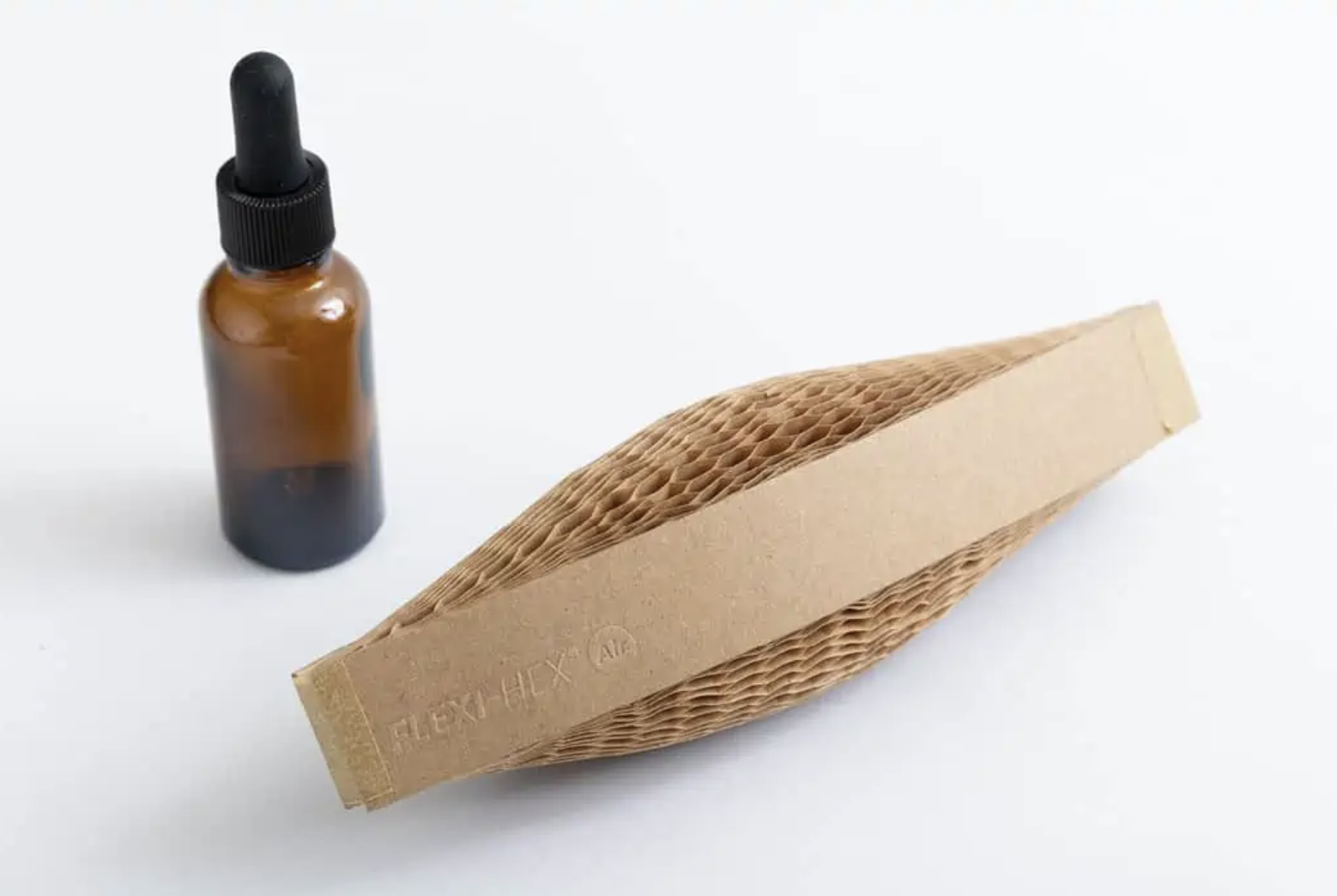
In categories like wine, premium brands are already using coordinated, paper‑based systems to protect bottles in transit and create gift‑worthy unboxing moments. Those same principles translate directly to cosmetic packaging: wrap the glass in a protective, brand‑aligned structure, then ship in a right‑sized carton that feels considered rather than improvised. Beauty buyers notice when that level of care shows up across everything they open.
Turning packaging from cost to experience lever
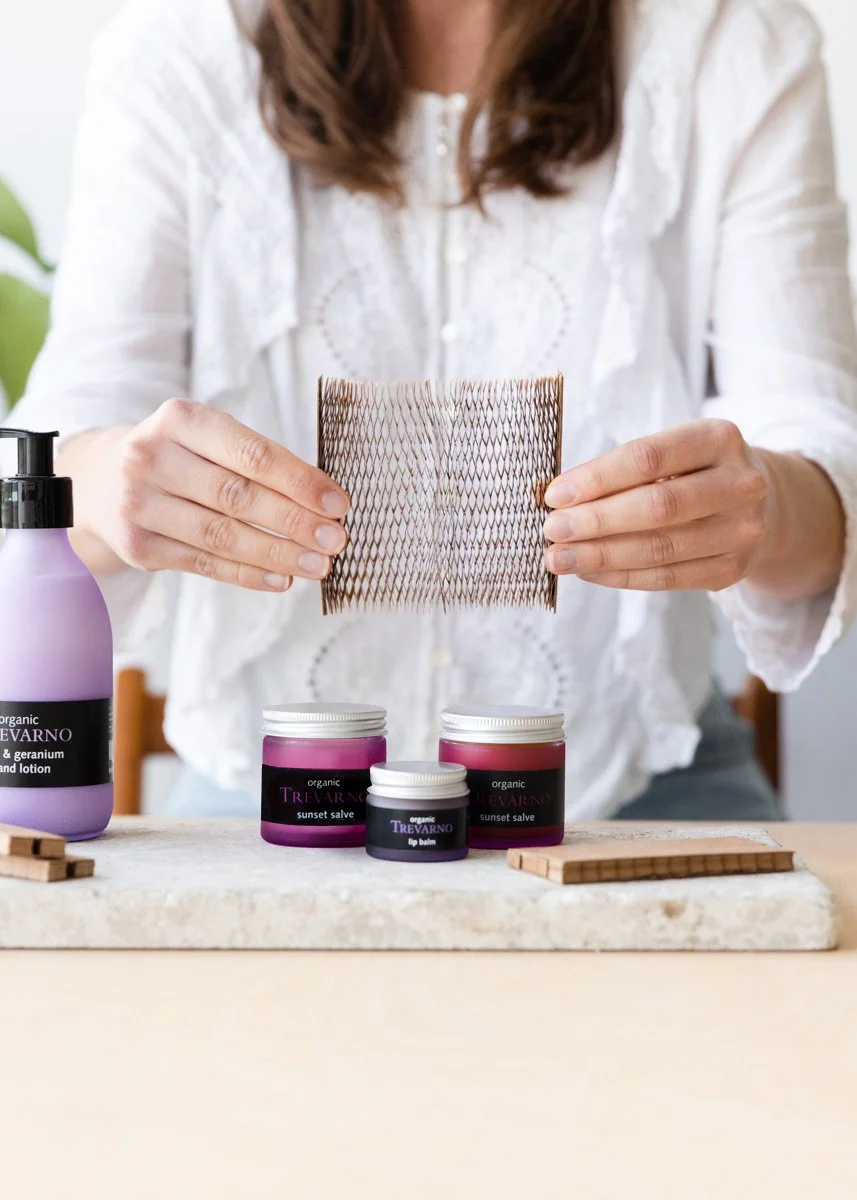
The shift many NZ beauty brands are making is to treat packaging not as a necessary evil, but as a lever for customer experience, cost‑to‑serve, and brand alignment. Honeycomb paper sleeves like Flexi‑Hex are designed specifically for glass jars and bottles, so they protect products more reliably while cutting back on bulky plastic and void fill. Because the sleeves store flat and expand around each product, they also simplify packing and reduce the number of different materials cluttering your bench.
This is where the business case becomes clear. Fewer damaged orders mean fewer refunds and resends, less staff time tied up in fixing issues, and fewer awkward conversations about broken items arriving in the mail. At the same time, you are giving customers the straightforward, kerbside‑recyclable paper packaging they already expect from a values‑led beauty brand in Aotearoa.
Loyalty, referrals, and the beauty unboxing story
Every order that leaves your studio is now a small piece of marketing. Customers share bathroom‑shelf shots, tag favourite brands in stories, and quietly notice which parcels arrived in clean, paper‑based packaging and which ones filled the bin with soft plastic. For beauty brands, that can be the difference between a one‑off “I’ll try this serum” purchase and a long‑term customer who recommends you to friends, posts un-boxings, and chooses subscriptions instead of shopping around.
When your cosmetic packaging experience is consistent, protective, and genuinely low‑waste, it sends a simple signal: this brand has thought things through. Over time, that confidence translates into higher repeat purchase rates, more organic referrals, and a stronger reputation in a crowded beauty landscape — not just in New Zealand, but alongside the best global beauty experiences your customers are comparing you to every day.
