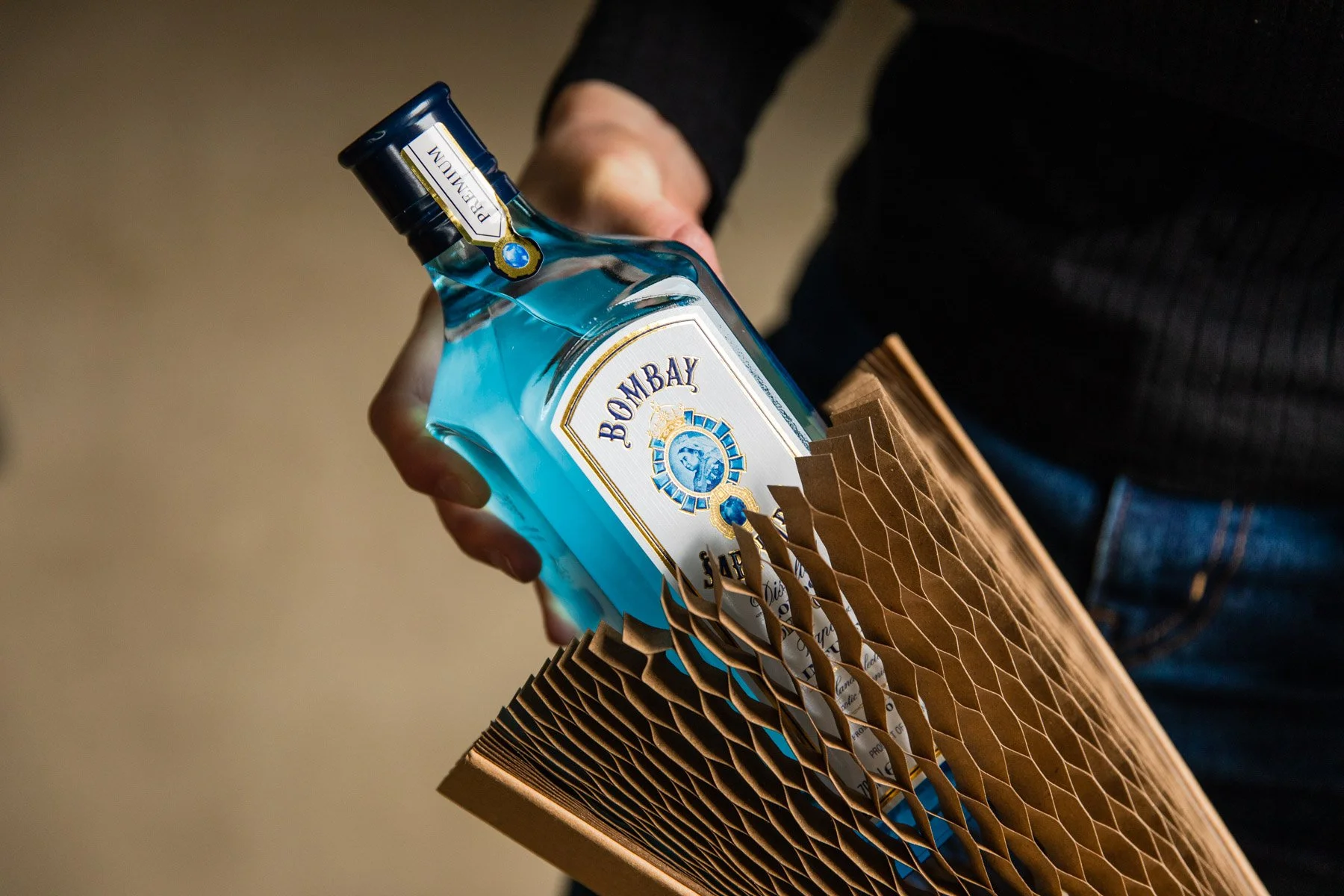
Unboxing as a trade tool: how distillery packaging earns you distribution conversations
For New Zealand's craft distillers, getting your bottles into the right hands — whether it's a premium retailer, export distributor, or hospitality buyer — often comes down to a handful of pitch moments. You've invested in recipe development, still work, and label design. But if your sample shipment arrives wrapped in bubble wrap or a generic carton, you've just undermined your premium positioning before the conversation even begins.
Packaging isn't just what protects your gin or whisky in transit. It's a silent brand ambassador that signals professionalism, reduces buyer concerns about breakage risk, and creates share-worthy moments that extend your brand reach beyond the tasting room. For distillers seeking trade exposure, retail listings, or export opportunities, distinctive sustainable packaging has become a strategic lever — not just an operational cost.
The pitch moment your packaging speaks for you
When you send a sample kit to a distributor, bartender, or buyer, you're competing for attention in a crowded inbox and an even more crowded stockroom. That first impression — the moment they open the parcel — tells them how seriously you take every detail of your brand.
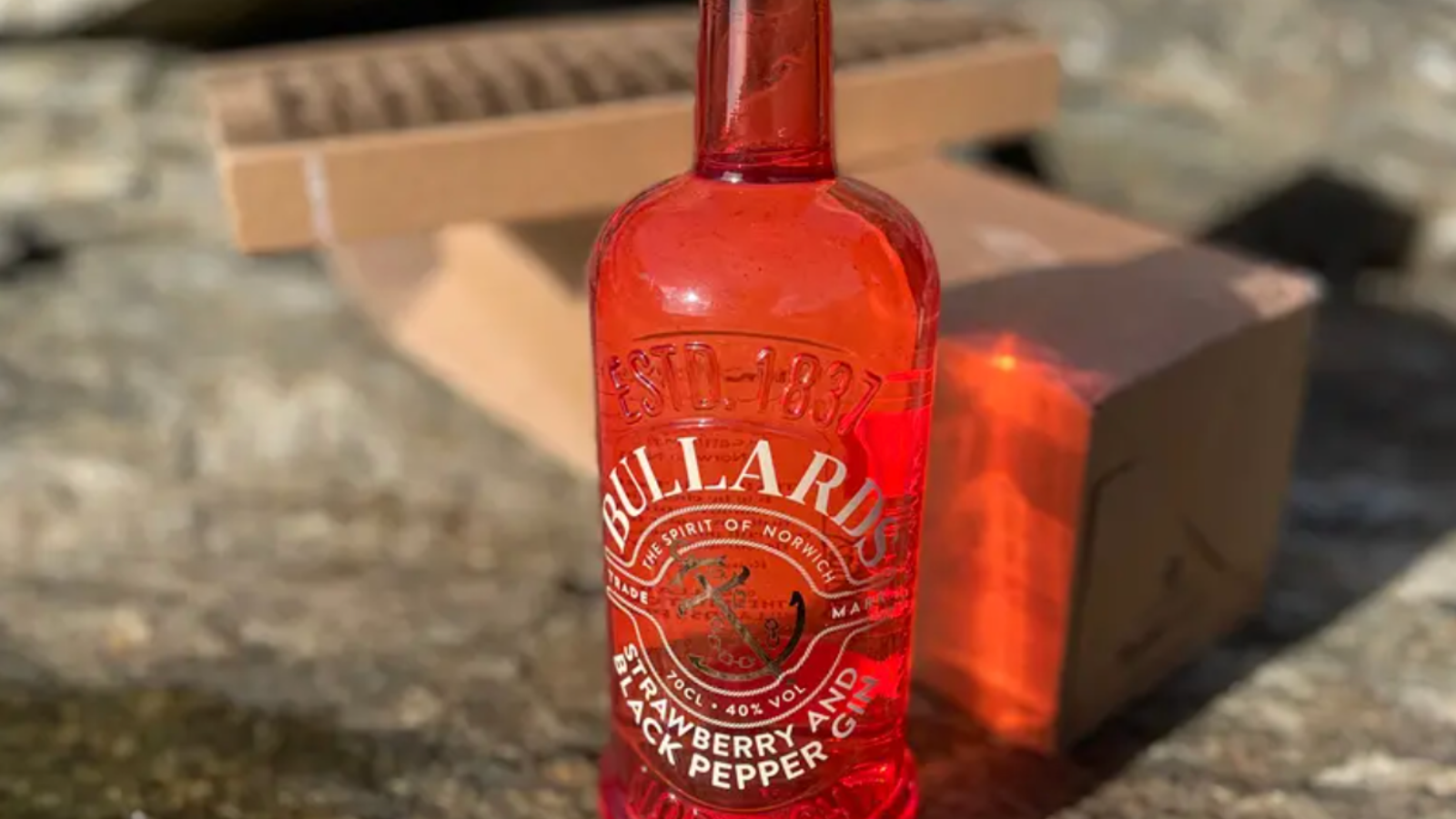
Craft distillers in the UK and Europe have already figured this out. Bullard's Spirits, a Norwich-based distillery, switched to Flexi-Hex honeycomb paper sleeves specifically because their previous air-inflated plastic packaging didn't match their sustainability story or their brand aesthetic. As they put it: "We would be silly not to make the switch" — because sending hundreds of bottles each week to customers and suppliers meant every parcel needed to reflect their values and protect their premium bottles.
Silent Pool, a luxury English gin brand, made the same calculation. They run a wood-fired steam boiler to power their copper still and knew that plastic blow-up bags contradicted their sustainability credentials. When they discovered Flexi-Hex, the decision was simple: "It was a no brainer to make the change" because the packaging matched their brand story, supported their bottles, and saved thousands of plastic bags from landfill each year.
What trade buyers actually notice about your packaging
Premium buyers — whether they're independent retailers, export distributors, or on-premise accounts — assess risk and brand fit when they're evaluating a new spirits supplier. Your packaging quietly answers three questions before you've even poured a sample:
Can this brand execute consistently? Right-sized, thoughtfully designed packaging signals operational maturity and attention to detail. Oversized cartons, mismatched materials, or visible damage raise red flags about fulfilment capability and quality control.
Will this product arrive safely to my customers? Buyers want to know your bottles won't break in their supply chain. If your sample arrives protected by kerbside-recyclable honeycomb paper instead of plastic bubble wrap, you've just reduced a major objection without saying a word.
Does this brand understand the market? In 2026, sustainability isn't a nice-to-have for spirits brands — it's table stakes. Over 60% of Kiwis say it's important that packaging can be recycled locally. Trade buyers know their customers expect plastic-free, kerbside-recyclable materials, and they're looking for suppliers who already have that sorted.
Packaging as content: the Instagram test
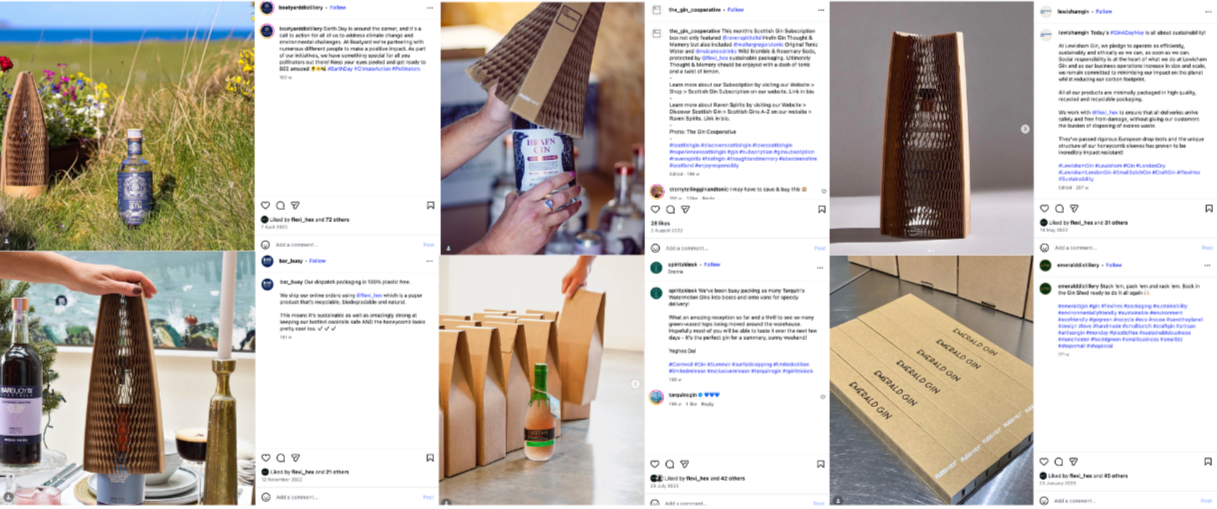
Every sample you send is a potential piece of brand content. Bartenders, retailers, and hospitality buyers are active on Instagram and LinkedIn — and if your unboxing moment is distinctive, tactile, and visually appealing, they're more likely to share it.
This isn't about gimmicks or over-packaging. It's about creating a premium, share-worthy moment that reflects the quality of what's inside the bottle. Honeycomb paper sleeves, for example, offer texture, visual interest, and a clear sustainability story — three elements that translate well to social content. A brief snippet about your distillery's story printed inside the shipper or on a card turns a functional parcel into a brand experience.
When a buyer or bartender posts your sample kit on their feed, you've just earned free reach to their network — often thousands of engaged spirits enthusiasts, industry contacts, and potential stockists. That's distribution leverage you can't buy.
How to audit your current trade packaging
If you're sending samples to distributors, trade accounts, or export partners, take 15 minutes to evaluate what they're actually receiving:
Does your packaging reflect the same quality and attention to detail as your label design? If your bottle looks premium but your packaging looks generic, there's a disconnect.
Can buyers clearly see your sustainability credentials without you having to explain them? Kerbside-recyclable, plastic-free materials let your packaging do the talking.
Is there any branding or storytelling on the shipper or insert? Even subtle touches — a short note about your distillery, local botanicals, or production process — can make your sample memorable.
How much time does your team spend packing each sample? If you're wrapping bottles in layers of bubble wrap or tape, you're burning labour hours that could be better spent on production or sales.
What's your damage rate on trade shipments? Even one broken bottle in a pitch shipment undermines trust and costs you the opportunity.
At Woodhill Distribution, we work with NZ craft distillers to upgrade their sample and D2C packaging to Flexi-Hex honeycomb paper sleeves — packaging that protects bottles, stores flat (saving warehouse space), and aligns with the sustainability story your buyers expect. It's plastic-free, kerbside recyclable, and designed to elevate the unboxing moment for trade and consumer shipments alike.
Your packaging is part of your pitch
You've spent months perfecting your recipe, sourcing local botanicals, and refining your label. The last thing you want is for a buyer to open your sample and see packaging that contradicts your brand values or raises questions about your professionalism.
Distinctive, sustainable packaging won't close the deal on its own — but it removes friction, signals quality, and creates a premium first impression that supports every conversation that follows. For craft distillers competing in a crowded market, that edge matters.
Ready to see how your distillery samples and D2C shipments could land? Get in touch for samples, pricing, and a free packaging review tailored to spirits brands.