
Your customer has chosen your product, placed their order and paid. From your side, that might feel like a successful sale. From theirs, the experience is still unfolding.
They’re waiting to see whether what arrives lives up to what they bought.
New Zealand Couriers’ eCommerce Insights report, published in September 2026, explores five shifts shaping online retail in 2027. Its central message is that businesses need to connect the whole customer journey — from discovery and checkout through to delivery and support. Clear promises matter, but so does keeping them.
For premium brands shipping fragile products, that raises an important packaging question: does the pack support the promise?
The report focuses on the broader e-commerce and delivery experience, rather than testing packaging materials. Here, we look at three of its key themes and what they mean for the way you protect, pack and present your products.
You can access the full report through New Zealand Couriers’ website. Access is available through their sign-up form.
1. Value is about more than the price paid
The report describes value as a combination of price, proof, convenience and confidence. Customers assess the complete offer, including product information, delivery costs, expected arrival and the support available if something goes wrong.
Packaging is one part of delivering on that offer.
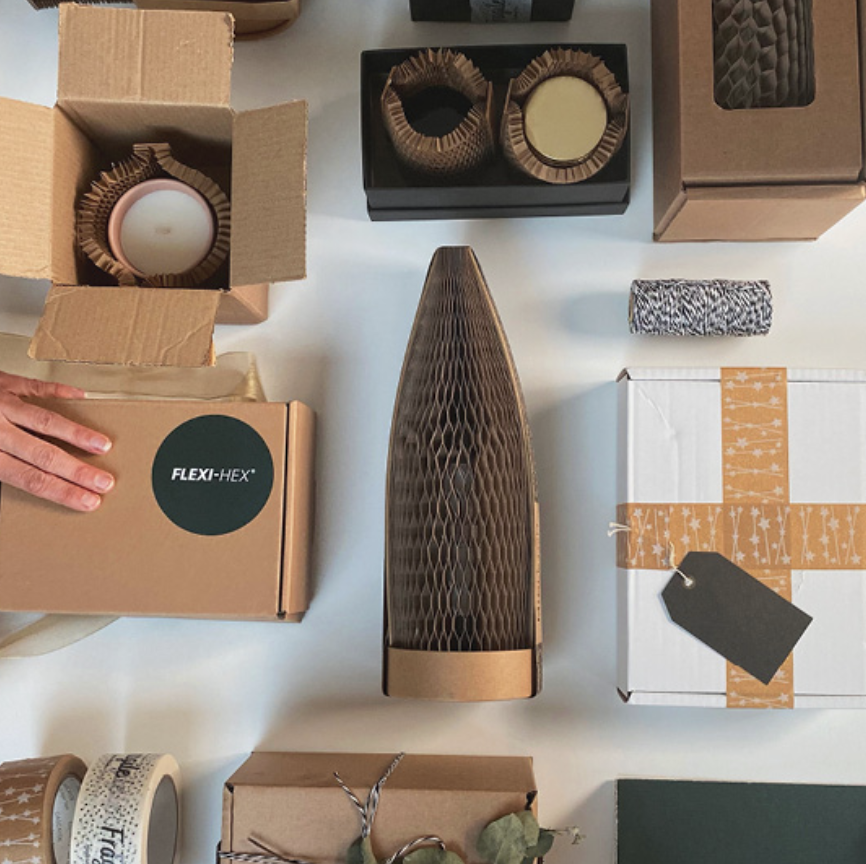
For a winery, that might mean a bottle arriving protected and looking worthy of the wine inside. For a skincare brand, it might mean a glass jar presented with the same care as the product itself. For a ceramics business, it means considering the individual shape and the complete packing arrangement, rather than assuming one approach will suit every piece.
That is why the price of an individual packaging component is only one part of the decision.
A useful comparison starts with the complete packed order:
What materials does it need?
How long does it take to pack?
How much storage space do the supplies occupy?
What are the finished carton dimensions?
If something arrives damaged, what work and expense follow?
The lowest material price and the lowest overall cost are not necessarily the same thing. Equally, paying more for packaging is not automatically justified. The right choice needs to make sense for your product and your operation.
2. Peak-season preparation starts before orders build
New Zealand Couriers distinguishes between an earlier “attention peak”, when customers research and compare, and a later “operations peak”, when orders, deliveries and enquiries increase. Its advice is to prepare before interest becomes demand.
For packaging, that means checking the pack before the packing bench gets busy.
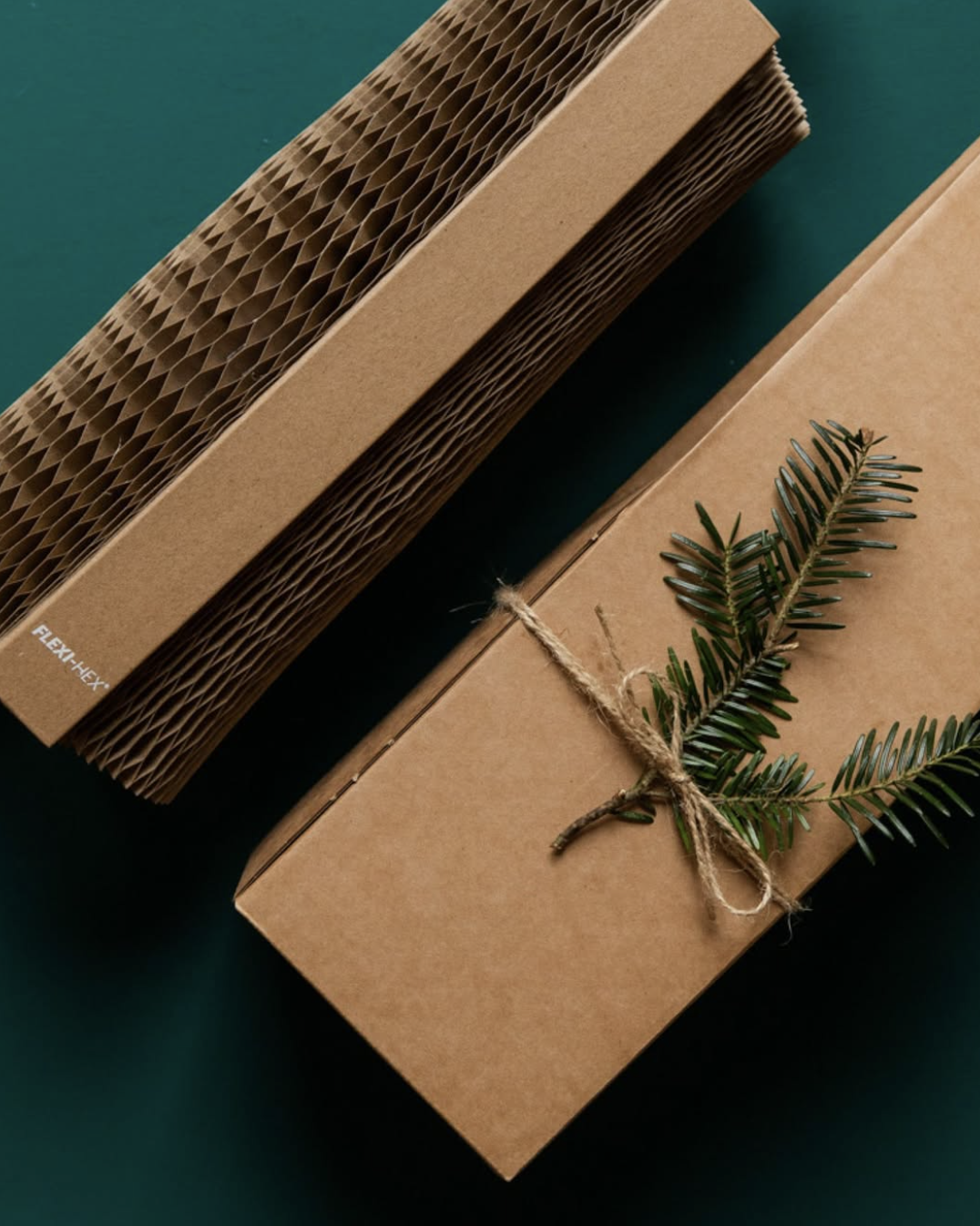
A new gift set, different bottle shape or additional product can change what the order needs. Packaging that works for a single item may not suit a mixed order. A presentation box may still need a suitable outer shipping carton.
Before Christmas gifting, a promotion or a product launch, pack a representative order from start to finish.
Check the product fit, protection, outer box and finished presentation. Ask the person doing the packing whether the steps are clear and repeatable. Consider where the materials will be stored and whether the arrangement works for the order formats you expect to send.
A sample is a useful starting point. A complete packing trial tells you more.
The aim is to identify questions while there is time to work through them — not when orders are waiting to leave.

3. Delivery is part of the brand experience
The report highlights reliability, visibility and communication as foundations of delivery confidence. It also explains how post-purchase support can help preserve trust when something changes.
A courier has an important role in that experience. Packaging has a different, complementary role: protecting the product and shaping how it is presented on arrival.
For a premium brand, those responsibilities meet when the customer opens the parcel.
Does the product arrive in the condition expected? Does the pack feel considered? Are the materials and disposal instructions consistent with the claims the brand makes?
Presentation is not about adding more layers. It is about making appropriate choices for the product, with protection doing its job and the customer able to understand what to do with the packaging afterwards.
If damage does occur, it is worth recording more than the replacement cost. Note the product, packing configuration, order format and any photographs available. Those details provide a better starting point for reviewing the pack than simply ordering more of the same materials.
What this means for your next packaging decision
The useful question is not just “Which box should we buy?”
It is:
“What does this product need to arrive protected, present well and work for the people packing it?”
That is the conversation we want to have at Woodhill Distribution.
We work with Flexi-Hex paper honeycomb protective packaging for brands shipping fragile products. Our focus is the relationship between the product, protective sleeve, outer box and packing process — because each part needs to work with the others.
Your next review does not need to start with a complete overhaul. Start with one product or order format. Look at how it is packed now, identify what is frustrating you and assess an alternative against those specific needs.
That is what a packaging partner should help you do: make a considered decision based on your product and your operation, rather than simply supply another packaging component.
Review your pack before your next busy period
Shipping bottles, jars or other fragile products? Talk to Lisa about what you send, how you currently pack it and what you would like to improve.
We can discuss Flexi-Hex sleeve-and-box options worth trialling for your products.
