
Building a Gift-Ready Unboxing Experience with Practical Packaging
A customer does not experience your brand for the first time when they open the bottle, light the candle or try the product inside. They experience it when the parcel arrives at their door.
For premium brands, that moment matters.
Your product may look considered on the shelf. Your labels, bottle shape, product photography and website may all tell a clear story about quality. But if the customer opens an oversized shipper filled with plastic bubble wrap, loose void fill and a product that has rattled around in transit, the delivery experience can undermine the work you have put into the brand.
Gift-ready packaging closes that gap. It protects the product, removes unnecessary clutter and gives the customer a delivery experience that feels as thoughtful as the product itself.
The good news is that premium unboxing does not need to mean elaborate, expensive or impractical packaging. In many cases, the strongest experience is clean, secure, easy to open and simple to recycle.

Why unboxing matters for premium brands
When customers buy wine, spirits, beauty, specialty food, homewares or a gift online, they cannot pick it up before purchase. They cannot feel the texture of the bottle, examine the finish or experience the product in person.
The parcel does some of that work instead.
It gives customers a tangible signal about the care behind the order. It tells them whether the brand paid attention to the journey after checkout - not just the moment the payment was taken.
That is especially important when the order is:
A birthday, thank-you or corporate gift
A wine-club delivery
A premium spirit purchased for a special occasion
A skincare or beauty product bought as a treat
A first order from a brand the customer has discovered online
A carefully chosen product sent directly to someone else
A gift-ready unboxing experience does not need to be flashy. It needs to feel intentional.
The product should arrive protected, look good when the carton is opened and be easy for the customer to unpack without creating a pile of difficult-to-dispose-of waste.
Protection comes before presentation
There is no premium unboxing experience if the product arrives damaged.
A beautiful sleeve, branded card or tissue paper cannot fix a broken bottle, crushed carton or leaking jar. The first job of secondary packaging is always to protect what is inside.
This is where many brands get stuck between two poor options.
One option is under-packing the product to keep costs down, then dealing with breakages, replacements and unhappy customers. The other is over-packing it with layers of bubble wrap, foam and void fill in the hope that more material equals more protection.
Neither creates a good experience.
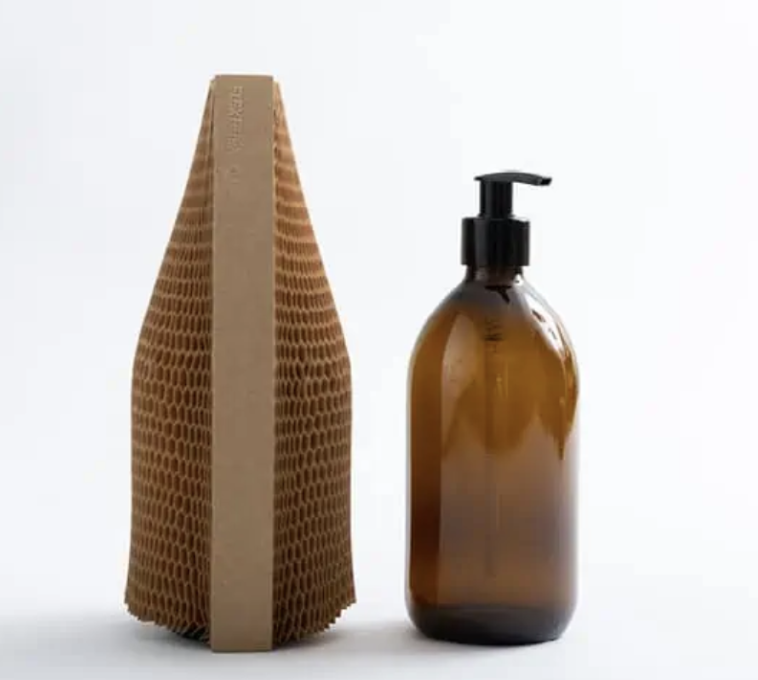
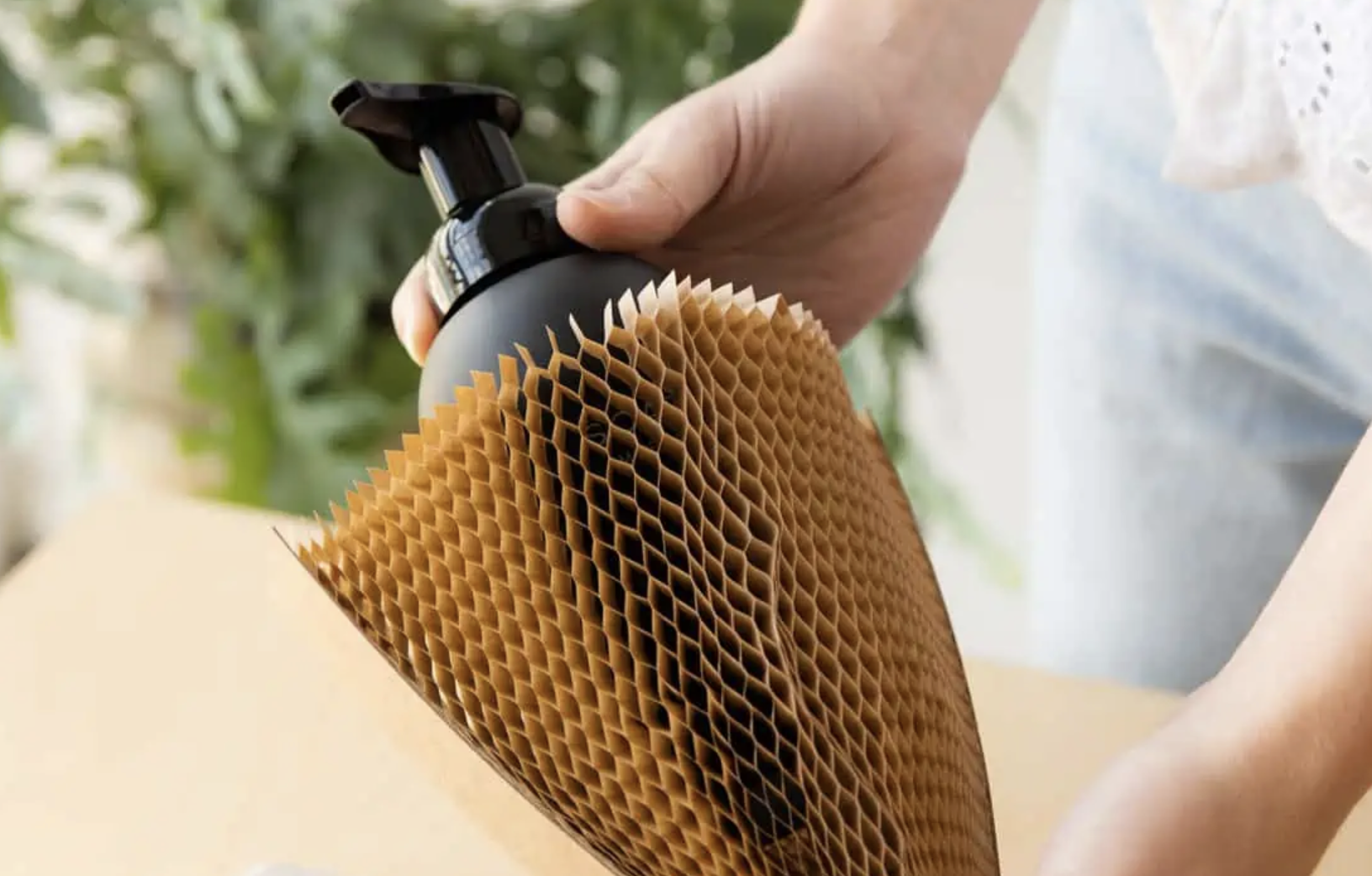
The better approach is to use packaging that is designed around the shape and vulnerability of the product. Flexi-Hex honeycomb paper sleeves expand around bottles and fragile items to help cushion them inside the outer carton. When paired with a purpose-designed bottle box, the product can be held more securely with less movement during transit.
That creates the foundation for a better unboxing experience: the customer opens the parcel and sees their product intact, secure and ready to enjoy.
A premium experience should feel simple
When a customer receives a gift, they should not have to fight their way through excessive packaging.
There is a difference between anticipation and frustration.
A well-designed package gives the customer a small sense of ceremony. They open the carton, see the product presented neatly and remove it without cutting through metres of tape or pulling apart layers of plastic.
That does not require elaborate luxury packaging. It requires a few practical decisions.
Start by looking at the shipment from the customer’s perspective.
What do they see first when they open the outer carton? Is the product loose, hidden under filler or surrounded by plastic? Does it look like something sent from a premium brand, or something packed quickly at the end of a busy day?
Then consider how the package opens.
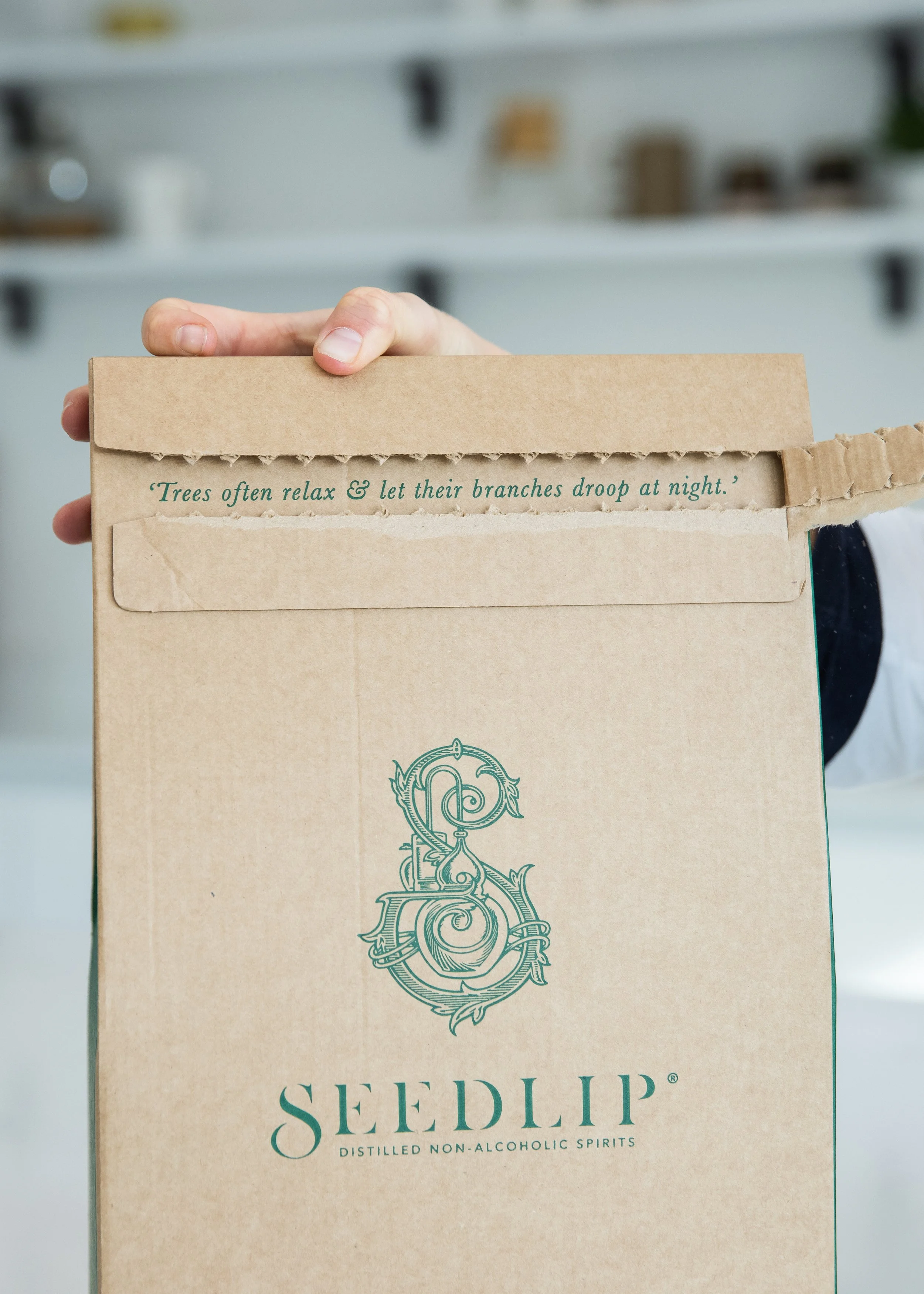
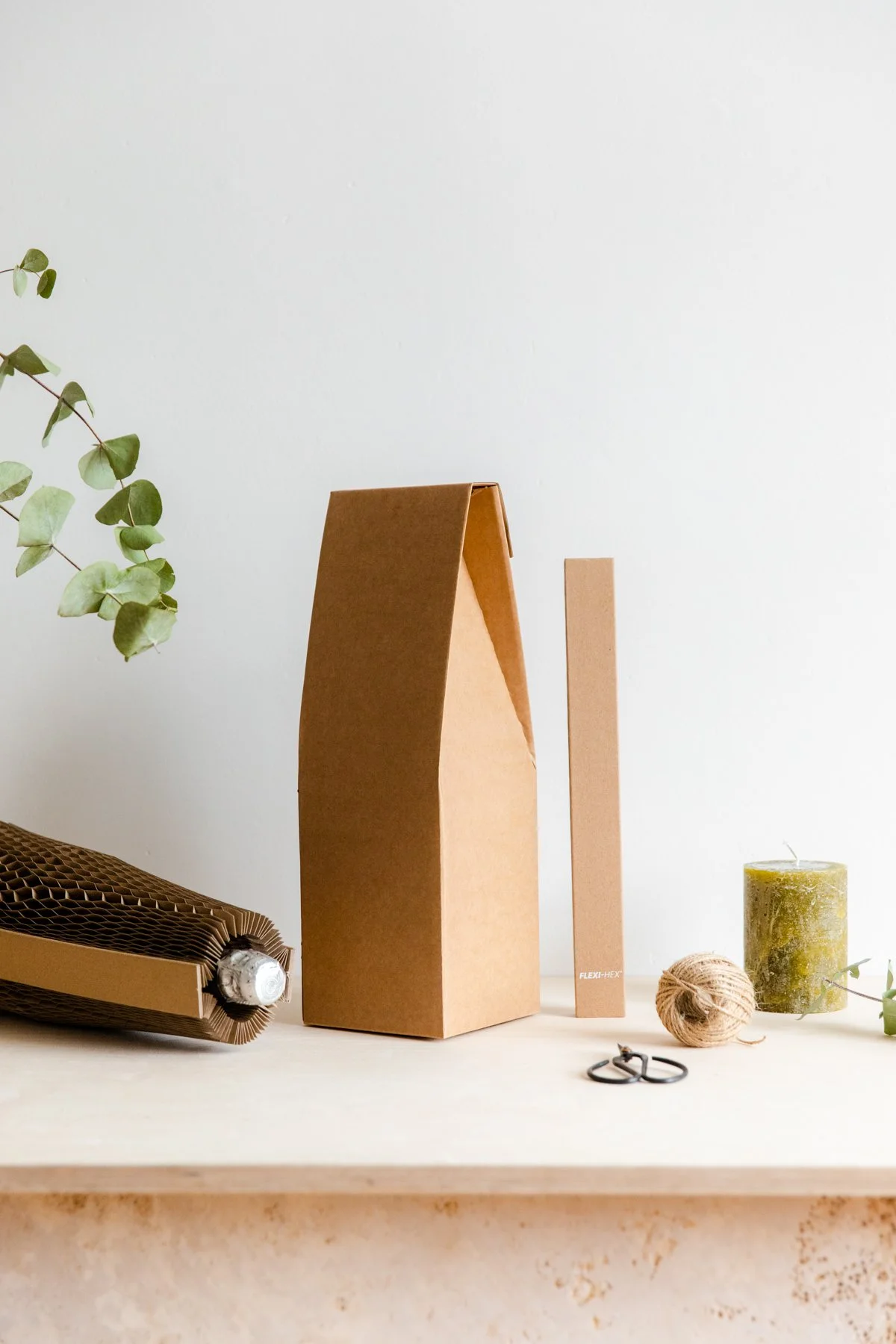
Self-sealing and easy-open carton features can reduce the need for excessive tape and make the delivery feel more polished. Flexi-Hex Pinch Top packaging combines a paper honeycomb sleeve with a self-sealing postal box designed to secure bottles in transit.
For a customer, that can mean a cleaner and simpler experience: open the carton, lift out the bottle or product and see that it has been properly protected.
Packaging should support the product story
Your secondary packaging does not need to compete with the product. It should support it.
For a boutique winery, the bottle should still be the hero. The packaging should reinforce a feeling of care, quality and place without distracting from the wine itself.
For a craft distillery, the delivery should feel considered enough to match the weight, detail and character of the bottle inside.
For a beauty brand, packaging needs to protect delicate glass or premium product components while supporting the ritual and enjoyment customers expect from the category.
For specialty food and gifting brands, the delivery should feel appropriate for the occasion - whether that is a thank-you, a celebration, Christmas, Mother’s Day, Chinese New Year or a corporate gift.
A natural paper texture can do more brand work than another layer of printed plastic. It feels tactile, purposeful and calm. It also gives customers a clear visual cue that the brand has thought about what happens to the packaging after use.
Flexi-Hex uses honeycomb paper made from 100% recycled paper. The packaging is plastic-free, kerbside recyclable, reusable and home-compostable. Those are useful credentials because they are specific. They give customers a straightforward answer when they ask: “What do I do with this packaging now?”
That matters in Aotearoa, where customers increasingly expect packaging claims to be practical and easy to act on.
Avoid the common unboxing mistakes
Most poor unboxing experiences are not caused by a lack of effort. They are caused by packaging systems that were built around convenience at the packing bench, rather than the full delivery journey.
Here are the issues worth checking in your current pack-out.
Oversized cartons
A box that is too large can make the product feel lost before it is even opened. It can also require more void fill, take up more freight space and allow more movement in transit.
Right-sized packaging helps the shipment look deliberate. It also helps make the product feel more substantial and considered when the customer opens the carton.
Too much plastic
Bubble wrap, foam chips, air pillows and plastic tape can make a parcel feel wasteful, particularly when the product itself is positioned as premium, natural, local or responsibly made.
Plastic-free packaging does not mean compromising protection. It means selecting materials that are fit for the product, the journey and the customer’s ability to dispose of them responsibly.
Too many packing steps
If your team has to wrap, tape, fill, re-wrap and seal every item differently, the customer experience is likely to be inconsistent.
A repeatable packaging system helps ensure each order arrives with the same level of care, whether your team is packing 10 parcels on a quiet Tuesday or hundreds of orders during a seasonal campaign.
Packaging that hides the product
Protective packaging should keep the product safe, but it should not turn unboxing into an excavation.
The moment of reveal matters. When the carton is opened, customers should be able to understand what they are looking at and remove the product with ease.
No clear disposal story
Customers should not have to search online to find out whether packaging can be recycled.
Paper-based packaging creates a simpler end-of-life experience. Flexi-Hex is kerbside recyclable in New Zealand, which means customers can place it in their household paper and cardboard recycling where accepted by their local council.
A simple printed note, packing slip message or product-page explanation can make that benefit more visible without adding unnecessary material.
Gift-ready does not mean over-designed
There is a common assumption that a premium unboxing experience requires expensive printed boxes, layers of tissue paper, custom ribbons and multiple inserts.
Sometimes those things are appropriate. Often, they are not.
For many premium product businesses, the most effective experience is more restrained:
A right-sized outer carton
Protective packaging that looks intentional
A secure product that does not move in transit
Minimal plastic and unnecessary filler
A simple opening experience
One useful, well-designed message from the brand
Packaging that customers can reuse, recycle or compost with confidence
That approach can feel more premium because it is practical. It suggests that your business has considered the product, the customer and the operational reality of shipping — not just the aesthetic for an Instagram photo.
It also gives your team a packaging format they can use consistently.
Make the unboxing experience work at scale
The real test of packaging is not how it looks in a styled product shoot.
It is how it performs during a busy dispatch day.
Can your team pack orders quickly and correctly? Does the packaging work across your most common bottle, jar or product formats? Is it easy to store? Does it reduce the need for multiple rolls of tape, plastic filler and last-minute improvisation?
A gift-ready experience needs to be repeatable.
Flexi-Hex offers packaging formats for single, double, triple and six-bottle shipments, alongside sleeves for bottles and other fragile products. The system is designed to help brands create a consistent pack-out across direct-to-consumer orders, wine-club deliveries, gifts and e-commerce fulfilment.
Before changing your packaging, start with your most common order type. That might be a single bottle, a two-bottle gift, a three-bottle mixed case or a premium e-commerce order.
Ask your team:
What takes the longest to pack?
Where do products move inside the carton?
What do customers complain about?
What packaging materials create the most mess or confusion?
What does the order look like when it reaches the customer?
Can customers easily recycle or reuse what they receive?
The answers will show you where a practical packaging improvement can make the biggest difference.
The unboxing experience starts before delivery
A gift-ready delivery experience begins long before the courier collects the parcel.
It starts with the choices you make about product protection, carton size, packing steps and material selection. It is built into the way your team handles each order and the way your customer feels when they open it.
For premium brands, that moment is not an afterthought. It is part of the product experience.
The right secondary packaging can help you protect fragile goods, reduce the visual clutter of plastic-heavy packing materials and present your product in a way that feels aligned with the care that went into making it.
Flexi-Hex packaging from Woodhill Distribution combines protective honeycomb paper sleeves with purpose-designed cartons for wine, spirits, beauty, specialty food, homewares and fragile e-commerce products. It gives Kiwi brands a practical way to ship products securely while creating a cleaner, more considered unboxing experience.
If you want your product to look as thoughtful at the doorstep as it does on the shelf, begin with the order your customers receive most often. Review the journey from shipper carton to product reveal, then choose packaging that makes every stage feel intentional.
