
Can Smarter Packaging Really Improve Margin? Here’s How to Show It

Smart secondary packaging can improve margin - but not because it is automatically cheaper per unit.
The real opportunity is in the total cost of getting a product from your packing bench to your customer’s door. That includes packaging, freight, packing time, damages, replacement orders and the customer experience when something arrives broken.
For wineries, distilleries and premium e-commerce brands, packaging should be assessed as a cost-to-serve decision, not just a line item on a supplier invoice.
The cheapest packaging is not always the lowest-cost option
It is tempting to compare packaging by unit price alone.
A basic carton, bubble wrap or void fill may look cheaper on paper. But if it creates a larger parcel, takes longer to pack, needs tape and additional filler, or leads to more damage claims, it can cost more overall.
That is where many businesses lose margin without seeing it clearly.
The better question is:
What does it cost us to ship this product safely, efficiently and in a way that reflects the quality of our brand?
For a premium wine bottle, gin bottle, skincare product, candle, honey jar or fragile homeware item, the answer is usually bigger than the cost of the carton.
It includes:
The carton, protective packaging, tape and void fill
Freight charges based on parcel size and weight
Time spent packing each order
Damage claims and product replacements
Resend freight
Customer-service time
Storage space for bulky packaging materials
The impact on your customer when a premium product arrives looking anything but premium
When you look at the full picture, smarter protective packaging can become a practical margin lever.
Freight is often where the savings sit
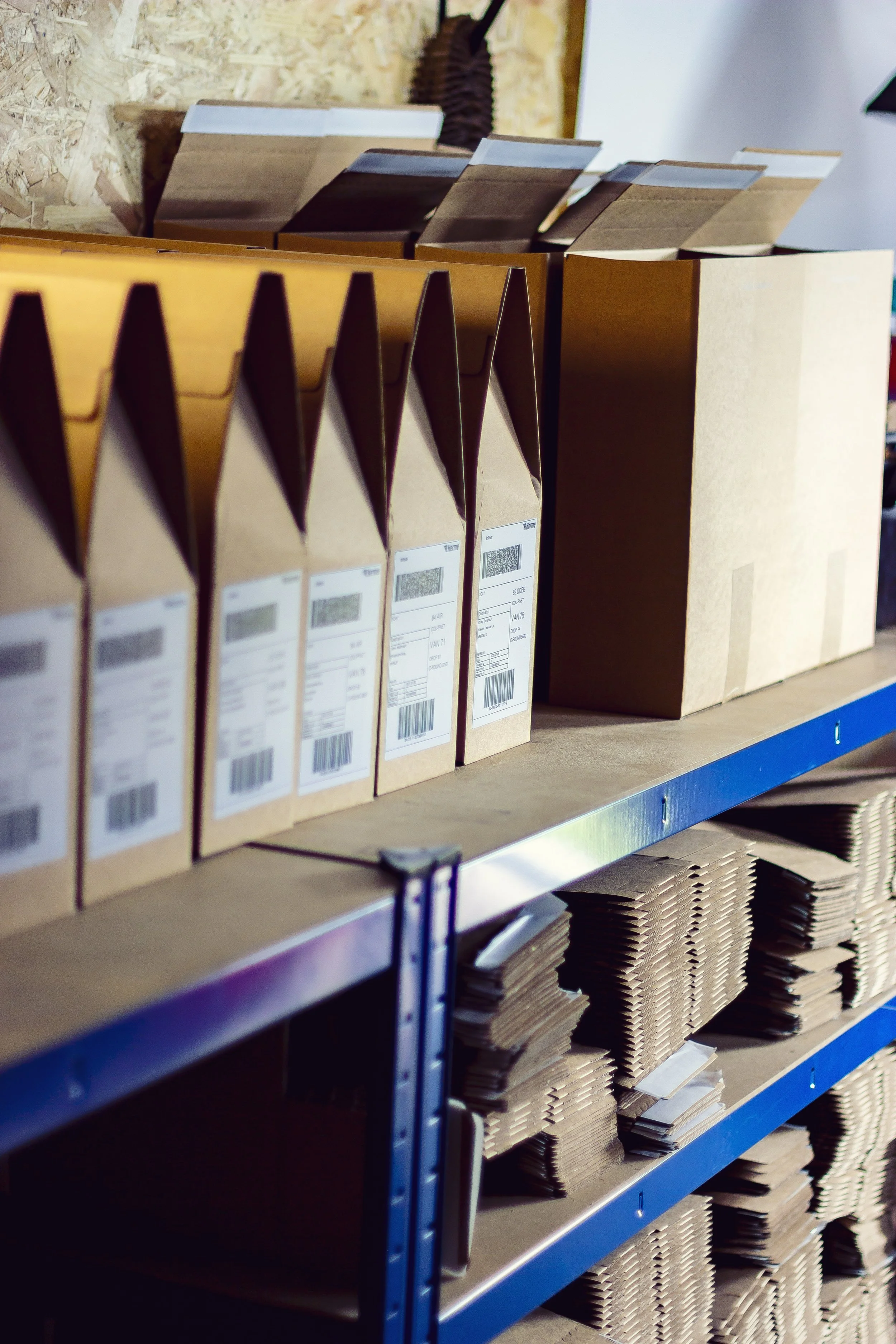
Freight costs are not always driven by the weight of your product alone.
Many courier services charge based on parcel dimensions as well as actual weight. That means an oversized carton can cost more to ship, even when much of the space inside is filled with air, bubble wrap or loose paper.
This is particularly relevant for fragile products. Businesses often use a larger carton than necessary because they are trying to prevent movement in transit. Then they add extra void fill, tape and layers of protection to make the shipment feel secure.
The result can be an expensive parcel that is still not packed consistently.
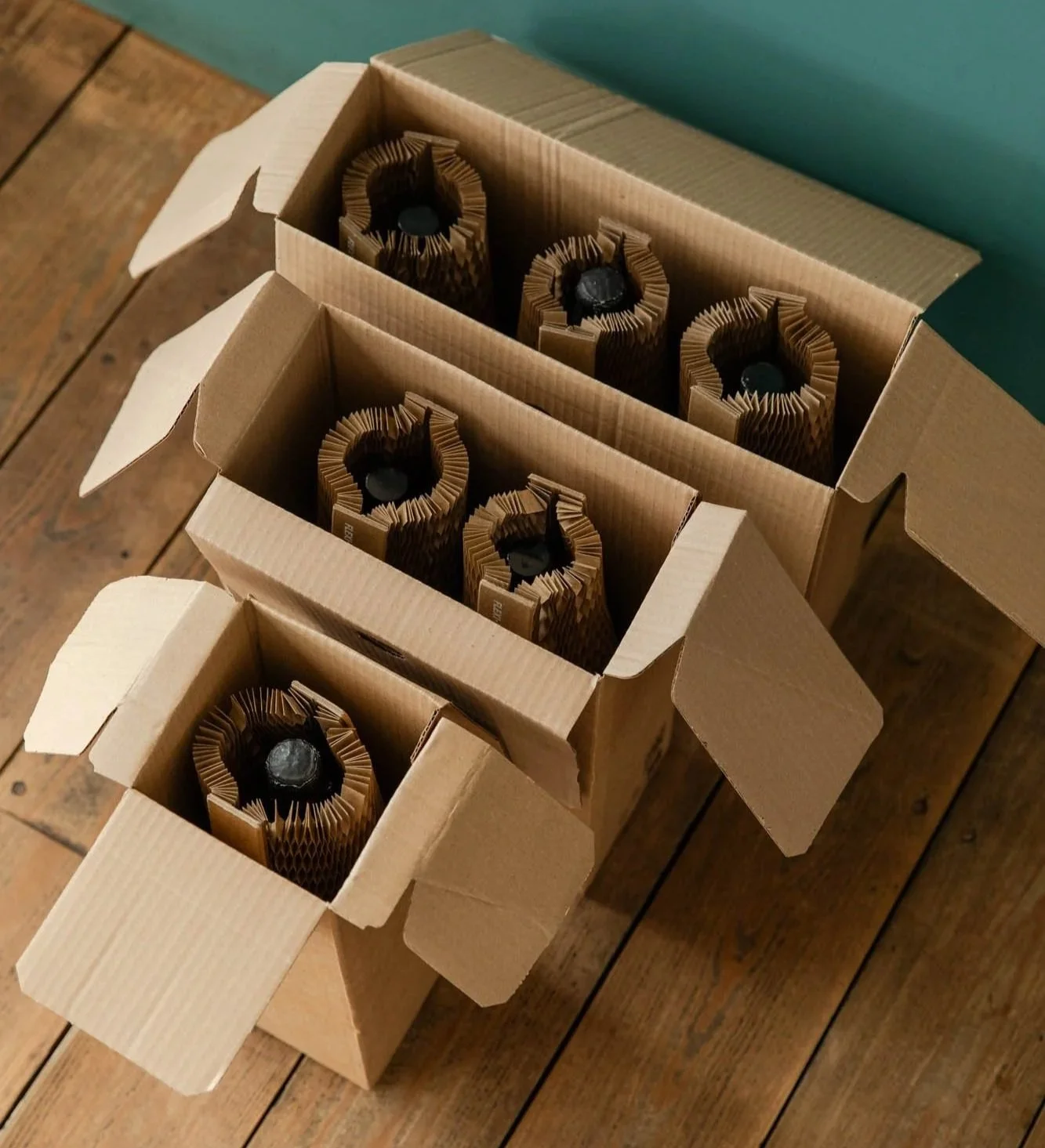
Right-sized secondary packaging helps reduce unnecessary empty space around the product. Flexi-Hex honeycomb paper sleeves expand around bottles and other fragile items, while compatible cartons are designed to keep products more secure during transit. That can help brands move away from oversized cartons and excessive void fill towards a more consistent pack-out.
For a winery or craft distillery, even a modest reduction in packed parcel size can matter when it is repeated across wine-club orders, gifting, online sales and replacement shipments.
The important point is to check your own freight invoices and courier rate card. Measure your current packed dimensions, then compare them with the dimensions of a proposed new pack-out. That gives you a credible starting point for understanding whether your business is paying more than necessary to ship air.
Damage costs more than the product
A broken shipment is never just a broken bottle.
The immediate cost is obvious: the product has to be replaced. But that is only the start.
You may also be paying for the original packaging, replacement packaging, a second freight shipment, staff time to arrange the resend and customer-service time to manage the problem. If the order was a gift, a special occasion purchase or someone’s first experience of your brand, the cost can extend to trust and repeat purchase too.
This is why damage rates should be part of every packaging decision.
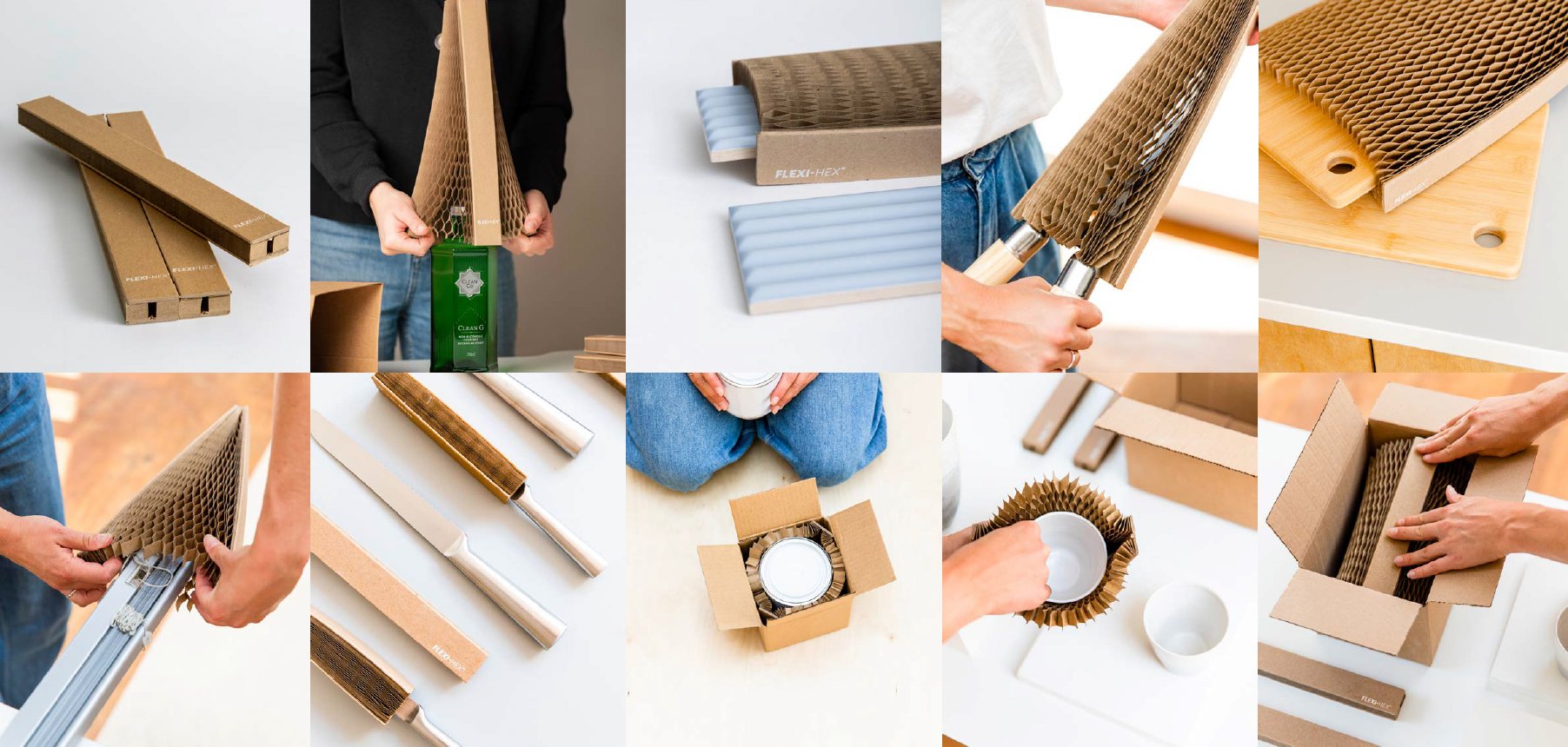
Flexi-Hex is a paper-based protective packaging system designed to reduce movement around fragile products in transit. The honeycomb structure wraps around the item, while purpose-designed bottle cartons help create a more secure fit for courier shipping.
If you are reviewing packaging with finance or ownership, do not rely on a general assumption that one option is more protective than another. Look at your own records.
How many orders are being damaged now? What is the total cost of each replacement? How often does a customer receive a shipment that needs to be resent?
Those answers are usually more commercially useful than the unit cost of a piece of bubble wrap.
Faster packing can improve cost-to-serve
Packing time is easy to overlook because it is spread across many small jobs.
A team member wrapping a bottle in bubble wrap, taping it, adding void fill, selecting a carton and sealing it may only spend a few extra minutes per order. But that time adds up quickly during wine-club dispatches, seasonal gifting campaigns, online promotions and Christmas peak periods.
A more standardised packaging format can help simplify the process.
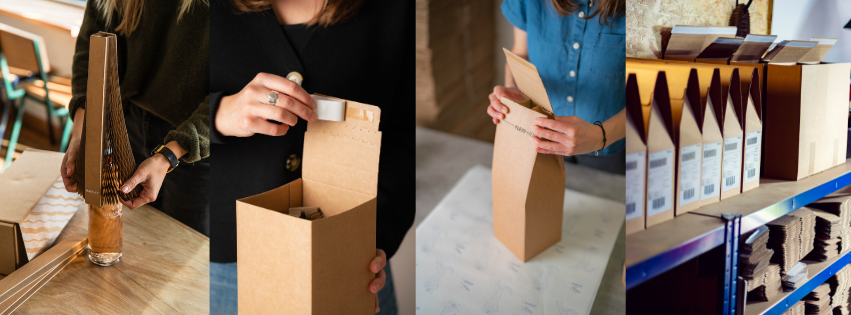
Flexi-Hex bottle packaging combines protective honeycomb sleeves with purpose-designed cartons, including self-sealing Pinch Top boxes for single, double and triple bottle shipments. The format is designed to reduce product movement without relying on large amounts of plastic bubble wrap or loose void fill.
A consistent pack-out has practical benefits:
Staff know which packaging components to use
New team members are easier to train
Fewer steps can reduce packing time
Less tape and filler may be required
Orders look more consistent when they arrive
It is easier to spot when something has been packed incorrectly
For a busy founder or operations manager, this matters. The goal is not to create a complicated new packaging process. It is to make the daily work of fulfilment more predictable and less wasteful.
Storage space matters too
Bulky packaging creates a hidden operating cost.
Large cartons, bubble wrap rolls, foam, loose fill and multiple packaging SKUs can take up valuable warehouse, cellar-door or backroom space. They also create clutter around the packing area, particularly when stock is being replenished during busy dispatch periods.
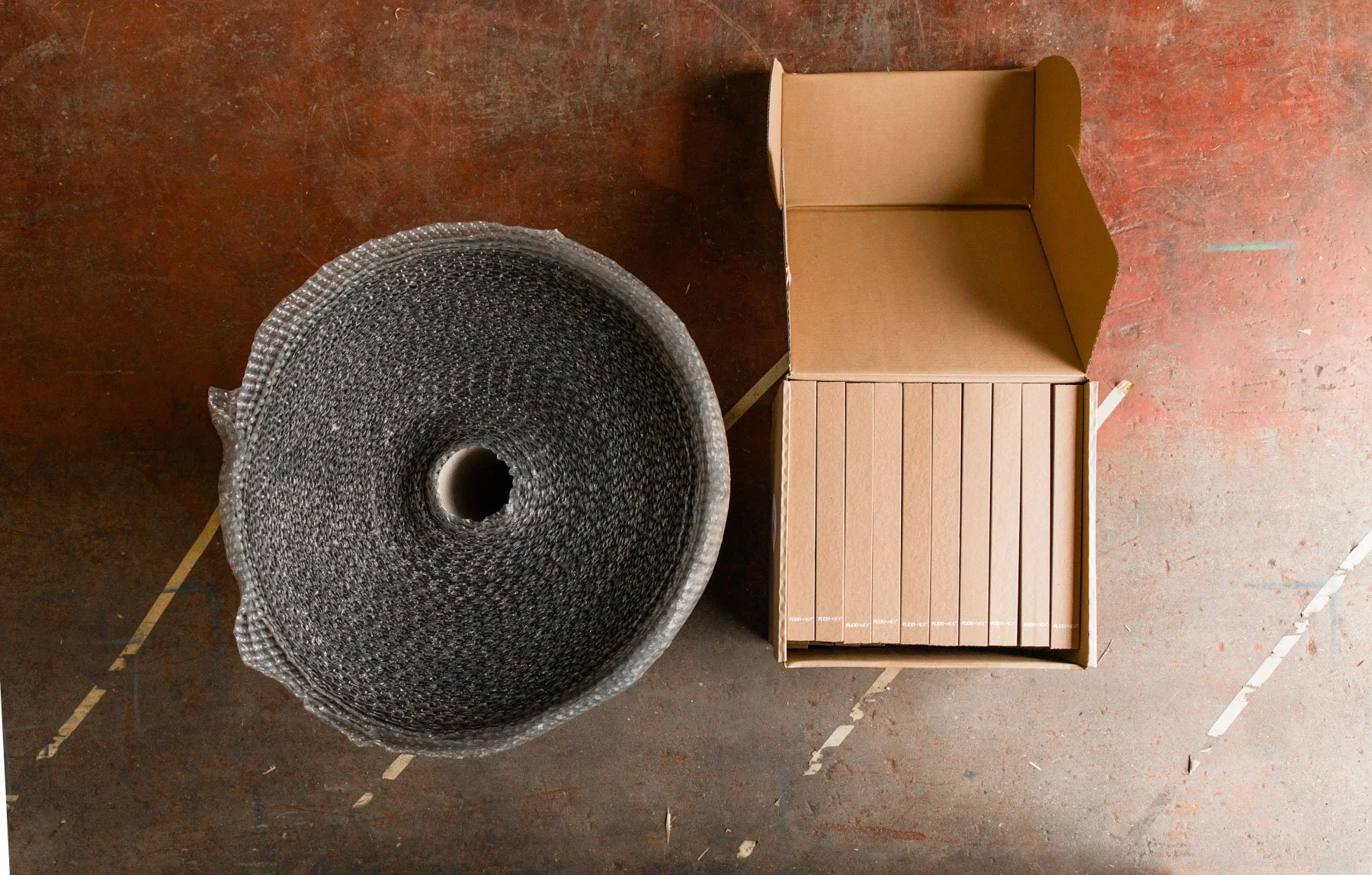
Flexi-Hex sleeves expand around the product when they are used, but store compactly before packing. This can help reduce the amount of space needed for protective materials, especially compared with bulkier plastic-based options.
Storage may not be the first number you take to finance, but it is still worth considering.
If packaging takes up fewer shelves, is easier to keep organised and reduces packing-station clutter, that can support a more efficient operation - particularly for small teams working in constrained spaces.
How to prove the margin impact
You do not need a complex supply-chain project to test whether smarter packaging can improve margin.
Start with one high-volume shipment type.
For a winery, that may be a two-bottle wine-club order or a three-bottle online purchase. For a distillery, it may be a premium single-bottle gift shipment. For a beauty or specialty food brand, it might be your most common fragile e-commerce order.
Choose a format you send often enough to produce useful data.
Then compare your existing pack-out with a new packaging configuration over a set trial period.
Track the things that matter:
The packaging components used per order
The total packaging cost per order
Packed dimensions and total weight
Actual freight charged
Average time needed to pack an order
Damage incidents
Cost of replacements and resend freight
Customer feedback about delivery and presentation
Keep the trial practical. Use comparable products, destinations and courier services where possible. Make sure the team knows how to pack the new format correctly before you begin.
You are not trying to prove that every packaging change saves money. You are trying to understand whether a particular packaging system improves the economics of a particular shipment.
That is a much more useful business question.
The story finance and ownership need to hear
When you present a packaging change internally, lead with the operational and commercial result.
Do not make the case solely on sustainability credentials or presentation, even though both matter to premium brands.
Instead, explain what changed across the shipment.
For example:
“We tested a more right-sized protective packaging format on our most common bottle shipment. The packaging cost per order was higher, but the parcel dimensions were smaller, packing took less time and damage-related replacement costs fell. Once we looked at the full cost-to-serve, the new format improved margin per case.”
That is the conversation finance teams want to have.
It is specific, measurable and connected to the commercial realities of freight, labour and customer experience.
The sustainability story becomes stronger because it is supported by practical value. Flexi-Hex is made from 100% recycled paper, is plastic-free, kerbside recyclable, reusable and home-compostable. But the strongest reason to change packaging is often that it protects both the product and the profitability of the shipment.
Start with the shipment causing the most pain
If you are seeing rising freight bills, recurring breakages, slow pack-outs or customer complaints about delivery, start there.
Look at the shipment type that creates the most pressure on your operation. It may be a single bottle sent as a gift, a two-bottle wine-club order, a premium spirit sold online or a fragile product that needs regular replacement.
Then ask a simple question:
Is our current packaging helping us protect margin, or quietly eroding it?
Flexi-Hex packaging from Woodhill Distribution is designed for premium brands that need reliable protection, a better unboxing experience and a more practical alternative to plastic-heavy packaging. The system combines honeycomb paper sleeves with purpose-designed cartons for wine, spirits, beauty, homewares, food and fragile e-commerce products.
If you would like to test the commercial case, start with your product dimensions, current packed carton size and most common order type. Woodhill Distribution can help you identify a Flexi-Hex sleeve and box configuration to trial, so you can compare the numbers in your own operation.
