
Choosing packaging that makes compliance easier
Packaging used to be a back-of-house decision. Choose something that protects the product, fits the carton and gets orders out the door.
That is still the job. But for many NZ brands, it is no longer the whole job.
Retailers, distributors and export partners increasingly want clear answers to practical questions:
What is the packaging made from?
How much recycled content does it contain?
Is there plastic in the protective layer, tape or void fill?
Can customers recycle it through the systems available to them?
Can the business substantiate the claims appearing on pack, online or in supplier documentation?
If answering those questions means chasing multiple suppliers, comparing inconsistent specifications and explaining why a supposedly paper-based pack still includes bubble wrap, plastic air pillows or foam inserts, compliance quickly becomes its own project.
It does not need to be.
Start with materials you can explain clearly
The easiest packaging to document is packaging with a simple material story.
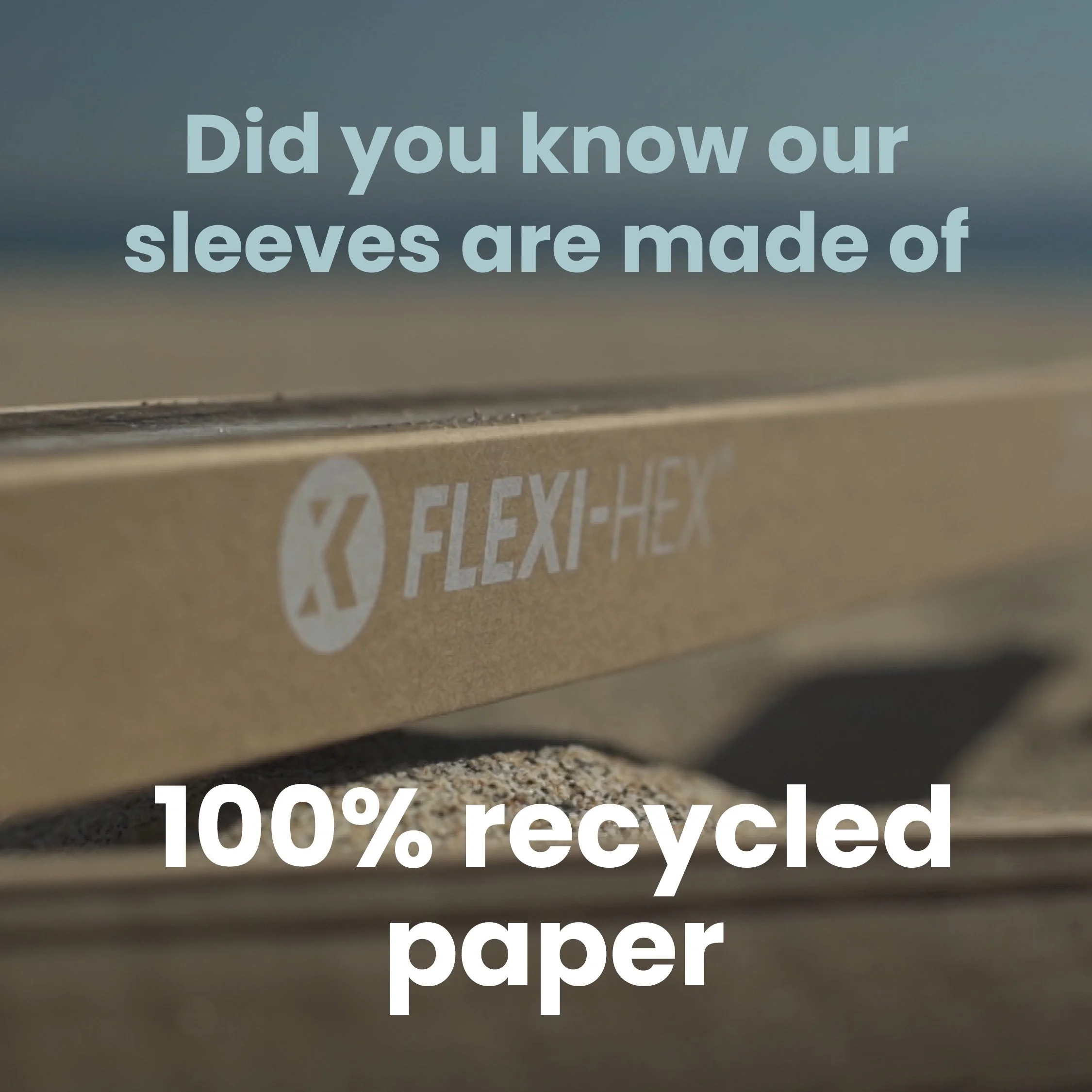
For fragile products, that often means choosing a paper-based protective system rather than building a parcel from several different materials. Flexi-Hex uses a honeycomb paper structure that expands around bottles and other products to provide cushioning in transit. The sleeve arrives compact, then opens around the item during packing.
For the operator, that matters because it replaces a familiar but messy combination: a carton, plastic bubble wrap, plastic tape, loose void fill and sometimes a moulded foam insert. Each component may need its own material details, recycling guidance and supplier paperwork.
With a simpler paper-led packaging format, your internal teams and external partners have fewer materials to account for.
For relevant Flexi-Hex products supplied by Woodhill Distribution, the material credentials can be described clearly: recycled paper content, plastic-free construction and kerbside recyclability in New Zealand. Woodhill’s wine range also includes paper-based, self-sealing box formats designed to avoid the need for tape.
That does not remove the need to check the precise specification of the product you are buying. It does make the documentation conversation much more straightforward.
Why “paper-based” is not always enough
This is where packaging language can become confusing.
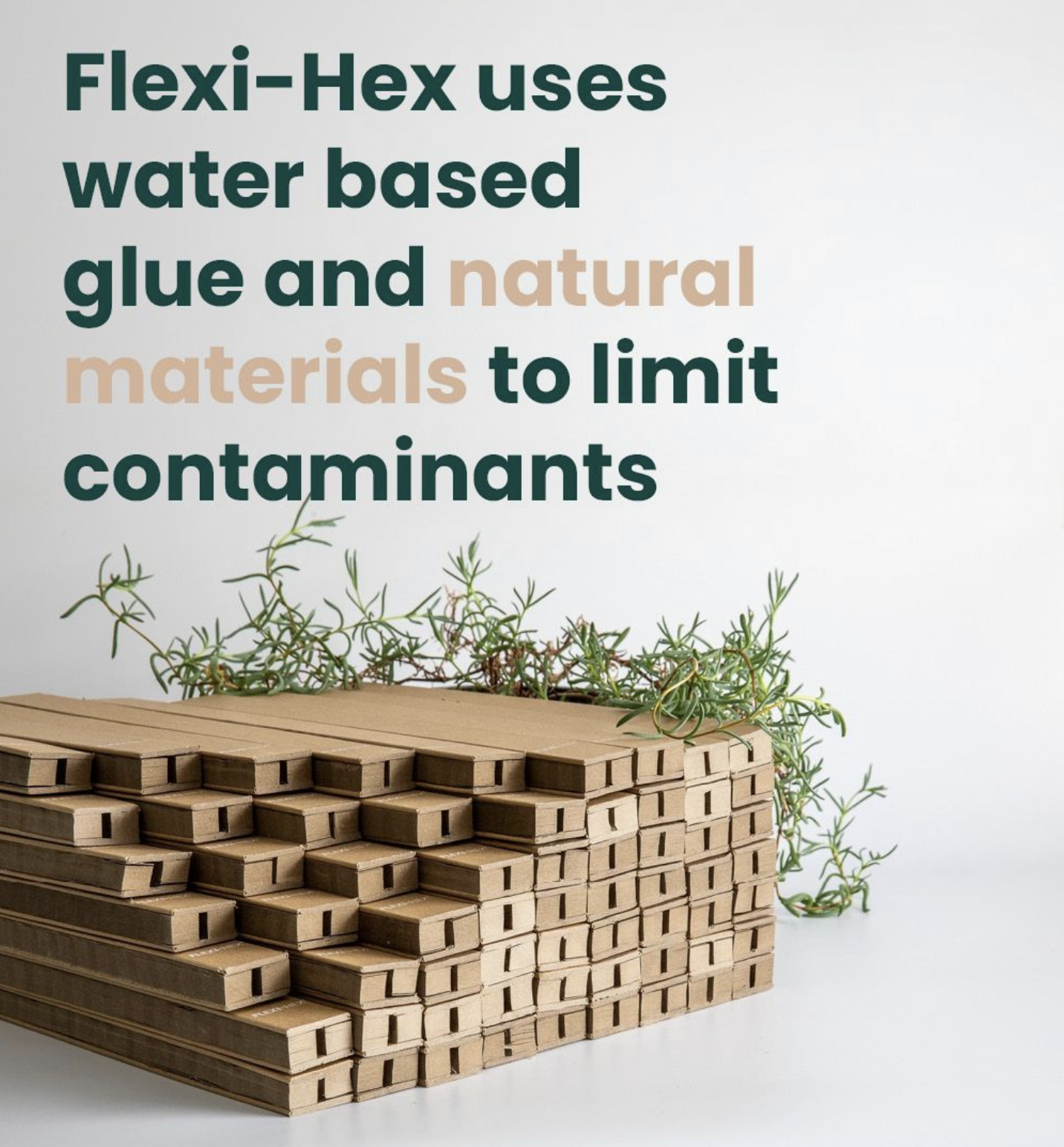
A carton may be made from cardboard, but the complete shipping pack can still include plastic-based protective layers, synthetic tape, laminated labels, foam inserts or mixed-material components. That does not automatically make it the wrong pack for your product. But it does mean a simple claim such as “our packaging is recyclable” may need more explanation than expected.
For retailer and export paperwork, the useful question is not just, “Is the outer box cardboard?”
It is: What is the complete pack made of when it leaves our warehouse?
A practical review should cover:
The protective sleeve or insert
The outer carton
Tape, seals and adhesive components
Void fill
Labels or printed additions
Any plastic film, foam or moulded inserts
This gives you a more accurate picture of fibre content, plastic content and end-of-life options. It also helps prevent one of the most common problems in sustainability reporting: documenting the carton while overlooking the materials inside it.
Compliance becomes easier when your pack is simpler
There is a commercial upside to clear material information.
When a buyer, retailer or overseas partner sends a packaging questionnaire, the person completing it is usually not looking for a marketing story. They need accurate information they can put into their own systems. Vague phrases such as “environmentally friendly” or “sustainable packaging” do not help them do that.
Specific language does.
For example:
“Our protective packaging uses recycled paper and is plastic-free. It can be placed in standard paper and cardboard kerbside recycling where accepted locally. Please refer to the applicable product specification for recycled-content details.”
That is more useful than a broad claim because it tells the reader what the material is, what it does not contain and how it can be handled after use.
For many premium brands, this clarity also supports a better customer experience. A wine club member, skincare customer or gift recipient should not have to separate a pile of bubble wrap, air pillows and foam from a cardboard carton. A mono-material or predominantly paper-based pack is easier to understand at the kitchen bench — and easier for your team to explain before the parcel ever leaves the warehouse.
Protection still comes first
No one wins if packaging looks tidy in a compliance file but fails in transit.
The right packaging needs to protect the specific product, its weight, shape, fragility and transport route. That is why compliance should sit alongside protection testing, not replace it.
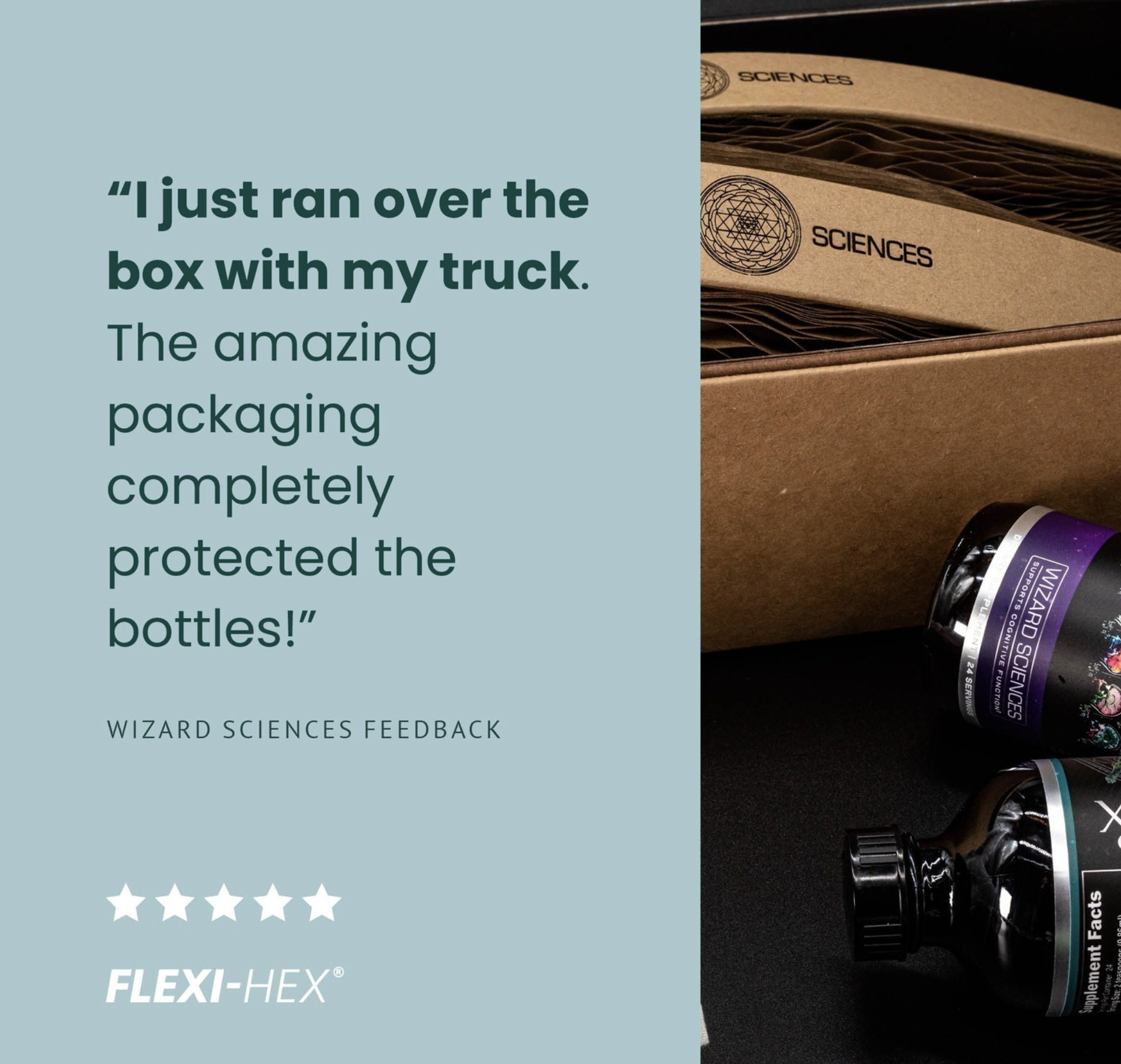
Flexi-Hex is designed as protective packaging, not decorative wrap. Its honeycomb paper structure expands around the product to provide cushioning while keeping the presentation clean and premium. Flexi-Hex wine packaging has also been tested in the DPD UK network: 2,130 single- and double-bottle parcels were injected into the network with zero damages recorded in that testing exercise, alongside stated drop and throw tests. That result applies to the exact packaging specification tested, rather than every possible product or configuration.
For a winery, distillery or premium e-commerce brand, that is the practical balance to aim for: packaging that can protect the product, support a polished unboxing experience and give you clear material information when a retailer or export partner asks for it.
A better question to ask your supplier
Before choosing a protective packaging format, ask your supplier for information you can actually reuse in retailer, customer and export documentation.
Start with these questions:
What materials make up the complete pack?
What is the recycled content of each relevant component?
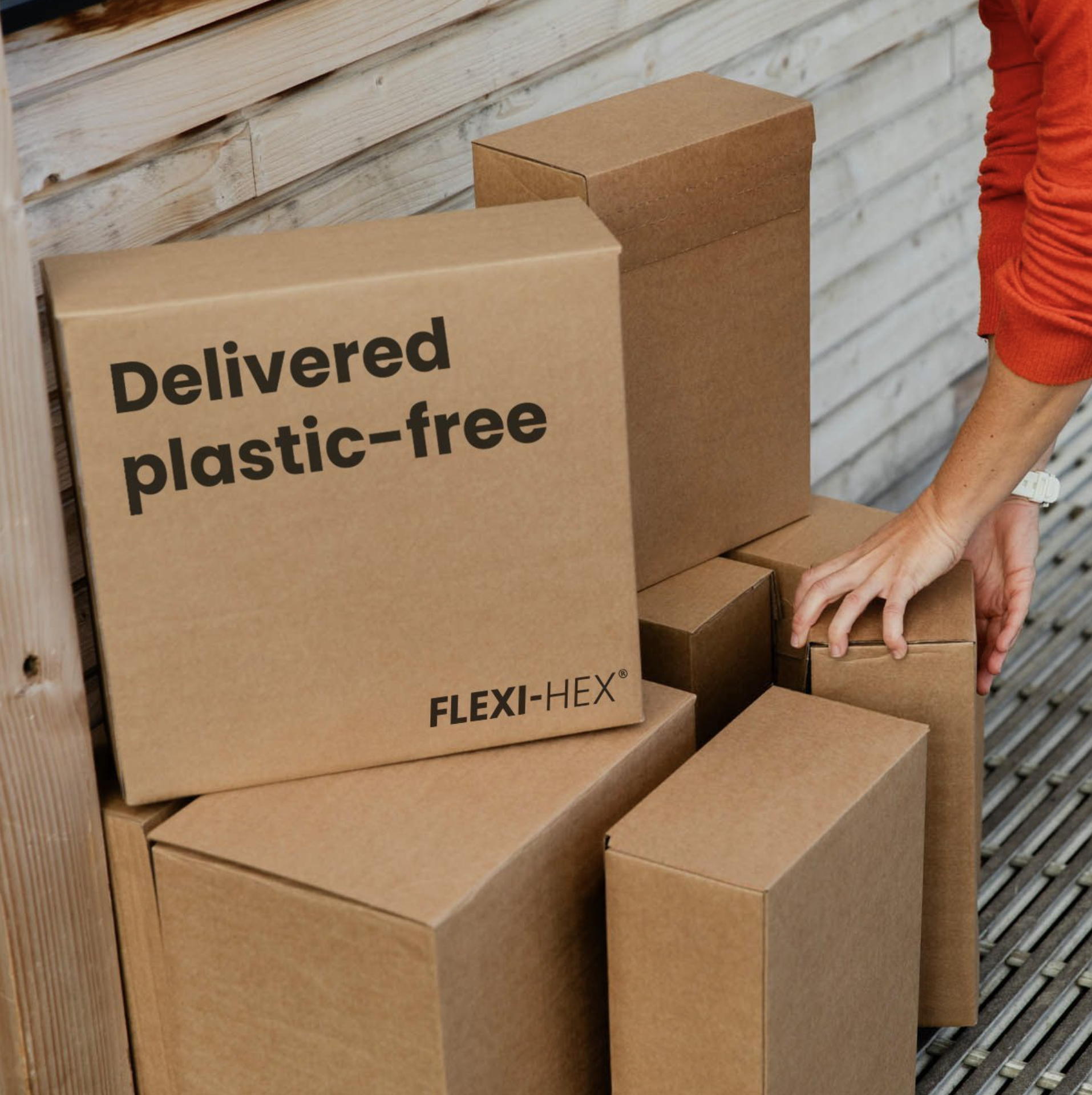
Does the pack contain plastic, including tape, films, liners or inserts?
Is the packaging kerbside recyclable in New Zealand, and are there components that need separate handling?
Can you provide a current product specification or data sheet?
Does the packaging need additional void fill or tape to perform as intended?
What claims can we make accurately in our product listings and customer communications?
A good packaging decision should save time beyond the packing bench. It should make it easier to respond when a retailer asks for material details, when an export customer needs reassurance and when your own team wants to make claims they can stand behind.
The bottom line
Compliance should not be a separate packaging project created by unclear materials.
Choose protection that is designed to do its job in transit — then make sure its fibre content, plastic use and end-of-life pathway are simple enough to explain. For brands that care about product protection, premium presentation and credible packaging claims, that clarity is not a nice-to-have. It is part of running a more efficient, more trusted operation.
Woodhill Distribution supplies Flexi-Hex protective packaging in New Zealand for bottles, beauty, homeware, electronics, boardsports and other premium products. Speak with us about the right format for your product and the documentation available for your chosen packaging specification.
