
A smaller box. Less plastic. Fewer materials.
Those can all be worthwhile packaging goals. But if you’re shipping wine, spirits, ceramics or other fragile products, there’s another question to answer first:
Will the complete pack still do its job?
The aim isn’t to remove packaging for the sake of it. It’s to understand what each component does, then choose a combination that protects the product without adding unnecessary material or work.
That’s what right-sized packaging should mean: a suitable outer carton, appropriate protection and a repeatable packing method, assessed together.
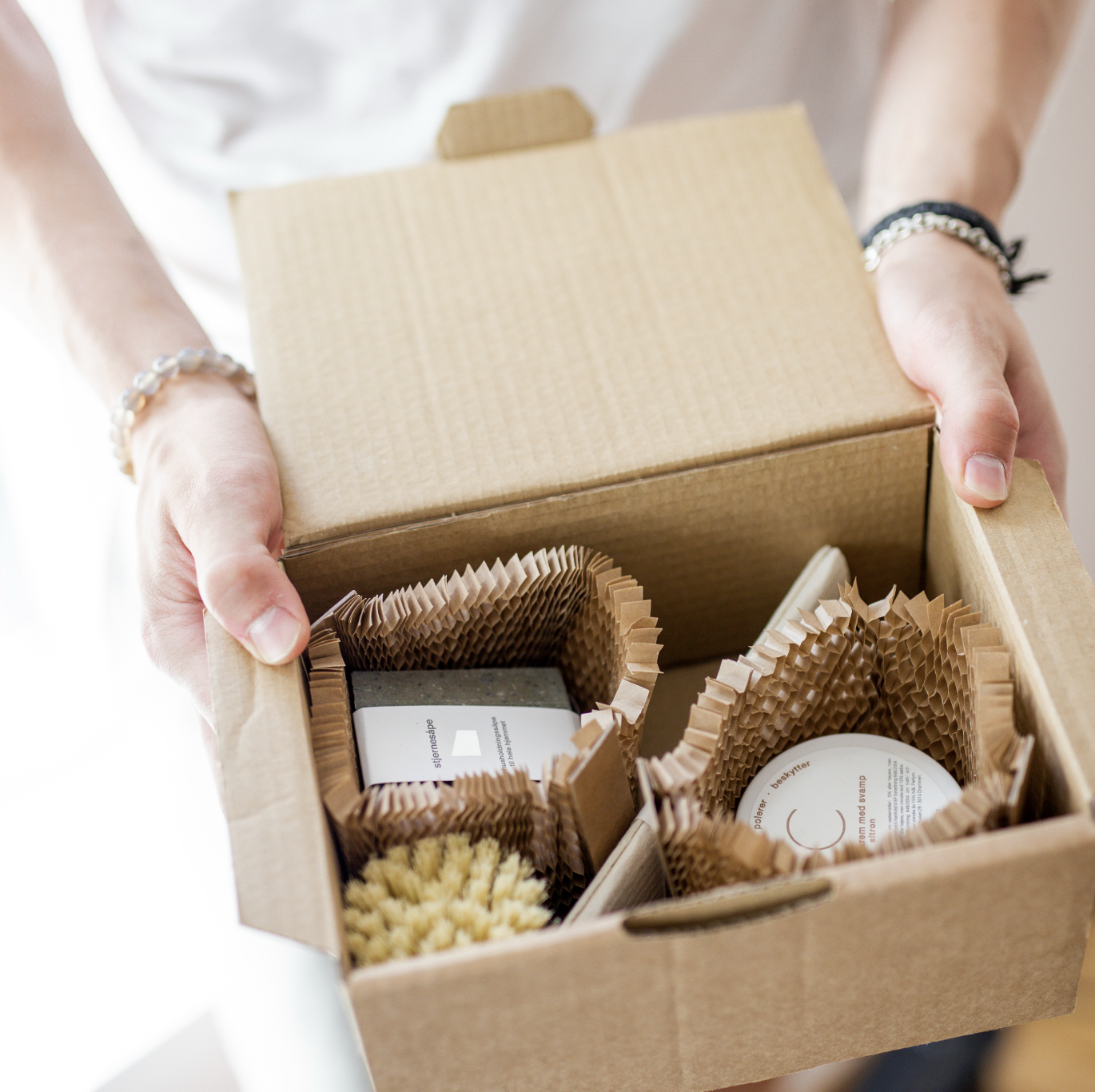
Right-sized doesn’t mean under-protected
A recent Packaging Insights article explores how e-commerce packaging is balancing material reduction, cost, operational demands and customer experience. One important qualification runs through the discussion: using less packaging must be balanced with reliable protection and performance.
For a business shipping fragile products, that distinction matters.
A box can be unnecessarily large. It can also be too tight to accommodate the protection your product needs. Removing cushioning might reduce material use, but it isn’t a useful improvement if it leaves a bottle, jar or handmade piece more exposed.
Start by asking what the packaging needs to achieve:
Cushion the product during handling
Keep fragile items separated
Limit movement inside the carton
Protect vulnerable features
Close securely
Remain practical to assemble and unpack
Then assess whether each component is helping.
The useful question isn’t “How much can we remove?” It’s “What does this product need, and is anything here doing an unnecessary job?”
Check the whole pack, not one component
A protective sleeve and a shipping box do different jobs. Neither should be assessed in isolation.
The industry discussion highlights this system-wide approach: packaging performance depends on how materials, closures, product combinations and packing processes work together.
For your business, that means reviewing the finished shipment.
Start with the product’s dimensions, filled weight and shape. Include closures, handles, lids or anything that changes how it sits in the pack.
Then check:
Does the protective material suit the product?
Does the outer carton accommodate the protected product properly?
Are the required inserts correctly positioned?
Can products move or come into contact?
Does the carton close without forcing or bulging?
Do gift cards, tasting notes or accessories interfere with the arrangement?
Flexi-Hex uses expandable honeycomb paper sleeves around the product. For shipping, the sleeve needs to work with an appropriate outer carton and any additional protection the application requires.
A sleeve that stretches around an item is a starting point, not confirmation that the complete pack is ready for transit.
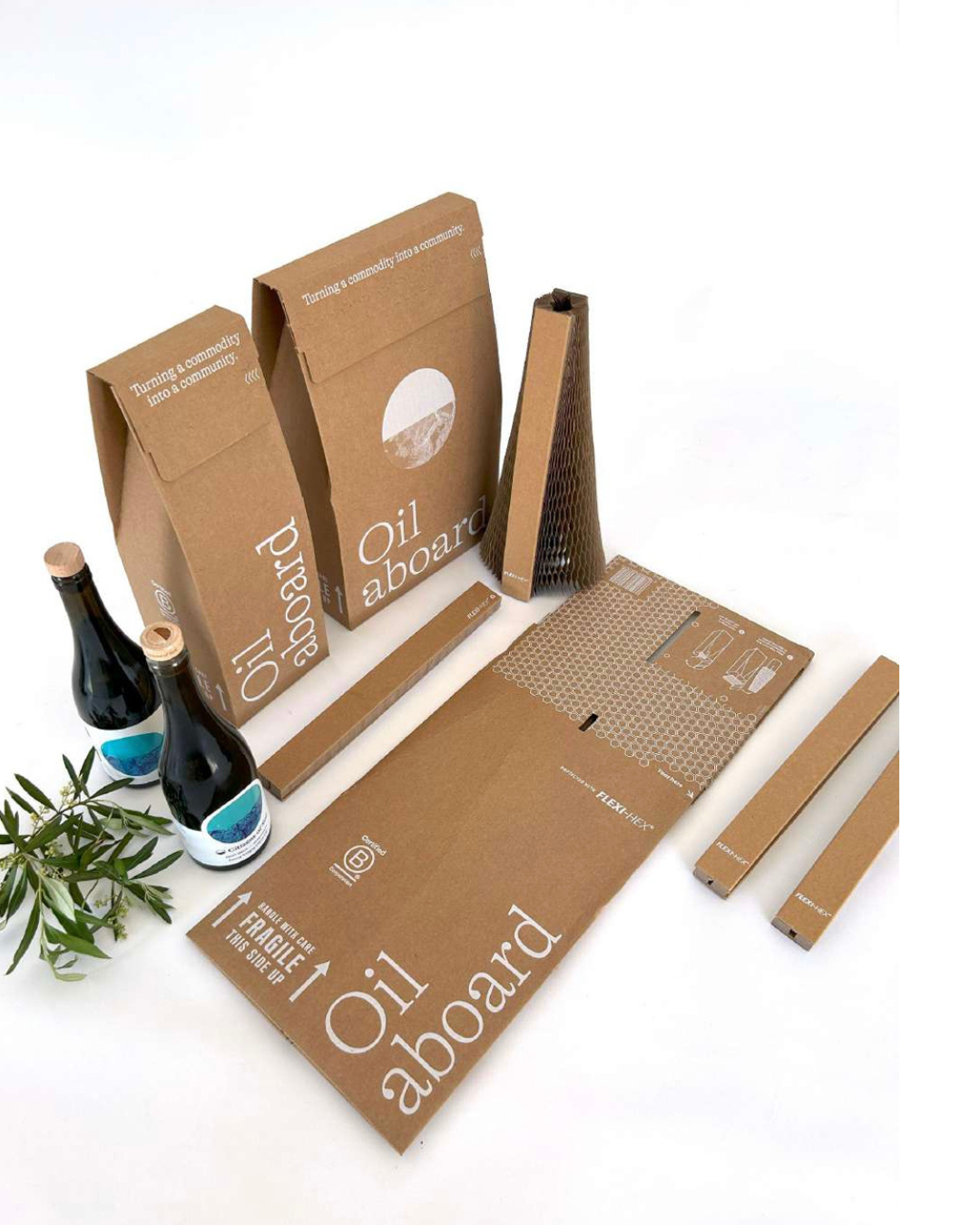
Review your regular order formats
One packaging arrangement may not suit every order.
A single bottle, a mixed three-bottle selection and a bottle-and-jar gift set are different packing jobs. So are a handleless tumbler and a ceramic mug.
List the formats you send most often. Record the products, quantities and any extras included.
For example:
One bottle with a tasting note
Two bottles with different profiles
A skincare set with several glass containers
A ceramic piece with a separate lid
A mixed gift with products of different weights
Build each format using the actual finished products.
This can help you identify where a standard arrangement works and where a separate solution is needed. It also gives you a clearer brief when talking to a packaging supplier.
You don’t need to solve every possible order immediately. Start with the one you pack most often.
Make it work at the packing bench
A pack can look excellent in a demonstration and still be awkward in your dispatch area.
Packaging Insights identifies floor space, order profiles, peak volumes and integration with existing fulfilment processes as important considerations when adopting right-sized packaging. It also emphasises testing under realistic operating conditions.
That applies just as much to a small winery or homeware studio as it does to a larger fulfilment operation.
Have the person who normally packs orders trial the proposed setup. Include the entire job:
Collecting the packaging components.
Assembling the carton and inserts.
Applying the protective packaging.
Adding documents or gift messages.
Closing and labelling the shipment.
Clearing the packing area.
Time several examples and note any repeated adjustments.
Can someone else follow the same method? Are components easy to identify? Does the pack need extra wrapping because the carton isn’t a good fit?
A short photo guide can make a suitable arrangement easier to repeat, particularly when someone else helps with dispatch.
Include storage in the comparison
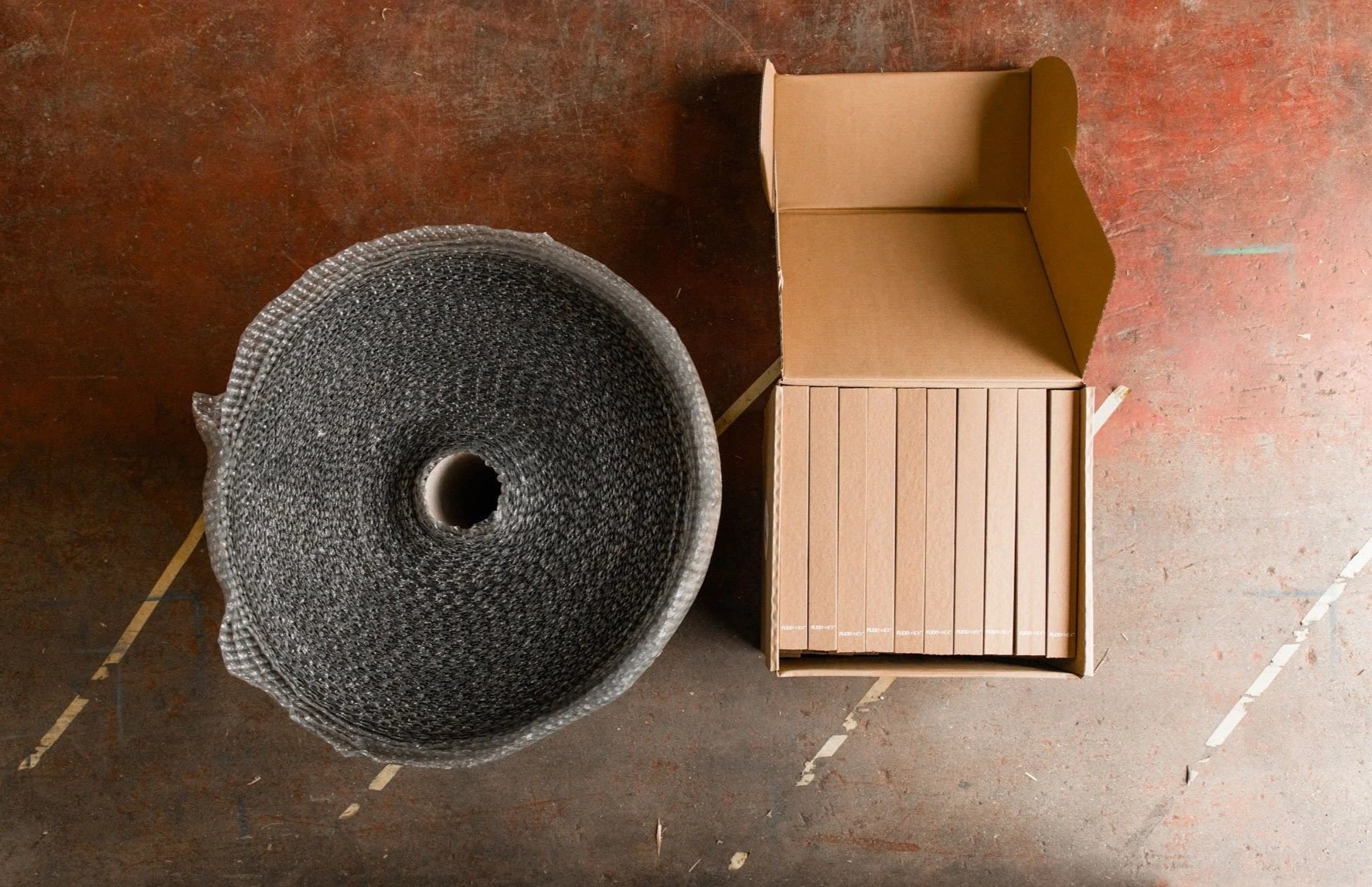
Packaging takes up room before an order is packed.
When assessing a new option, consider where the materials will live and how they’ll reach the packing bench.
Flexi-Hex sleeves store compactly before expansion. Woodhill’s purpose-designed bottle and surfboard boxes are supplied flat for assembly, making storage part of the practical comparison with your existing materials.
Look at the whole stockholding requirement:
Protective sleeves or wrapping
Outer cartons
Inserts and additional cushioning
Tape and branded materials
Completed orders waiting for collection
Keep enough within reach for normal packing, with a clear plan for replenishment.
Compact materials are useful, but an organised process matters too.
Be precise about material claims
“Made from recycled material” and “recyclable” answer different questions.
The first describes what went into the product. The second concerns what can happen after use.
The Packaging Insights article highlights the value of traceable evidence and assessing materials against the product, storage conditions and intended end-of-life route.
When comparing options, ask:
What is each component made from?
What proportion is recycled?
Which product does the claim apply to?
How should the recipient dispose of it?
What supports any certification or performance claim?
Keep those distinctions when communicating with your customers.
For example, Woodhill’s dedicated boardsports sleeve information specifies over 85% recycled paper pulp, while other Flexi-Hex products have different material specifications. Use the details for the product you’re actually buying rather than applying one figure across the range.
Check tape, liners, labels and decorative additions separately before describing an entire shipment as plastic-free or recyclable.
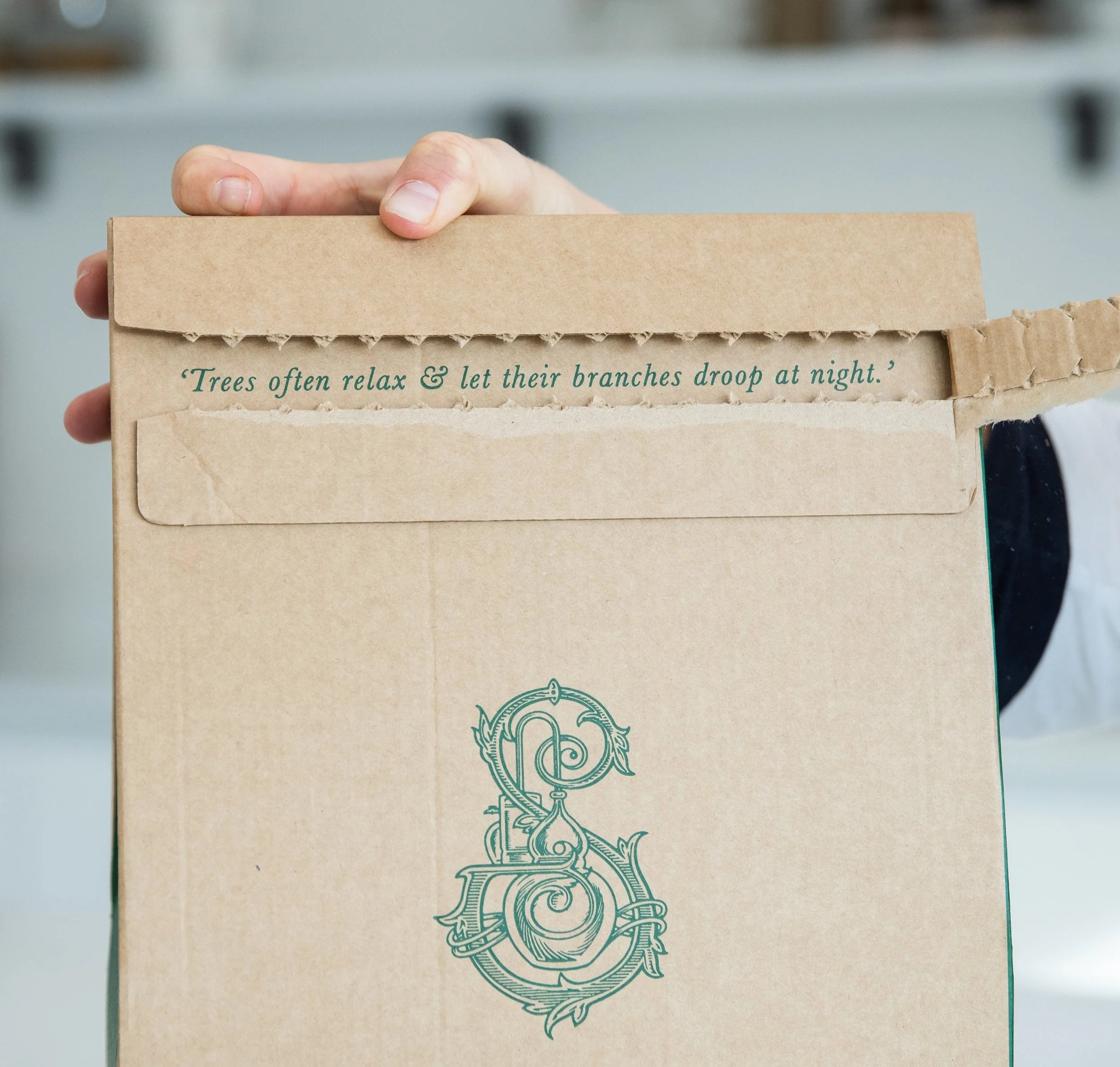
Consider presentation without adding unnecessary layers
A considered delivery doesn’t have to be elaborate.
It can mean the product is held securely, the gift message is easy to find and the packaging is straightforward to remove.
Flexi-Hex’s honeycomb paper structure provides a distinctive protective finish, giving brands an option that combines function with presentation.
Open your trial pack as your customer would.
Is the sequence clear? Can they remove the product without struggling? Are any added layers improving the experience, or simply creating more to unpack?
For trade samples, the priority may be clear identification and easy access. For a premium gift, presentation may carry more weight. The right balance depends on the shipment.
Trial one format before changing everything
Choose one regular order and build the complete pack.
Record the components, photograph the arrangement and compare the packing process with your current method. Then send a representative trial through your usual delivery service and inspect it on arrival.
Check for:
Product movement
Marks or damage
Shifted protective material
Carton or closure problems
Changes to the intended presentation
Difficulty opening or unpacking
Treat the result as useful feedback, not a guarantee against future damage. Different shapes, weights or delivery routes may need their own assessment. High-value or unusual products may also warrant more formal transit testing.
The aim is to make a considered change based on your products and operation — not simply to swap one material for another.
Find a pack that does the right amount of work
Better packaging isn’t necessarily the smallest box or the fewest components.
It’s a combination that suits the product, works for your team and avoids material that isn’t earning its place.
If you’re reviewing your current packaging, send Woodhill Distribution:
A photo of your product and existing pack
Product dimensions and weight
Your usual order combinations
What you’d like to improve, such as plastic use, storage or packing complexity
We can help identify a Flexi-Hex sleeve and outer-box option to assess with your actual products.
Start with one regular order. Check the fit, trial the process and build from there.
