
New Zealand's high-end honey is some of the most sought-after in the world — especially mānuka and specialty floral blends. You invest heavily in land, hives, extraction, and testing to prove what's already true: your honey is special.
But if the jar arrives chipped, sticky, or buried in plastic, that story can unravel in a single delivery. This is where a lot of honey brands are quietly losing ground. Packaging is still treated as a cost centre, not a core part of the product.
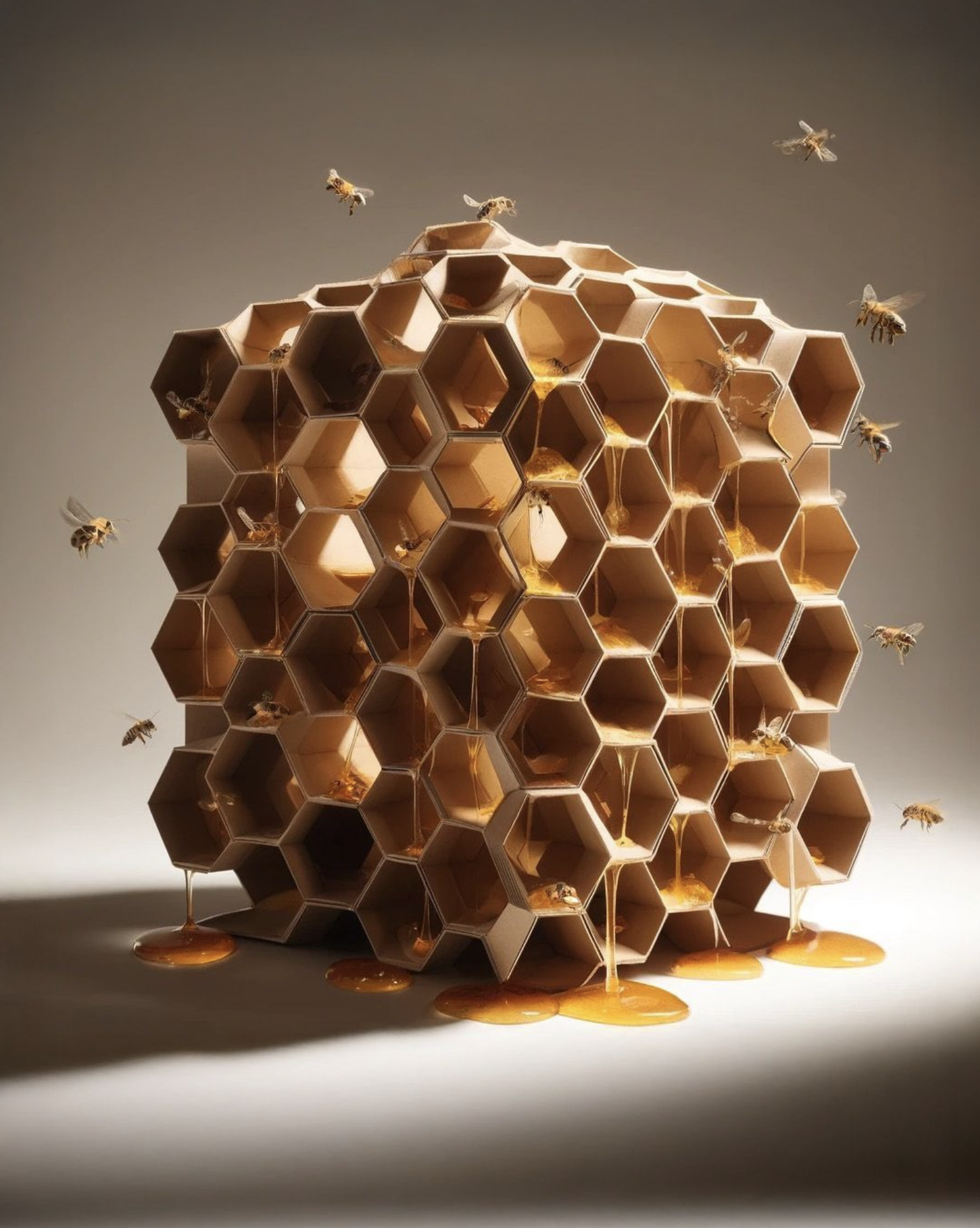
From remote bush to front door: where things go wrong
Most premium honey stories start in rugged, remote country — careful hive placement, seasonal flows, traceability back to individual sites. By the time your customer meets that story, all they physically touch is the jar and the box it arrived in.
When packaging is an afterthought, a few things tend to happen:
Jars knock together in transit, scuffing labels or cracking lids
Bulky bubble wrap and air pillows push up freight costs and feel at odds with a nature-based brand
Customers face a tangle of plastic at unboxing — frustrating to deal with, awkward to dispose of
For local e-commerce orders and export shipments, those small failures add up in replacement orders, support time, and quietly damaged brand perception.
The pressure is building
Across Aotearoa, packaging is under a spotlight. Retailers and logistics partners are pushing brands away from unnecessary plastic and towards simpler, kerbside-recyclable materials. Customers are more likely to notice when there's a mismatch between a "from the bush" story and plastic-heavy packaging.
For premium honey producers, that means:
Your export packaging is part of your sustainability proof — not just your farm or hive practices
Unboxing moments are being shared online, amplifying both good and bad experiences
Recyclable, low-waste packaging is shifting from nice-to-have to expected
The brands that get ahead of this will find it easier to hold shelf space, build loyalty, and justify premium pricing.
Why traditional honey packaging setups struggle
A typical premium honey shipping setup might look familiar: standard cartons, improvised dividers or cardboard offcuts, then bubble wrap filling the gaps. It feels safe because it's what your team knows.
Under the hood, it usually causes problems:
Inconsistent protection — jars can still move inside the shipper, especially when cartons aren't completely full
Higher freight costs — oversized cartons and void fill increase dimensional weight and reduce pallet efficiency
Operational friction — staff spend time tearing bubble wrap and improvising void fill instead of packing cleanly and consistently
And most importantly: the inside of the box doesn't look or feel like a premium honey experience — particularly when your customer has paid export-level prices.
A better option: honeycomb paper sleeves for jars
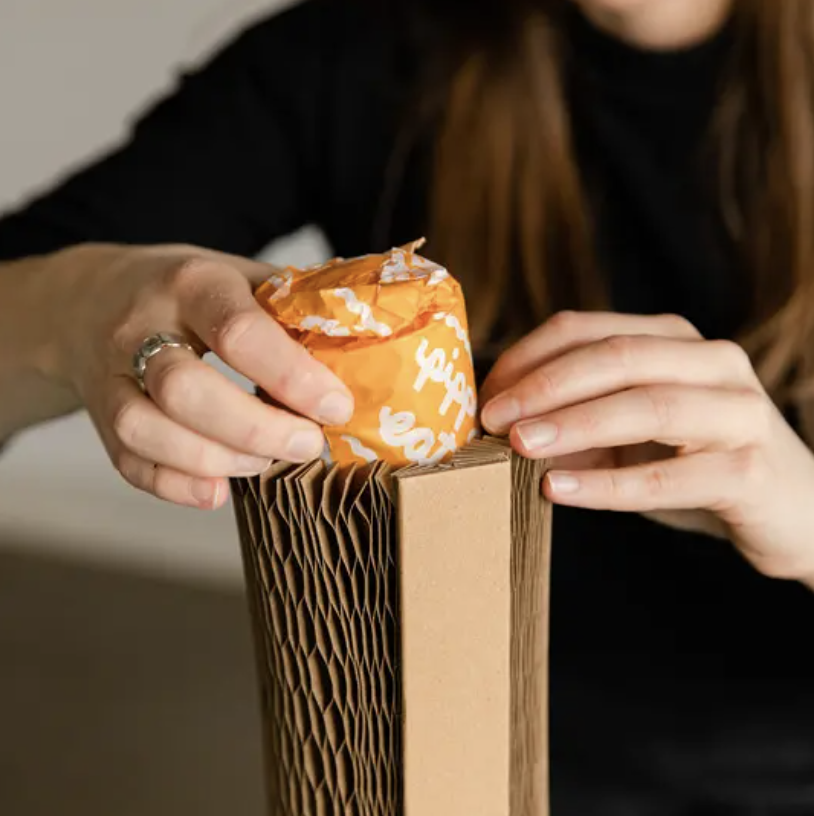
Across wine, spirits, and premium e-commerce, brands are moving to paper-based honeycomb sleeves that protect products in transit while cutting plastic. The same approach works extremely well for honey and specialty food jars.
Flexi-Hex is a patented honeycomb paper sleeve, supplied in New Zealand by Woodhill Distribution. It expands around a jar or bottle to create a strong, flexible shell, then slides into a simple outer carton.
For honey producers, that can mean:
Crush-resistant protection for glass jars and bottles through NZ courier networks and export lanes
A snug fit that separates and stabilises jars, reducing label damage and leaks
Plastic-free, kerbside-recyclable materials that fit neatly into your sustainability story
Because the sleeves store flat and adapt to different SKUs, they also reduce storage space and simplify packing compared with rolls of bubble wrap or multiple insert types.
Packaging as part of the honey story
When you treat packaging as part of your product — not just a protective layer — it opens up ways to differentiate. Small, intentional changes lift the whole experience.
With a honeycomb sleeve and a right-sized carton, you can:
Keep the inside of the box clean and minimal — one or two components instead of a tangle of plastic
Add a short harvest note or brand story inside the lid, reinforcing provenance and care
Make recycling straightforward with clearly kerbside-recyclable materials and simple instructions
The result is a jar that arrives intact, a box that's easy to deal with, and an experience that actually matches the landscape and work behind your honey.
How to trial better packaging without overhauling everything
You don't need to redesign your entire operation. Most of the wineries and distilleries we work with start small and scale once they can see the difference.
A low-risk trial looks like this:
Choose a priority SKU — a flagship mānuka or an export-only gift pack
Benchmark your current setup — note materials, packing time, damage claims and freight costs on a sample of orders
Run a live test — pack a set of orders using honeycomb sleeves and right-sized cartons through your usual couriers; include a few tough destinations
Gather feedback — ask your team how easy it was to pack, and look for any changes in damages, customer comments or freight charges
From there, you decide whether to expand to more SKUs, add branding to outers, or tie the packaging change into your wider sustainability communication.
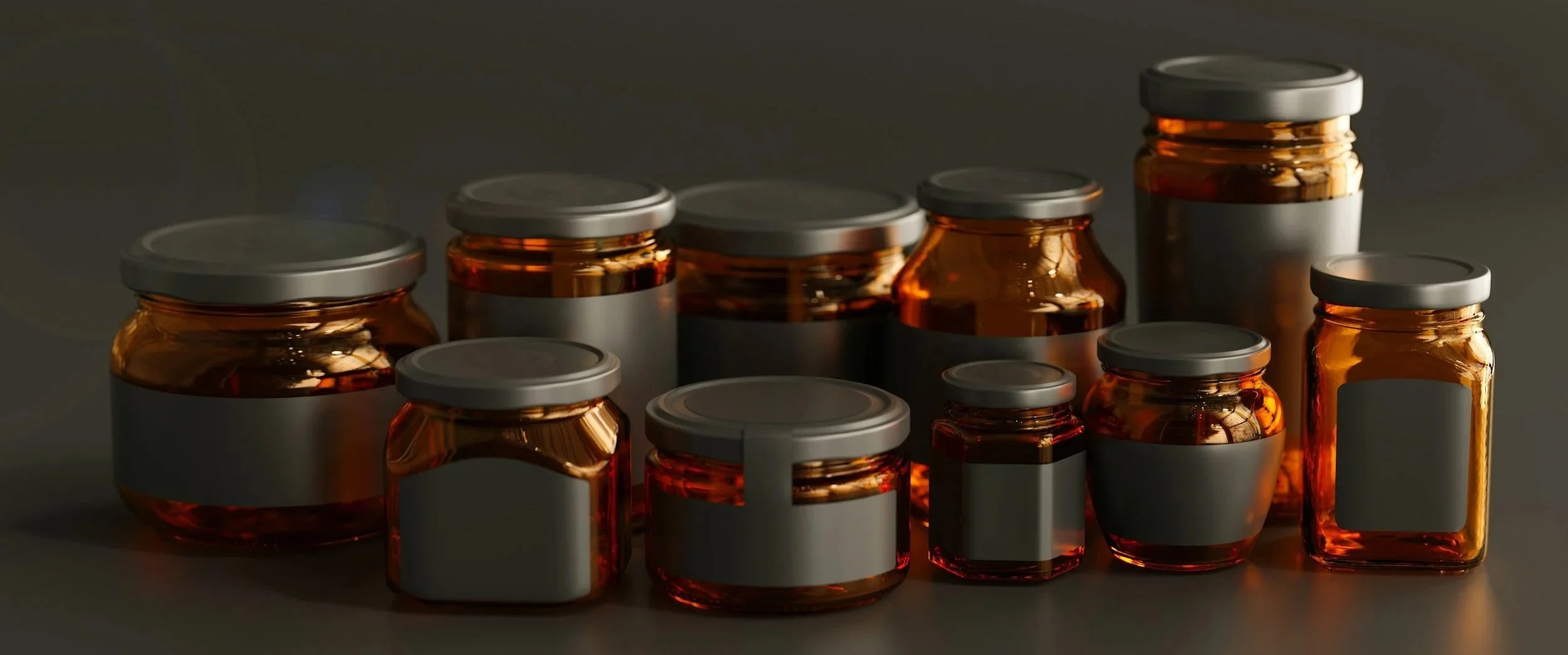
Ready to see how this could work for your honey range?
We help NZ brands protect fragile products in transit while moving away from plastic — from wineries and distilleries to premium food and honey producers. As the local distributor for Flexi-Hex, we can get you samples, talk through your SKUs, and put together a simple test plan without adding another complicated supplier relationship.
Curious whether honeycomb sleeves could work for your range? Get in touch to request a sample pack and a short, no-obligation packaging review. We'll walk you through options, indicative volumes, and a trial plan — so you can see how it performs in your own courier and export routes before making any big decisions.
