
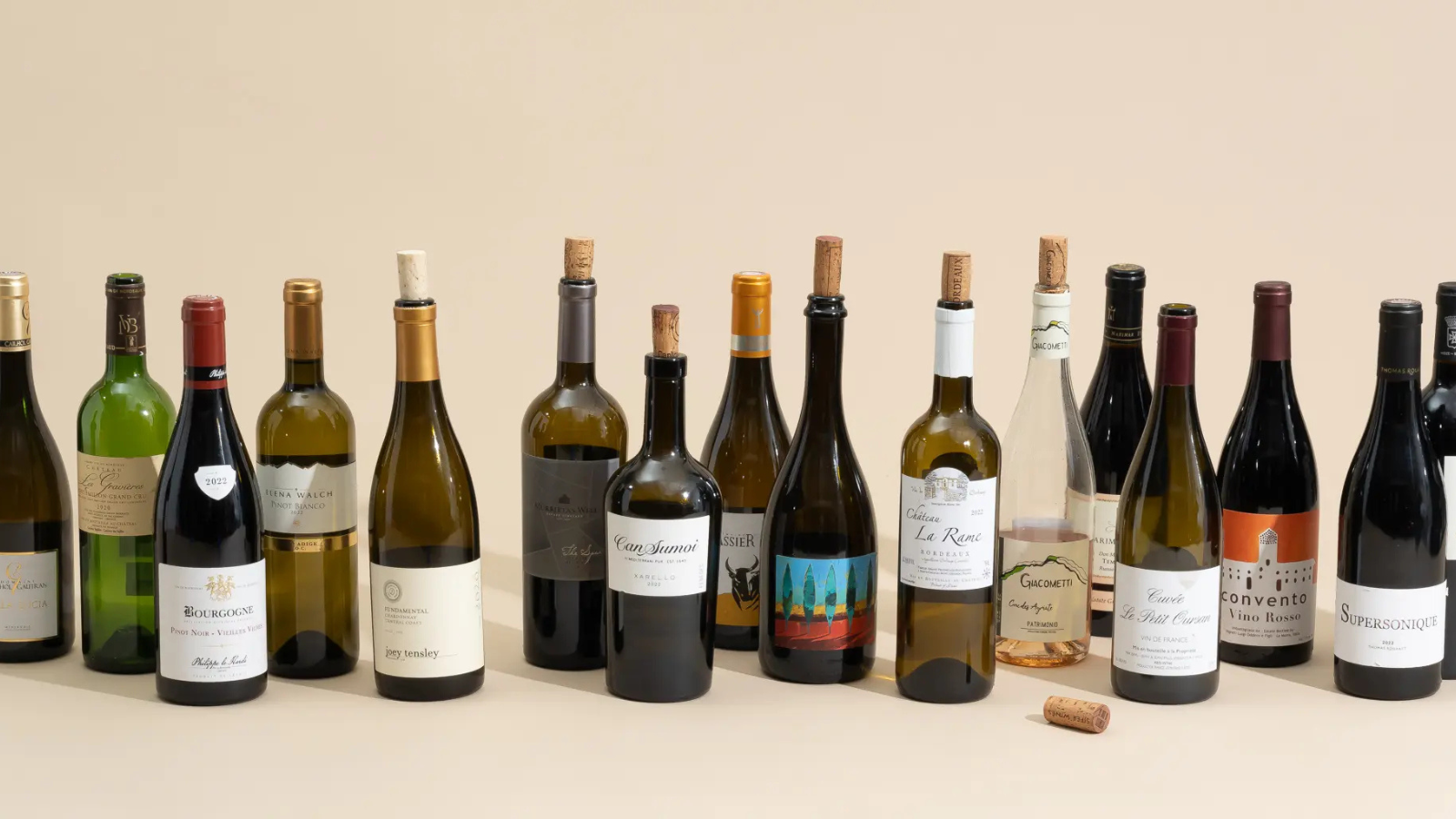
The wine club paradox
A wine club is one of the most loyal commercial relationships in retail. Members pay upfront, sometimes months in advance, for a product they haven't seen and won't taste until it arrives. Every shipment is a moment of truth — and every moment of truth is a chance to lose them.
Which makes packaging a much bigger lever than most operators give it credit for.
If a member opens a battered carton with a wine-stained cardboard divider and one of the bottles broken, you haven't just lost the wine. You've lost a quarter of a year's revenue from that customer, the cost of the resend, the freight on the resend, the hour your customer service person spent apologising — and a chunk of the brand equity you built up to get them to subscribe in the first place.
The good news: this is a fixable problem. The protective packaging side of wine club logistics has moved on a lot in the last five years, and the format options for recurring 1, 2 and 3-bottle shipments are genuinely fit for purpose now.
Here's what we're seeing work for Kiwi wine clubs and subscription brands.
What "doesn't disappoint" actually means
Premium wine subscription packaging has to do two jobs at once, and they pull in slightly different directions.
The first job is functional: the bottles arrive intact, every time, even when the courier slides the carton off the back of the truck onto a concrete loading bay. Damage rates above about 1% will quietly eat your margin. Damage rates above 3% will eat your retention.
The second job is experiential: when the box hits the doorstep, the unboxing should feel like the brand the member signed up for. Premium wine in plastic bubble wrap inside a brown carton with a polystyrene insert sends a very specific message — and it's not the one you want.
The packaging that works for wine clubs has to deliver both. Protection without the experience is a freight problem. Experience without the protection is a refund problem.
Five wine club packaging ideas worth stealing
A few practical principles we'd suggest before getting into specific formats.
Right-size by shipment, not by SKU. Wine clubs typically ship in fixed configurations — say, 2 bottles monthly, 6 bottles quarterly. Build your packaging around those configurations, not around generic "wine cartons." Right-sized packaging cuts volumetric freight charges and reduces the in-box movement that causes damage in the first place.
Make the outer carton a brand surface. Plain brown cartons are a missed opportunity. A printed outer — even one-colour — turns every doorstep delivery into a visible brand impression for the member's neighbours and flatmates. Cheap marketing that travels with the product.
Engineer the unboxing. A tear strip, a printed inner flap, a tasting note tucked under the first bottle — these are the small moves that make members photograph the box and post it. The packaging is the brand's cheapest shot at organic social content.
Choose materials that disappear gracefully. Over 60% of Kiwis say it matters that packaging can be recycled locally. If your member has to drive to a special drop-off or feel guilty about a polystyrene insert, the experience sours after the bottles are gone. Honeycomb paper sleeves, kerbside recyclable, reusable and home-compostable — that's a finish that doesn't cost the brand anything.
Make the second shipment as good as the first. Subscription members notice when the welcome pack is beautifully packaged and the second month's box is half-hearted. Whatever standard you set on shipment one, you need to hold for shipment 12.
Flexi-Hex formats for 1, 2 and 3-bottle wine club shipments
Flexi-Hex is a honeycomb paper sleeve that compresses to the shape of the bottle and absorbs impact through the honeycomb structure. It's 100% recycled paper, kerbside recyclable, reusable and home-compostable. For wine clubs, the relevant point is that it lets you ship in tight, branded outer cartons without polystyrene, plastic moulded inserts or air pillows — and it works at 1, 2 and 3-bottle scale.
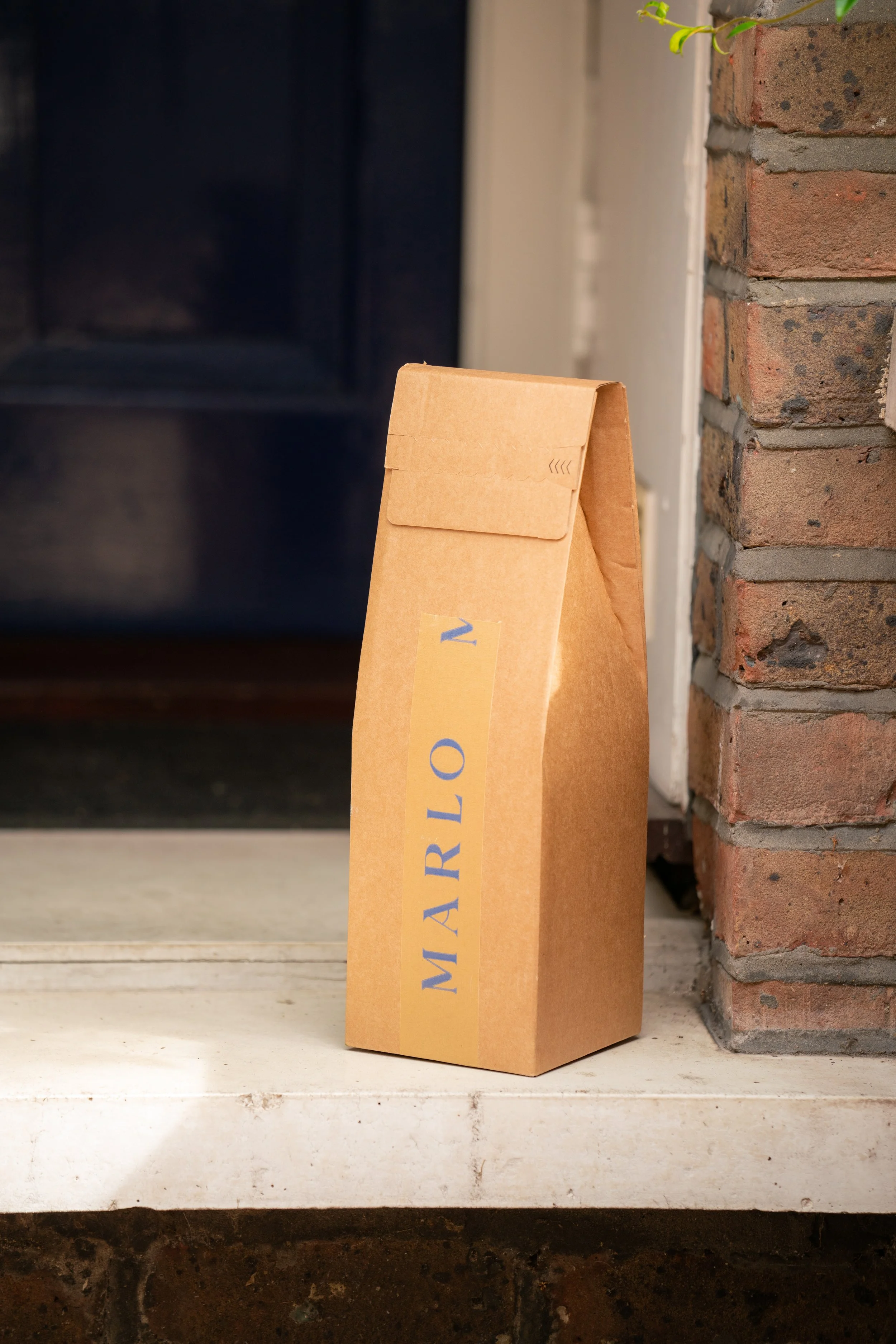
1-bottle: welcome packs, single-bottle tiers, gift-a-friend, reorders
A single-bottle Flexi-Hex sleeve fits a standard 750ml wine bottle and sits inside a slim mailer carton sized specifically for one bottle. It's the format we'd recommend for:
Welcome packs — the introductory bottle that ships before the first full subscription dispatch
Single-bottle subscription tiers — increasingly common at the premium end where the curation matters more than the volume
Gift-a-friend mechanics — sending one bottle to a referred contact as a sample
Replacement bottles — the resend after a damaged carton, where shipping a single bottle in a 6-bottle box looks careless
The footprint is small enough that a Kiwi courier treats it as a parcel rather than freight, which keeps the per-unit shipping cost down and protects the unit economics on what's often a marketing-led shipment.
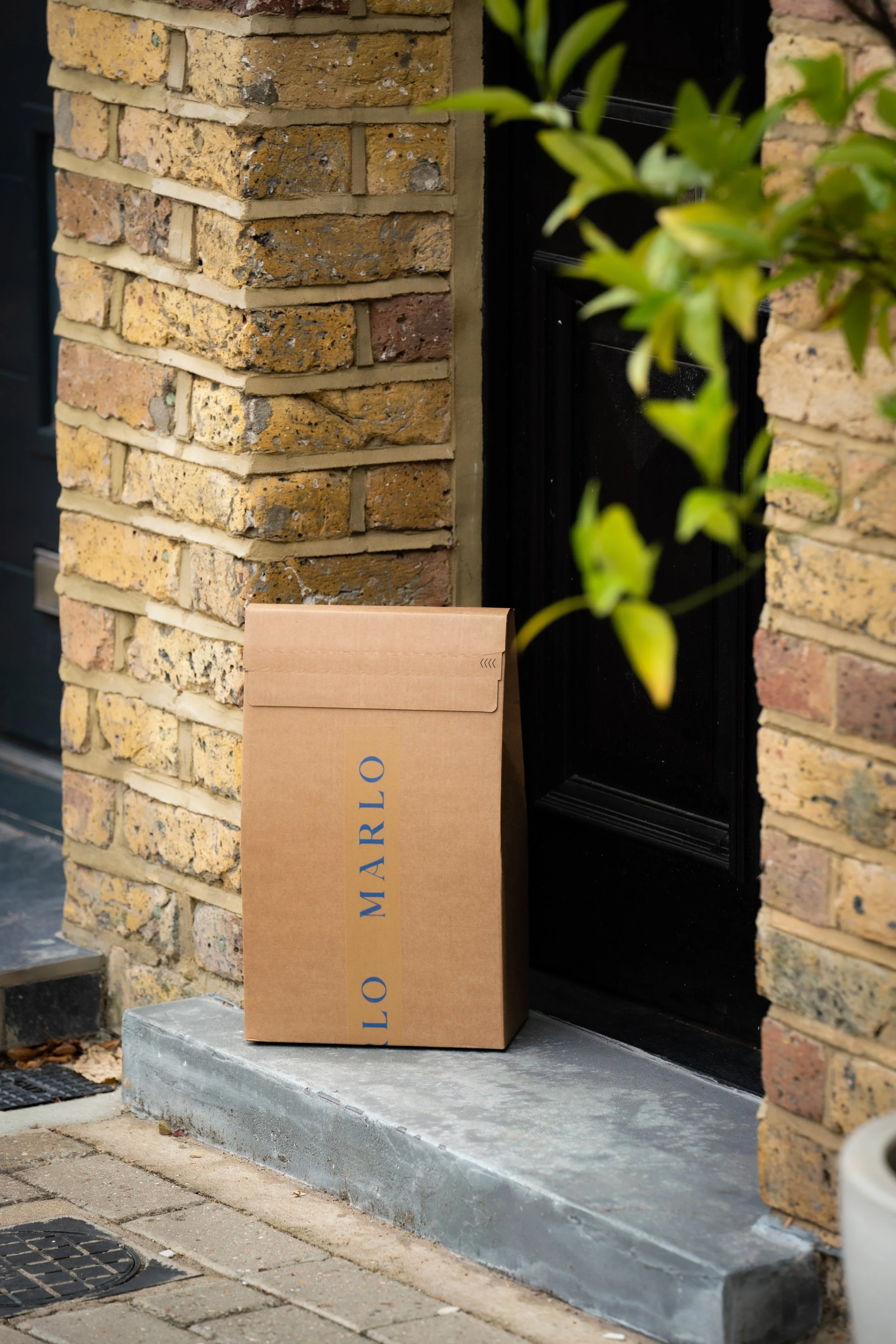
2-bottle: the workhorse subscription format
A 2-bottle Flexi-Hex pack is the most common monthly wine club configuration we see in NZ. It ships a curated red and white, two reds, or two whites in a side-by-side carton with each bottle in its own honeycomb sleeve.
What makes this format work for recurring shipments:
Tight outer dimensions keep volumetric freight charges down on every monthly cycle
Sleeves nest inside the carton with no void fill — no air pillows, no shredded paper, no foam
The carton holds its shape on the second and third use — members who keep their cartons (and many do, for kitchen storage or re-gifting) get a useful second life out of it
Print real estate on the outer is large enough for a clean brand panel without dominating the carton
For wine clubs running fortnightly or monthly cycles, the 2-bottle format is usually where the maths work best — frequent enough to drive engagement, small enough to keep freight reasonable.
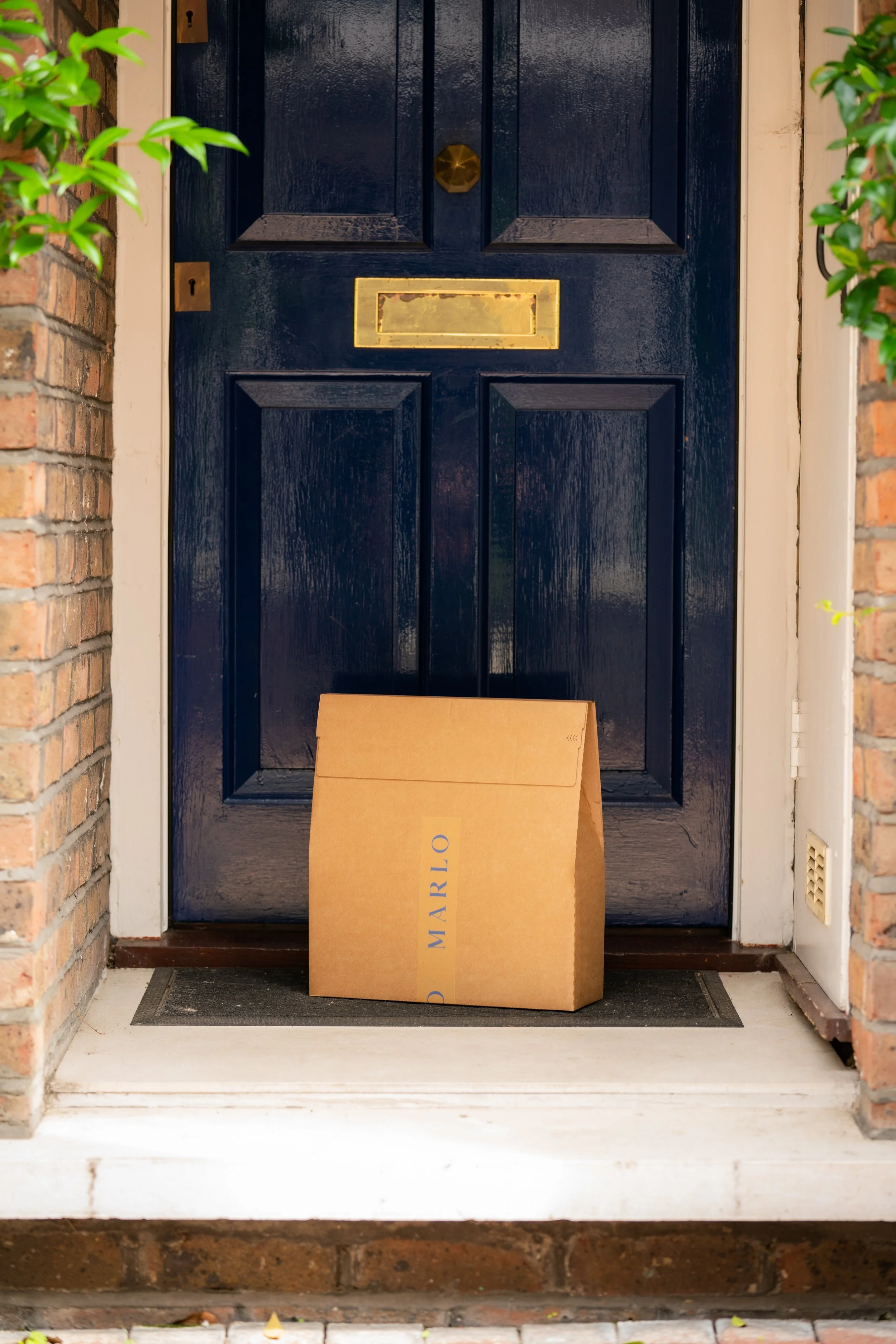
3-bottle: discovery tiers, quarterly drops, premium curation
A 3-bottle Flexi-Hex format fits a vertical or horizontal carton holding three sleeved bottles. It's the format we'd recommend for:
Discovery and curation tiers where the member is paying for the editorial decision-making — a vertical of one producer, a regional flight, a varietal exploration
Quarterly subscription drops that go bigger and less frequent than the monthly format
Premium and reserve tiers where the per-bottle price justifies a more substantial unboxing
Mixed dozens broken into staged shipments — a way of giving members a "drop" cadence without quarterly bulk
The 3-bottle carton is heavier — typically 4–5kg shipped — so freight cost per parcel is higher, but cost per bottle drops compared to single-bottle dispatch. For wine clubs at the premium end, the experience uplift from a 3-bottle drop usually justifies the format.
Why this matters for recurring shipments specifically
Wine club packaging isn't a one-shot decision. You're committing to ship the same configuration to the same member every month, every quarter, for years. Three things follow from that.
Consistency is the brand. Whatever the first dispatch looks like, every subsequent dispatch needs to look the same. Cheap packaging compounds — every shipment is another reminder that the brand cut corners. Premium packaging compounds the same way, in the opposite direction.
Fulfilment speed matters more than people think. Honeycomb sleeves are faster to pack than wrapping bottles individually in tissue, faster than cutting custom dividers, and faster than pillow-fill machines. On a monthly dispatch of 500 boxes, even 20 seconds saved per box is meaningful.
Returns and resends are part of the model. Damage rates are never zero. The packaging that's quickest to repack — and cheapest to ship as a one-off replacement — protects the unit economics of the resend. The 1-bottle Flexi-Hex format earns its place largely because of this.
The business case for getting this right
A wine club's lifetime customer value is unusually sensitive to packaging quality, because every member experiences the packaging every cycle. A 1% reduction in damage rate, a 5% reduction in volumetric freight, a 10% lift in the proportion of members who post their unboxing — these aren't soft metrics. They show up in retention, freight cost per dispatch and acquisition cost.
If you're running a wine club in Aotearoa and you'd like to talk through the format that fits your dispatch profile, freight rates and brand position — that's the conversation we like having.
Woodhill Distribution is the NZ distributor for Flexi-Hex protective packaging. We carry 1, 2 and 3-bottle wine pack formats in stock locally.
